
Beautiful Plants For Your Interior
Beautiful Plants For Your Interior
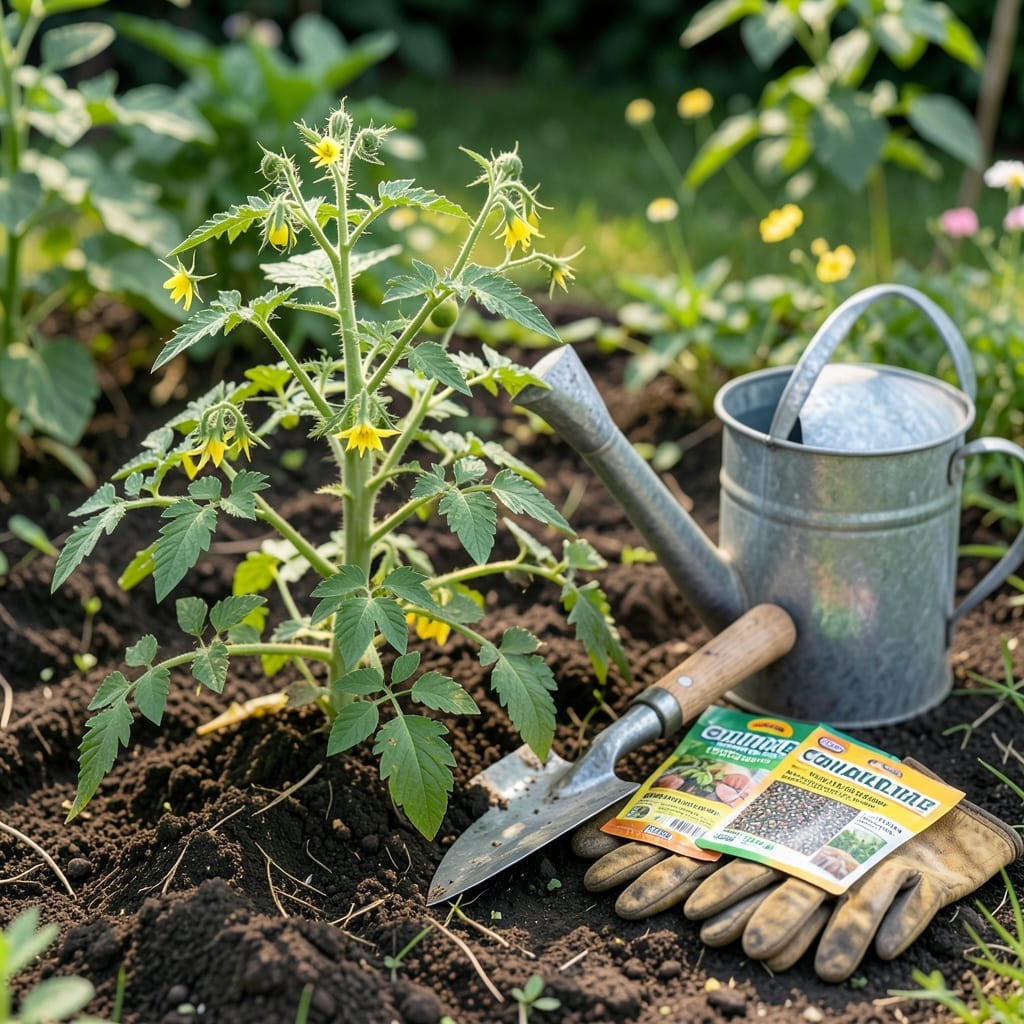
Timing is everything when growing Vegetables in Zone 6, where a single frost can derail weeks of hard work. I’ve learned the hard way that planting too early—or too late—can leave you with empty beds instead of a bountiful harvest.
Zone 6 gardeners have two prime windows: spring and fall. Knowing when to start each crop means the difference between struggling seedlings and thriving Vegetables.
This guide will walk you through the exact schedule I use, from frost dates to soil temps, so you can plant with confidence. No more guessing games.
Discover how to align your planting calendar with nature’s rhythm and fill your table with homegrown produce all season long.
In USDA Zone 6, the last frost date typically falls around April 15, while the first frost arrives near October 15. This gives you a 180-day growing season to work with.
I always start cool-season crops like peas and spinach about 4-6 weeks before the last frost. These hardy plants can even handle light frosts.
| Vegetable Type | Planting Window | Soil Temp |
|---|---|---|
| Peas | March-April | 40-75°F |
| Lettuce | March-May | 40-80°F |
| Tomatoes | May-June | 60-85°F |
| Carrots | August-September | 45-85°F |
| Kale | August-September | 40-80°F |
For warm-season crops like tomatoes and peppers, I wait until after the last frost when soil temps reach 60°F. Planting too early can stunt growth.
In fall, I plant fast-growing crops like radishes and spinach about 6-8 weeks before the first frost. This ensures they mature before cold weather hits.
Soil temperature is just as important as air temperature. I use a soil thermometer to check conditions. Most seeds need 50-85°F to germinate properly.
I’ve found that succession planting works well in Zone 6. After harvesting early lettuce, I immediately plant bush beans to maximize space and yield.
Don’t forget about soil preparation. I always add compost before planting to give my vegetables the best start. Healthy soil means healthier plants.
For extended harvests, I use row covers in early spring and late fall. These protect plants from unexpected frosts while still allowing sunlight and water through.
Remember that microclimates in your yard can affect planting times. South-facing spots warm up faster, while low areas may stay cooler and wetter.
By following these Zone 6 planting guidelines, I consistently get bountiful harvests from spring through fall. The key is paying attention to both temperature and timing.
🌱In Zone 6, I’ve found that cool-season crops like spinach and kale thrive when planted 4-6 weeks before the last frost, typically in early spring or late summer for a fall harvest.
For warm-season vegetables such as tomatoes and peppers, I always wait until after the last frost date (around April 15) when the soil has warmed up to at least 60°F.
I’ve had great success with fast-growing varieties like radishes and bush beans, which can go from seed to harvest in as little as 30-40 days. These are perfect for squeezing in an extra crop.
For fall planting, I recommend counting backward from the first frost date (around October 15). Cool-season crops like beets and Swiss chard can handle light frosts and even taste sweeter after a chill.
Don’t forget about succession planting! I plant new batches of lettuce and spinach every 2-3 weeks to ensure a continuous harvest throughout the growing season.
With the right timing and variety selection, you can enjoy fresh homegrown vegetables from early spring through late fall in Zone 6. 🌱