
Beautiful Plants For Your Interior
Beautiful Plants For Your Interior
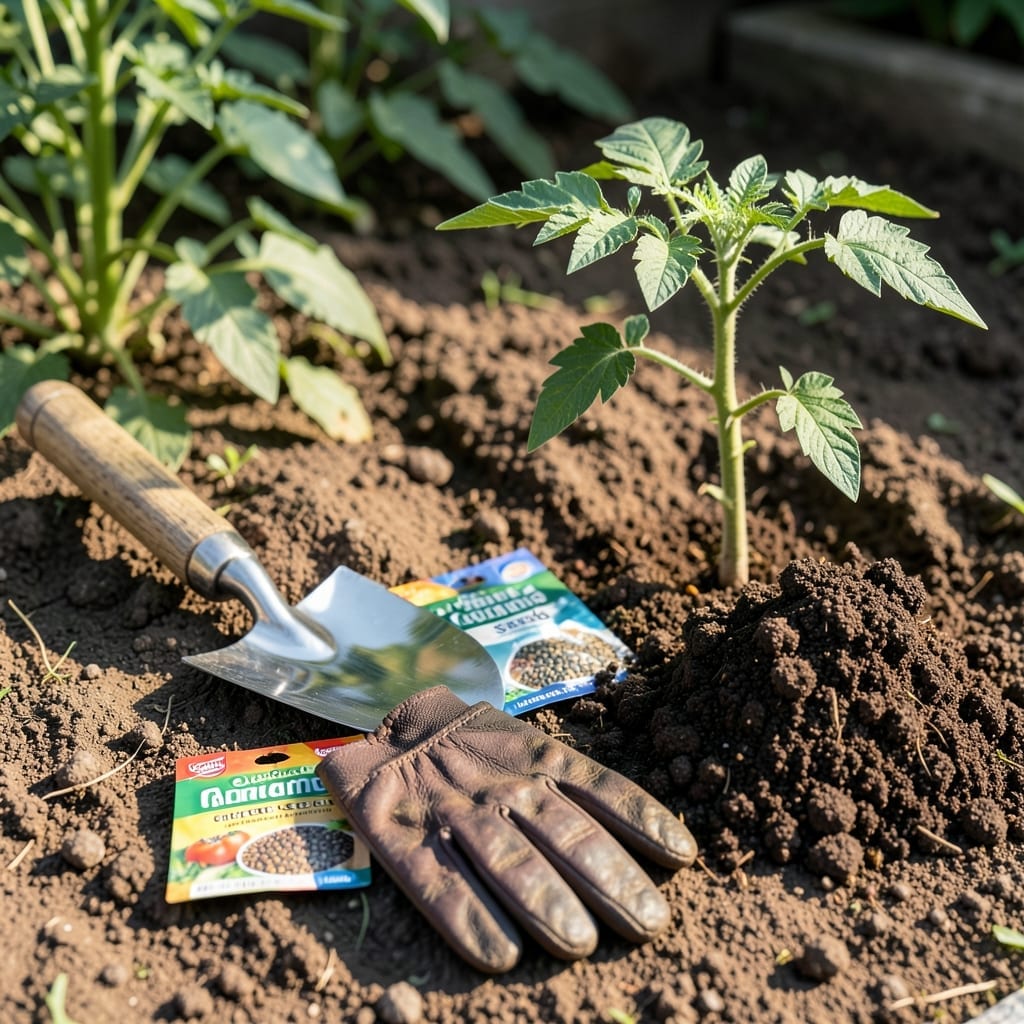
Timing is everything when you’re working with the unpredictable springs of Zone 5. One early frost can wipe out weeks of effort, while perfect timing leads to a garden bursting with fresh vegetables all season long.
I’ve learned the hard way that knowing your planting windows is the difference between success and disappointment. The 🥕 Vegetables you love have specific needs that change with the seasons.
From cool-season crops that thrive in early spring to warm-weather favorites that need that last frost to pass, there’s a science to getting it right. And I’m here to share exactly how to make it work for your garden.
Discover the simple but crucial timing secrets that will transform your growing season. Let’s get your Vegetables in the ground at just the right moment.
In USDA Zone 5, timing your vegetable planting around frost dates is crucial. The last frost typically hits around April 15, while the first frost arrives near October 15. This gives you about 180 frost-free days for growing.
I divide my planting into cool-season and warm-season crops. Cool-season veggies thrive in lower temperatures and can often tolerate light frosts, making them perfect for early spring or fall planting.
| Vegetable Type | Planting Window | Soil Temp | Examples |
| Cool-Season | March-April or August-September | 40-75°F | Peas, Lettuce, Spinach |
| Warm-Season | May-June | 70-85°F | Tomatoes, Peppers, Cucumbers |
For cool-season vegetables, I start peas and spinach as soon as the soil is workable in early spring. These can often be direct-sown 4-6 weeks before the last frost date.
Lettuce and kale are other great choices for early planting. They grow well in cooler temperatures and can be harvested before the heat of summer sets in.
When soil temperatures reach about 60°F, it’s time to plant warm-season crops. Tomatoes, peppers, and beans need warmer soil to germinate properly and grow strong.
I always use a soil thermometer to check conditions. If the soil is still too cold, seeds may rot or fail to sprout. Waiting for the right temperature saves time and frustration.
For fall planting, I count backward from the first frost date. Broccoli and cabbage need about 60-80 days to mature, so I plant them in late summer for a fall harvest.
Remember, microclimates can affect planting times. A south-facing wall or urban area might warm up faster than a shady garden spot. Adjust your schedule based on your specific conditions.
Using row covers or cold frames can extend your growing season by a few weeks. These protect young plants from late frosts and allow for earlier planting of warm-season crops. 🌱
In Zone 5, I love getting a head start with cold-hardy vegetables that thrive in cool spring temperatures. These early plantings can survive light frosts and give you a jump on harvests before summer heat arrives.
My favorites include peas, spinach, and kale, which actually taste sweeter after a light frost. They establish strong root systems in the cool, moist soil of early spring.
I always prepare my soil with compost before planting these early crops. This improves drainage and provides essential nutrients for strong growth in cool conditions.
For the best results, I use row covers to protect young plants from late frost. This simple step can extend your growing season by 2-3 weeks in early spring.
These 5 vegetables are my go-to choices for early Zone 5 planting. They’re forgiving, productive, and give me fresh produce before most gardens are even started 🌱