
Beautiful Plants For Your Interior
Beautiful Plants For Your Interior
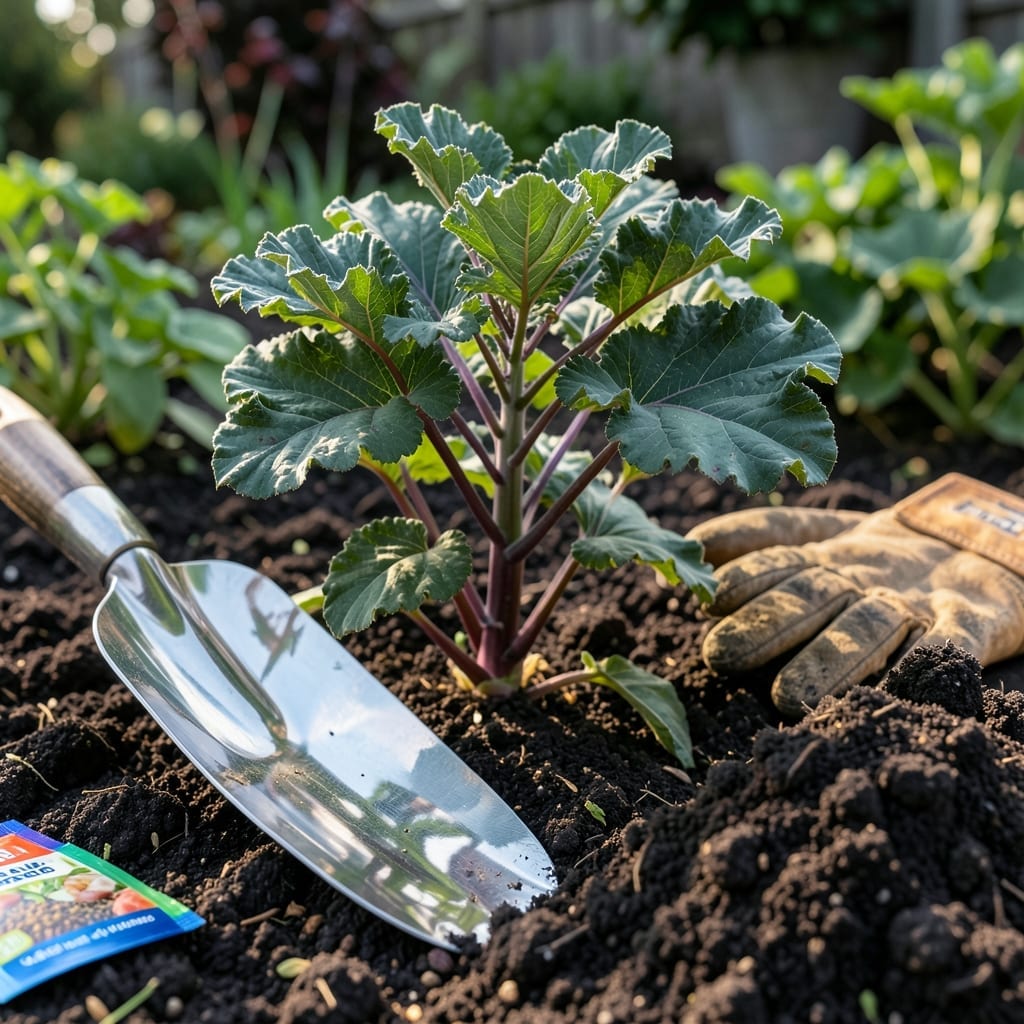
Gardening in Zone 3 feels like racing against the calendar with its famously short season. But here’s the good news: with precise timing, you can still coax an impressive harvest from your 🥕 Vegetables.
I’ve learned that missing the planting window by even a week can mean the difference between a thriving garden and a disappointing one. The key is understanding your frost dates and soil temperatures.
What if I told you there’s a simple way to maximize your growing days? By focusing on cold-hardy varieties and strategic planting, you can outsmart Mother Nature.
Discover the exact windows that work for Zone 3‘s unique climate. Your most productive growing season starts with this knowledge.
Gardening in Zone 3 means working with a short growing season and cold winters. I’ve found that timing is everything—plant too early, and frost can kill your crops. Wait too long, and you’ll miss the window for a good harvest.
In Zone 3, the last frost date is typically around May 15, with the first frost arriving as early as September 15. This gives you roughly 120 frost-free days to grow your vegetables.
| Season | Task | Vegetables | Timing |
|---|---|---|---|
| Early Spring | Start Indoors | Broccoli, Cabbage | 6-8 weeks before last frost |
| Late Spring | Direct Sow | Peas, Spinach, Radishes | 2-4 weeks before last frost |
| Early Summer | Transplant | Tomatoes, Peppers | After last frost, soil warmed |
| Mid Summer | Direct Sow | Beets, Carrots, Lettuce | June to early July |
| Late Summer | Plant for Fall | Kale, Turnips | 6-8 weeks before first frost |
For cool-season vegetables like peas and spinach, I start sowing directly into the garden 2-4 weeks before the last frost. These hardy plants can tolerate light frosts and even thrive in cooler soil.
Once the soil temperature reaches at least 60°F, I transplant warm-season crops like tomatoes and peppers. Using black plastic mulch can help warm the soil faster in spring.
Don’t forget about succession planting. In Zone 3, I sow radishes and lettuce every 2-3 weeks for a continuous harvest. This method ensures I always have fresh greens ready.
For a fall harvest, I plant kale and turnips in late summer. These crops can handle light frosts and even taste sweeter after a cold snap.
I always keep a garden journal to track planting dates and harvest times. This helps me adjust my schedule year to year based on weather patterns.
Remember, microclimates can vary even within Zone 3. Areas near buildings or fences may warm up faster in spring, allowing for earlier planting.
With careful planning and these timing tips, you can maximize your Zone 3 vegetable garden and enjoy a productive harvest despite the challenges of a shorter growing season 🌱
Zone 3 gardeners need vegetables that can handle cold soil and short seasons. I’ve found that focusing on quick-maturing and frost-tolerant varieties makes all the difference in achieving a successful harvest.
Some of the most reliable performers in my Zone 3 garden include kale, peas, and radishes. These can often be planted as soon as the soil is workable in spring.
For these cold-hardy vegetables, I always start seeds indoors about 4-6 weeks before the last frost date. This gives them a head start when transplanted outside.
Don’t overlook fall planting either. Many of these same vegetables can produce a second harvest when planted in late summer for a fall crop.
Remember that soil temperature is just as important as air temperature. Most seeds need at least 40°F soil to germinate properly in Zone 3. ☀️
By selecting these proven performers and timing your plantings carefully, you’ll maximize your growing season and enjoy fresh vegetables despite the challenges of Zone 3. 🌱