
Beautiful Plants For Your Interior
Beautiful Plants For Your Interior
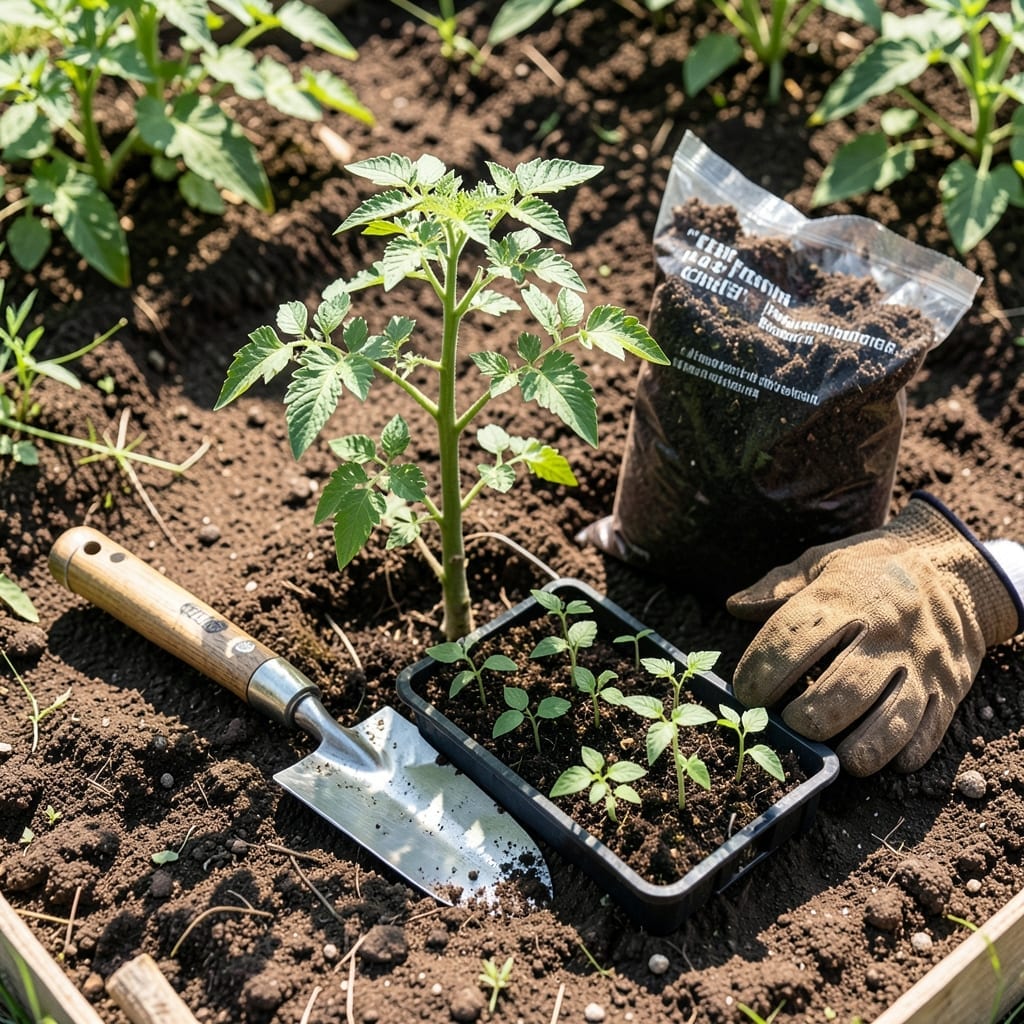
Western North Carolina’s unique climate offers gardeners distinct planting windows that can make or break your vegetable harvest. Timing is everything when it comes to maximizing yield and avoiding frost damage.
I’ve learned that planting too early or too late can sabotage your efforts. In our 7a zone, the 🥕 Vegetables thrive when you align with nature’s rhythm, not against it.
Whether you’re a seasoned gardener or just starting out, knowing the best times to plant can transform your garden from struggling to flourishing.
Discover how to work with Western NC’s seasons to get the most from your vegetable garden this year.
Western NC’s 7a zone gives us a 180-day growing season, but elevation changes everything. Lower areas warm faster than mountain tops, so I always check local frost dates before planting. 🌱
Our last frost hits around April 15, while the first frost arrives near October 15. This window is perfect for both cool-season and warm-season crops, if timed right. ☀️
| Season | Crops | Planting Time |
|---|---|---|
| Early Spring | Peas, Lettuce, Spinach | March 1-15 |
| Late Spring | Beans, Cucumbers, Squash | April 15-May 1 |
| Summer | Tomatoes, Peppers, Corn | May 15-June 1 |
| Fall | Kale, Carrots, Broccoli | August 15-Sept 1 |
For cool-season crops like lettuce and peas, I start 4-6 weeks before the last frost. These thrive in 50-60°F soil, so early March works well in most areas. 🌿
Warm-season plants like tomatoes and peppers need 60°F+ soil. I wait until mid-May in higher elevations to avoid stunting their growth.
Our fall planting window is just as crucial. I plant kale and carrots in late August to harvest before the first frost. This extends my growing season beautifully.
Soil temperature is key. I use a soil thermometer to check before planting. If it’s below 50°F, I hold off on warm-season crops. ✂️
Elevation affects timing too. In Asheville (2,000 ft), I plant earlier than in Boone (3,300 ft), where frost lingers longer. Always adjust for your specific microclimate.
For succession planting, I sow bush beans every 2 weeks from May to July. This keeps my harvest continuous rather than all at once.
Remember, these are guidelines. I’ve found that local weather patterns can shift dates by a week or two. Watch the forecast and be ready to adapt. 🌱
Western NC’s growing season spans from March to October, but each month favors different crops. I’ve found that early spring is perfect for cool-season vegetables that tolerate frost. 🌱
As the soil warms, I transition to warm-season plants that need consistent heat. Timing these right ensures a bountiful harvest without stress. ☀️
In March, I focus on peas and leafy greens. These thrive in cool temperatures and can even handle light frosts, making them ideal for early starts. 🌿
By May, the soil is warm enough for tomatoes and peppers. I always wait until after the last frost date to avoid losing tender plants to a late cold snap.
June is perfect for squash and corn, which need warm soil and plenty of sun. I plant these in well-draining beds to prevent waterlogging.
For fall crops, I start kale and broccoli in August. These grow quickly in the cooling weather and can often survive light frosts, extending the harvest.
I always adjust my planting schedule based on local microclimates. Higher elevations may need a delayed start, while lower areas can plant earlier. Know your specific conditions for best results. ✂️