
Beautiful Plants For Your Interior
Beautiful Plants For Your Interior
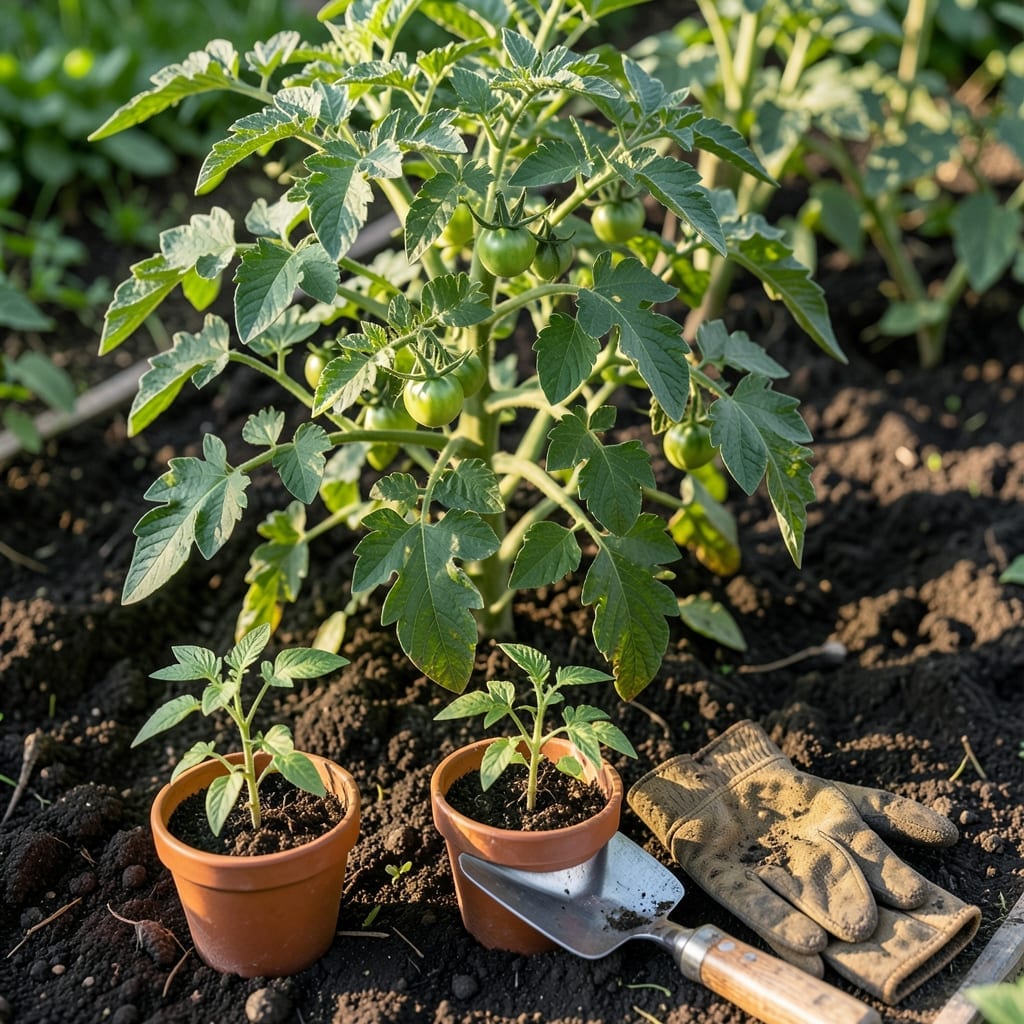
Timing is everything when planting Vegetables in Virginia, where unpredictable frosts can make or break your garden. I’ve seen too many gardeners lose their crops by jumping the gun on planting.
In 2012, Virginia’s climate presented unique challenges that required careful planning. The key was aligning planting schedules with the state’s frost dates to avoid disaster.
Whether you’re a seasoned gardener or just starting out, understanding these windows is crucial. I’ll show you exactly when to get those Vegetables in the ground for maximum success.
Discover the most important planting periods that worked in 2012, and how to apply these lessons to your garden today. Let’s dig in.
Virginia’s diverse climate means frost dates vary significantly from the Eastern Shore to the Mountain regions. In 2012, gardeners needed to align planting with these regional differences to avoid frost damage.
For the Piedmont region, the last frost date typically fell around April 15, while the Eastern Shore saw its last frost closer to March 28. Mountain areas often waited until May 1 for safe planting.
| Region | Last Frost 2012 | First Frost 2012 | Safe Planting Window |
|---|---|---|---|
| Eastern Shore | March 28 | November 10 | April 1 – October 15 |
| Piedmont | April 15 | October 25 | April 22 – October 10 |
| Mountains | May 1 | October 1 | May 8 – September 20 |
In 2012, Virginia experienced a milder winter, which shifted some frost dates earlier than average. This allowed for an extended growing season in many areas, particularly for cool-season crops like lettuce and spinach.
Cool-season vegetables such as kale and peas thrived when planted 4-6 weeks before the last frost. For the Piedmont, this meant seeding as early as March 1 for a robust spring harvest.
For warm-season crops like tomatoes and peppers, waiting until soil temperatures reached at least 60°F was critical. In 2012, this typically occurred 2-3 weeks after the last frost date in each region.
The Eastern Shore benefited from its longer growing season, allowing gardeners to start warm-season plants earlier. Meanwhile, the Mountain regions required patience, with frost-sensitive plants often needing to wait until late May.
I always recommend using a soil thermometer to confirm conditions. In 2012, many Virginia gardeners found that mulching helped retain warmth, giving seeds and seedlings a stronger start in cooler soil.
Microclimates also played a role in 2012. Urban areas and south-facing slopes warmed faster, allowing for earlier planting of heat-loving crops like cucumbers and squash.
By tracking local weather patterns and adjusting for regional frost dates, Virginia gardeners in 2012 could maximize their vegetable yields and enjoy a bountiful harvest from spring through fall 🌱
In 2012, Virginia gardeners had to time their planting just right to avoid late frosts. I remember watching the weather closely that spring, as cool-season crops needed an early start while warm-season varieties had to wait.
For the best results, I always recommend starting lettuce and spinach as soon as the soil could be worked, typically in early March. These hardy greens thrive in cooler temperatures and can tolerate light frosts.
I found that tomatoes and peppers were particularly sensitive in 2012. Planting them too early risked losing them to Virginia’s unpredictable late spring frosts, which lingered that year.
For root vegetables like carrots and beets, I suggest planting in late March or early April. These can handle some cold but prefer well-drained soil to prevent rotting.
The summer crops like corn and squash needed to wait until soil temperatures consistently reached 60°F. In 2012, that meant holding off until at least mid-May in most areas.
Don’t forget about succession planting for crops like bush beans. I planted a new batch every 2-3 weeks starting in May to ensure a continuous harvest through summer.
Remember, these dates are guidelines. Always check your local frost dates and adjust based on your specific microclimate and the quirks of Virginia’s weather that year 🌱