
Beautiful Plants For Your Interior
Beautiful Plants For Your Interior
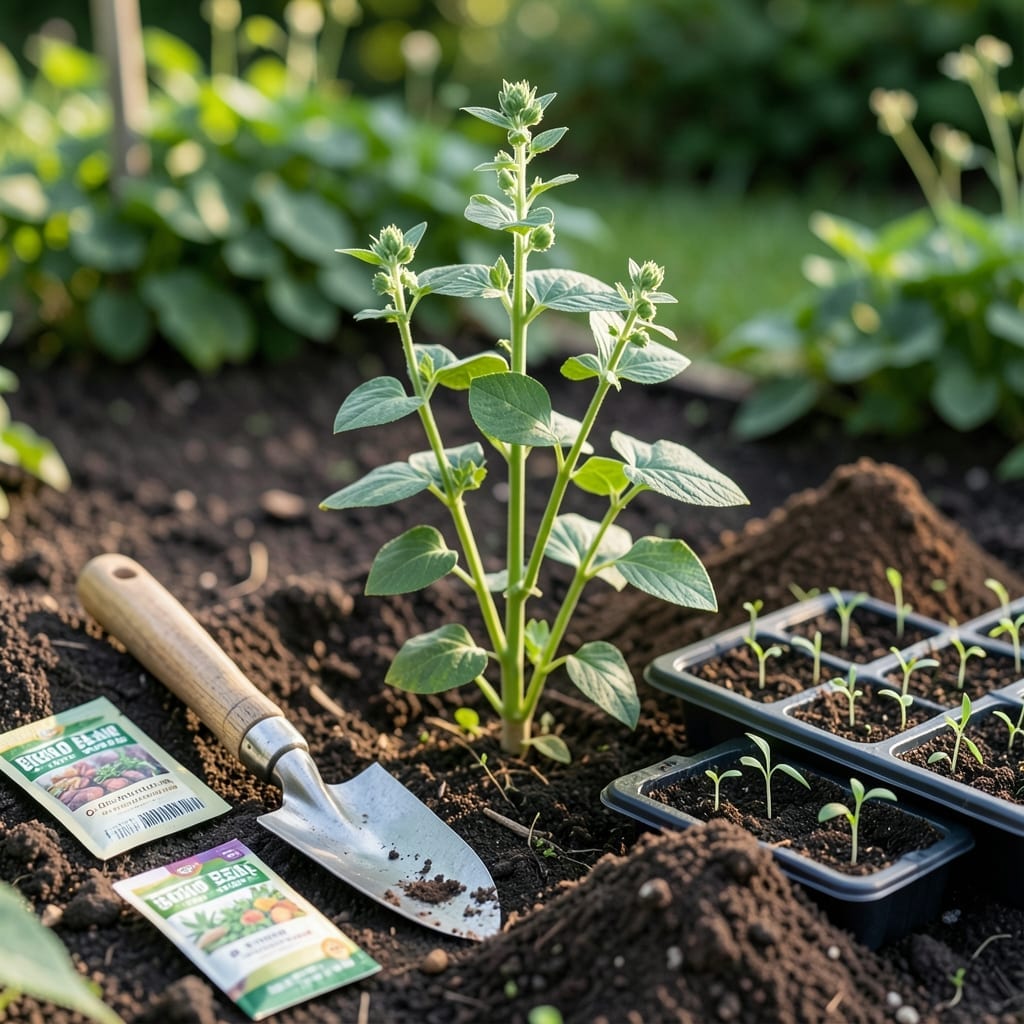
Timing is everything when it comes to growing a thriving vegetable garden in Victoria, Australia. The region’s unique climate means precise planning can make or break your harvest.
Whether you’re in Melbourne or the regional areas, knowing the right windows for planting 🥕 Vegetables is crucial. Get it wrong, and you might face frost damage or stunted growth.
I’ve seen firsthand how proper timing transforms a struggling garden into a bountiful one. From March to May and again from August to October, these are your golden opportunities to get started.
Discover how to align your planting with Victoria’s seasons and climate zones. With the right approach, you’ll be enjoying fresh, homegrown Vegetables in no time.
Victoria’s diverse climate means planting times vary from coastal Melbourne to the inland regions. I’ve found that timing your sowing and transplanting with the seasons is key to a bountiful harvest. Spring and autumn are your best friends here.
For warm-season vegetables like tomatoes and capsicums, wait until the soil warms up in late spring. Cool-season crops like broccoli and spinach thrive when planted in early autumn.
| Season | Vegetables to Plant | Key Months |
|---|---|---|
| Spring | Beans, Cucumbers, Lettuce | September – November |
| Summer | Corn, Eggplant, Zucchini | December – February |
| Autumn | Carrots, Peas, Kale | March – May |
| Winter | Onions, Leeks, Cabbage | June – August |
In cooler areas like Ballarat, frost can linger until late October. I always recommend starting frost-sensitive plants indoors or under cloches to protect them from sudden cold snaps.
For Melbourne’s temperate climate, successive planting works well. I plant radishes every 2 weeks in spring for a continuous harvest. This method ensures I always have fresh produce on hand.
Don’t forget about soil preparation. I test my soil pH before planting and amend it with compost or organic matter as needed. Victoria’s soils can vary greatly, so this step is non-negotiable.
Watering is another critical factor. In dry summers, I make sure my garden gets deep watering 2-3 times a week. Mulching helps retain moisture and keeps the soil temperature stable.
If you’re in a coastal area like Geelong, you can often plant earlier in spring due to milder winters. I take advantage of this by starting peas and broad beans in late winter.
For inland regions, the heat can be intense. I’ve learned to use shade cloth for delicate plants like lettuce to prevent bolting. This simple trick can extend your growing season significantly.
Finally, always keep an eye on the weather forecast. Victoria’s weather can be unpredictable, and a sudden frost or heatwave can disrupt your plans. I use a garden journal to track planting dates and weather patterns.☀️
With these seasonal guidelines and a bit of local knowledge, you’ll be well on your way to a thriving vegetable garden in Victoria. Happy planting!🌱
Victoria’s diverse climate zones mean not all vegetables thrive everywhere. I’ve found that coastal areas like Melbourne benefit from milder temperatures, perfect for leafy greens and herbs.
Inland regions with hotter summers suit heat-loving crops like tomatoes and peppers, while mountainous areas require hardier varieties that tolerate cooler conditions.
In coastal Victoria, I always start with leafy greens like lettuce and spinach, as they handle the milder climate and occasional salt spray well. These thrive with consistent moisture and partial shade.
For inland gardeners, the key is timing. Plant heat-loving crops like tomatoes and peppers after the last frost, usually in late September. They’ll need plenty of sun and regular watering to flourish.
Mountainous areas can be tricky, but I’ve had great success with kale and potatoes. These hardy vegetables tolerate the cooler temperatures and shorter growing seasons typical of higher elevations.
No matter your zone, always test your soil and adjust planting times based on local microclimates. A little extra planning ensures a bountiful harvest every time 🌱