
Beautiful Plants For Your Interior
Beautiful Plants For Your Interior
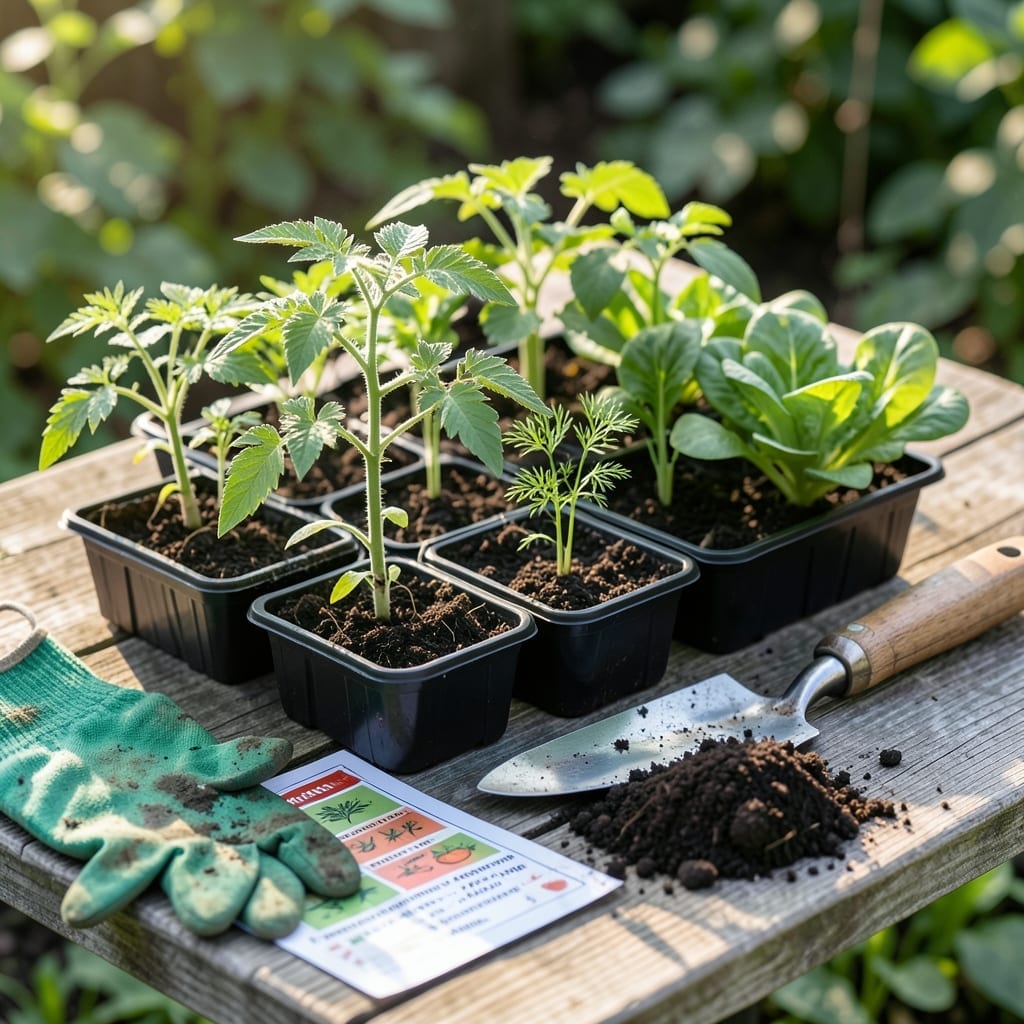
Timing is everything when it comes to planting 🥕 Vegetables in Vermont’s short growing season. As a Zone 4a to 5b region with cold winters and a late spring frost, knowing the optimal windows can make all the difference.
I’ve learned that missing the planting window by even a week can impact your harvest. Vermont’s climate demands precision, and getting it right means enjoying fresh produce all season long.
Whether you’re a seasoned gardener or just starting out, understanding these timing nuances is the key to success. The good news? It’s simpler than you might think.
Discover how to align your planting schedule with Vermont’s unique seasons and frost dates. Let’s dig in and set you up for a thriving garden.
As a Vermont gardener, I know our Zone 4 climate demands precise timing. The last spring frost typically hits around mid-May, while the first fall frost arrives by early October. This gives us about 135 frost-free days to work with.
I always start by dividing my crops into cool-season and warm-season varieties. Cool-season veggies like peas and spinach can go in as soon as the soil is workable in early April. Warm-season plants like tomatoes and peppers must wait until after the last frost.
| Crop Type | Planting Window | Soil Temp |
|---|---|---|
| Cool-Season | April-May | 40-50°F |
| Warm-Season | Mid-May-June | 60-70°F |
| Fall Crops | July-August | 50-60°F |
For succession planting, I stagger my lettuce and radish crops every 2 weeks through early summer. This ensures a continuous harvest rather than one big glut. I also use row covers to protect early plantings from unexpected late frosts.
Our short growing season means I prioritize fast-maturing varieties. For example, I choose ‘Early Girl’ tomatoes (55 days) over heirlooms that need 80+ days. The same goes for bush beans versus pole beans in cooler areas.
I’ve found that soil temperature is more reliable than air temperature for planting decisions. I use a soil thermometer to check conditions. Peas can germinate at 40°F, but beans need at least 50°F to avoid rotting in cold soil.
For fall planting, I count backward from our first frost date. Kale and brussels sprouts actually taste sweeter after a light frost, so I plant them in late July for a October harvest. Quick crops like spinach can go in as late as early September.
I always keep a garden journal to track my planting dates and harvest results. This helps me adjust my schedule each year based on actual conditions rather than just averages. Last year, I learned that my microclimate allows me to plant 2 weeks earlier than the general Vermont guidelines.
Remember that elevation affects frost dates. My friend in the Green Mountains has to wait until June 1 for tomatoes, while I can plant in mid-May in the Champlain Valley. Always check your specific local conditions.
Finally, I recommend starting warm-season crops indoors about 6-8 weeks before our last frost date. This gives plants like peppers and eggplants a head start in our short season. Just be sure to harden off seedlings before transplanting.
Vermont’s cool spring soil is perfect for cold-hardy vegetables that can tolerate near-freezing temps. I’ve found these varieties thrive when planted 4-6 weeks before the last frost, typically mid-April to early May in most of the state. 🌱
These plants not only survive chilly nights but often taste sweeter after a light frost. My favorites include peas, spinach, and kale, which establish quickly and give you an early harvest before summer crops take over. 🌿
For best results, I pre-soak pea seeds overnight to speed up germination in cool soil. Spinach and lettuce benefit from row covers if late frosts threaten. Always check soil temperature—aim for at least 40°F before planting. ✂️
Don’t overlook succession planting with radishes and lettuce. I plant a new row every 10-14 days for continuous harvests. These crops bolt quickly in summer heat, so timing is key to extend your supply. 💧
Remember, Vermont’s microclimates vary. If you’re in a warmer valley or near Lake Champlain, you might plant a week earlier. Always adjust based on your specific location’s frost dates. ☀️
Finally, keep the soil consistently moist but not soggy. Cold-hardy crops need even watering to prevent bolting or bitterness. A layer of mulch helps retain moisture and warmth as the season progresses. 🌱