
Beautiful Plants For Your Interior
Beautiful Plants For Your Interior
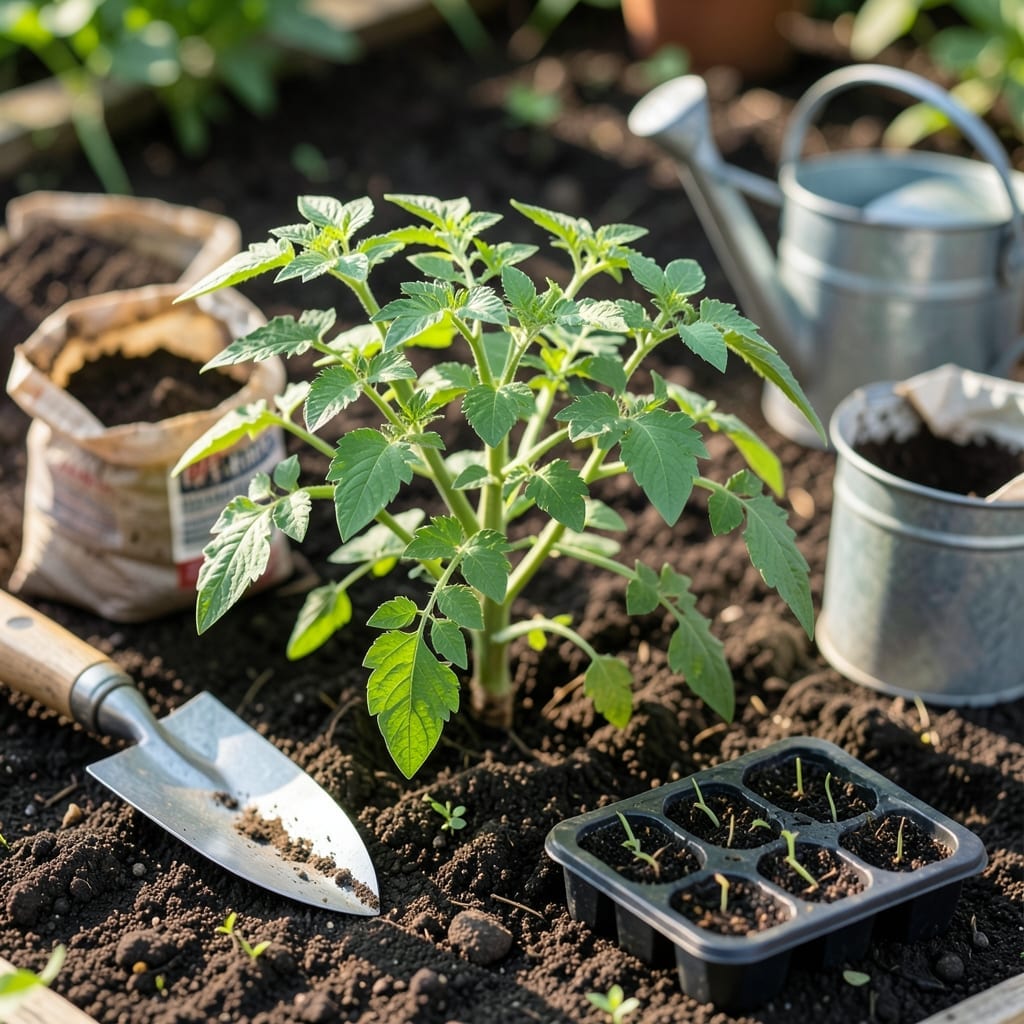
Timing is everything when planting Vegetables in Tennessee. The state’s diverse climate means your schedule can vary dramatically by region.
From cool mountain areas to warm river valleys, each zone has its own rhythm. I’ve seen gardeners struggle when they plant too early or too late.
Getting the timing right can be the difference between a bountiful harvest and a disappointing season. You don’t want to miss those ideal windows.
Let me show you how to align your planting with Tennessee’s unique growing conditions for the best results.
Tennessee’s diverse climate means your planting dates will shift across East, Middle, and West regions. Each area has unique microclimates that affect when to start seeds and transplant.
In East TN, cooler mountain temperatures allow early spring planting of cold-hardy crops like kale and spinach. The higher elevation delays the last frost date compared to other regions.
| Region | Last Frost | First Frost | Cool-Season Planting | Warm-Season Planting |
|---|---|---|---|---|
| East TN | April 15 | Oct 15 | March-April | May-June |
| Middle TN | April 10 | Oct 20 | Feb-March | April-May |
| West TN | April 1 | Oct 25 | Feb-March | March-April |
For cool-season vegetables like lettuce and peas, I recommend planting 4-6 weeks before your region’s last frost date. These hardy plants can tolerate light frosts and even improve in flavor after a cold snap.
Warm-season crops such as tomatoes and peppers need soil temperatures above 60°F. In West TN, you can often start these earlier than in the cooler eastern mountains.
Don’t forget about fall planting! Many cool-season crops can be planted again in late summer for a second harvest. Count backward from your first frost date to determine the latest planting window.
I’ve found that using a soil thermometer is invaluable. Even if air temperatures seem warm, the soil might still be too cold for sensitive seeds. This simple tool can prevent many planting mistakes.
In Middle TN, the longer growing season allows for succession planting. After harvesting early spring crops, you can plant heat-tolerant varieties for continuous production throughout summer.
For the best results, always check your local weather patterns and adjust planting dates accordingly. Tennessee’s weather can be unpredictable, and a late frost or early heatwave can impact your schedule.
Remember, these are general guidelines. Your specific microclimate, soil conditions, and local weather patterns may require slight adjustments to these dates.
Tennessee’s climate is perfect for growing a wide variety of vegetables. I’ve found that timing is everything, especially with our unpredictable weather patterns.
From cool-season crops like lettuce and broccoli to warm-season favorites like tomatoes and peppers, each has its own sweet spot. Let me break it down for you. 🌱
For quick-maturing varieties, I recommend planting radishes and spinach. These can go in as early as February in Middle Tennessee. They’re perfect for those short growing windows.
In West Tennessee, where it’s warmer, you can start warm-season crops like cucumbers and squash a bit earlier. Just watch for those late frosts that can sneak in. 🌿
Don’t forget about succession planting. For example, I plant a new row of bush beans every 2 weeks from May to July. This keeps me in fresh beans all summer long.
And remember, soil temperature is just as important as air temperature. Use a soil thermometer to check before planting. It’s a game-changer for getting those ideal conditions. ✂️