
Beautiful Plants For Your Interior
Beautiful Plants For Your Interior
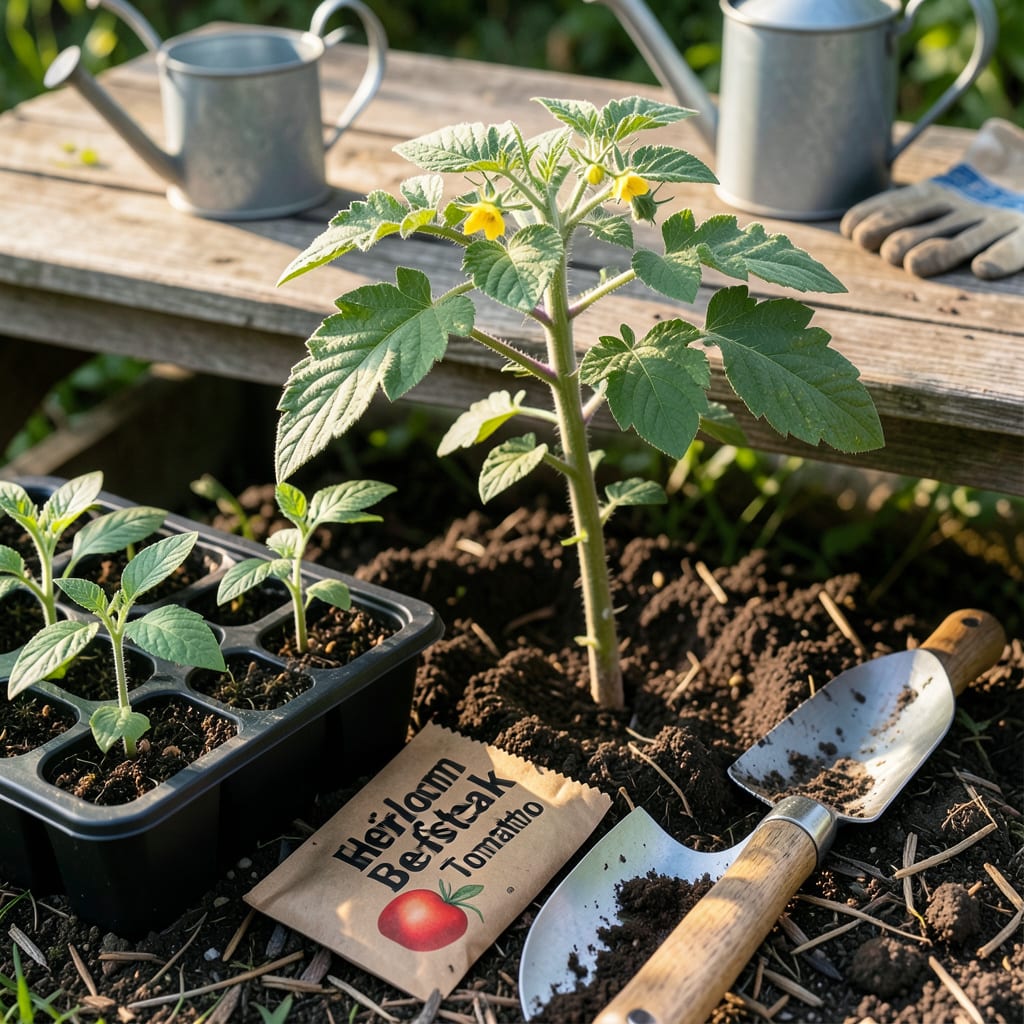
Timing your vegetable garden in Tennessee can mean the difference between a bountiful harvest and a disappointing season. Plant too early, and a late frost might ruin your 🌱 cool-season crops; wait too long, and the summer heat could stunt your tomatoes before they even start.
With Tennessee spanning three USDA zones, knowing your exact planting window is crucial. I’ll break down the ideal timing for each region—East, Middle, and West—so you can plant with confidence and maximize your yield from spring through fall.
If you’ve ever wondered why your neighbor’s tomato plants thrive while yours struggle, the secret often lies in Tennessee’s diverse planting zones. Our state spans USDA zones 6a to 8a, meaning frost dates and growing seasons vary dramatically from Memphis to Mountain City.
I’ve learned the hard way that East Tennessee (with its higher elevations) stays cooler longer, while West Tennessee warms up faster. This difference can mean a 2-3 week gap in safe planting dates for the same vegetable. Let’s break down what this means for your garden.
These dates are averages—your exact microclimate might differ. I always check soil temperature with a $10 thermometer before planting. For cool-season crops like spinach, aim for 40°F+ soil. Warm-season stars like tomatoes need 60°F+ to thrive.
Here’s my pro tip: West Tennessee gardeners can often sneak in two tomato crops—one in spring and another in late summer. Meanwhile, East Tennessee folks should focus on fast-maturing varieties like ‘Early Girl’ tomatoes to beat the shorter season.
The Cumberland Plateau presents unique challenges with its cooler nights even in summer. I’ve found row covers extend the season by 2-3 weeks for heat-lovers like peppers. Don’t forget that urban heat islands (like downtown Nashville) can be 5-10°F warmer than surrounding areas!
For fall planting, count backward from your first frost date. Most cool-season veggies need 6-8 weeks to mature. I mark my calendar for August 1 to sow kale and August 15 for lettuce in Middle Tennessee. This timing ensures harvest before hard freezes.
Remember that elevation changes dramatically affect temperatures. My garden in Cookeville (1,100 ft elevation) stays about 3°F cooler than nearby Crossville at 1,900 ft. When in doubt, ask local Extension Office agents—they’ve saved my bacon more than once!
I’ve created a simple rule: “When the dogwoods bloom, plant potatoes”. This natural sign works across most of Tennessee. For warm-season crops, I wait until two weeks after my area’s last frost date—just to be safe from those sneaky late freezes.
Don’t let these zone differences intimidate you. I’ve found that succession planting works wonders in Tennessee. After harvesting spring radishes, I immediately sow bush beans in the same space. This keeps my garden productive from March through November!
For the most accurate timing, I recommend using soil thermometers and keeping a garden journal. Note when you plant and when first sprouts appear. Over time, you’ll create a personalized planting calendar that’s more accurate than any general guide. Happy planting! 🌱
Now that you understand Tennessee’s planting zones, let’s dive into the month-by-month schedule that keeps my garden productive year-round. I’ve tailored this calendar to work across most of Tennessee, with adjustments for your specific region’s frost dates.
Remember, cool-season crops thrive in spring and fall, while warm-season favorites love summer heat. I always keep a notebook handy to track what works best in my particular microclimate. Here’s the schedule that’s brought me success:
I’ve found that succession planting is the key to maximizing Tennessee’s long growing season. After harvesting spring radishes in May, I immediately plant bush beans in the same space. This technique keeps my garden productive from March through November.
For fall planting, I count backward from my area’s first frost date. Most cool-season veggies need 6-8 weeks to mature. In Middle Tennessee, I sow kale by August 1 and lettuce by August 15 to ensure harvest before hard freezes.
The secret to summer gardening in Tennessee is morning watering and mulch. I apply a 2-3 inch layer of straw or shredded leaves to retain moisture and suppress weeds. This simple step reduces my watering needs by about 30% during our hot summers.
Don’t forget about Tennessee’s native varieties! I always include Cherokee Purple tomatoes, Tennessee Red Valencia peanuts, and Cumberland Gap greasy beans in my garden. These heirlooms are perfectly adapted to our climate and often outperform standard varieties.
For the most accurate timing, I recommend keeping a garden journal. Note when you plant, when sprouts appear, and when you harvest. Over time, you’ll develop a personalized planting calendar that’s more precise than any general guide. Happy gardening! 🌱
After years of gardening across Tennessee’s diverse climates, I’ve seen even experienced gardeners make costly timing mistakes. The good news? These errors are easy to fix once you know what to watch for. Let me share the five most common pitfalls I see in Tennessee gardens.
First up is ignoring microclimates. Your neighbor’s frost dates might differ from yours by 2-3 weeks depending on elevation, urban heat islands, or proximity to water. I always recommend keeping a simple thermometer in your garden to track your specific conditions.
The soil temperature mistake is particularly common. I’ve lost count of how many gardeners plant tomatoes in early April because “that’s when my grandma always planted.” But if the soil’s still cold, those plants will just sit there. I use a $10 soil thermometer—it’s been my best gardening investment.
Another big issue is poor variety selection. Not all vegetables handle Tennessee’s heat and humidity equally. I’ve had great success with ‘Arkansas Traveler’ tomatoes and ‘Clemsons Spineless’ okra—both thrive in our climate. Always check if a variety is heat-tolerant or disease-resistant before planting.
Many gardeners also forget about succession planting. In Tennessee, we can grow three crops in one space: spring radishes, summer beans, then fall spinach. I keep a planting schedule on my fridge to remind me when to sow the next crop. This technique has doubled my harvests in the same space.
Finally, don’t overlook season extension. Simple row covers can protect plants from early frosts, while shade cloth helps cool-season crops survive into summer. I’ve harvested spinach until Christmas using these techniques in Middle Tennessee. The key is monitoring temperatures and adjusting protection as needed. 🌱
Use the USDA Plant Hardiness Zone Map and enter your ZIP code. Tennessee ranges from 6a to 8a, with East TN being cooler than West. For precision, check with your local Extension Office or use a soil thermometer to confirm conditions.
Resist the temptation! Even if air temps rise, soil needs to reach 60°F+ for tomatoes to thrive. A late frost could still damage young plants. In Middle TN, I wait until after April 15—better safe than sorry.
Use row covers for early spring/winter protection and shade cloth for summer cool-season crops. In West TN, I’ve harvested spinach until December with these tools. Also try cold frames for hardier greens like kale.
Focus on disease-resistant varieties like ‘Celebrity’ tomatoes, ‘Straight Eight’ cucumbers, and ‘Clemsons Spineless’ okra. These thrive in our humid summers. Avoid dense plantings—good airflow prevents fungal issues in wet years.
Our long falls are perfect for broccoli, kale, and carrots. Start seeds in late July/early August (count backward 8 weeks from first frost). I get better flavor from fall-grown veggies than spring plantings.
