
Beautiful Plants For Your Interior
Beautiful Plants For Your Interior
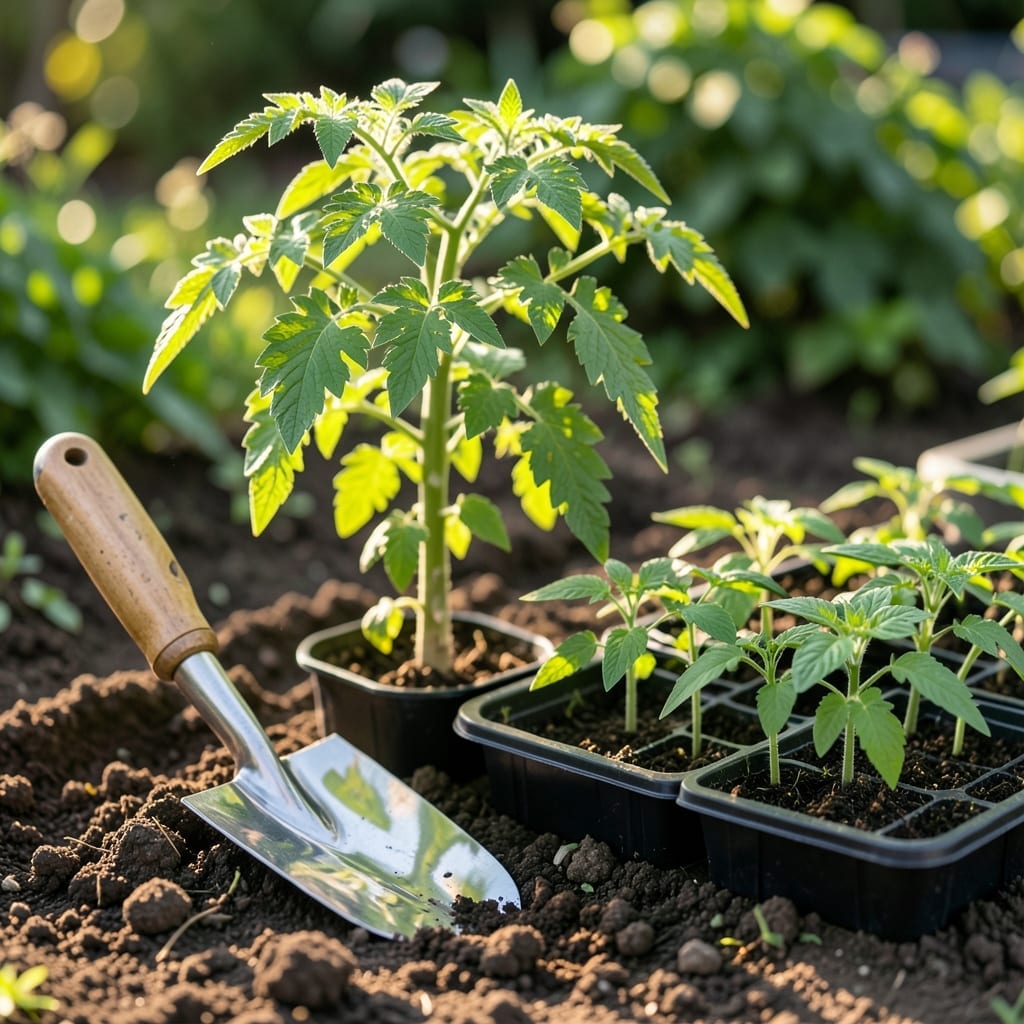
South Florida’s Zone 10 climate offers a unique advantage for gardeners—year-round growing potential. But timing is everything when it comes to Vegetables.
Unlike colder regions, our warm winters and hot summers create distinct opportunities. Plant too early or too late, and you might miss the sweet spot for a bountiful harvest.
I’ve spent years fine-tuning the best planting windows for this region. The good news? With the right schedule, you can enjoy fresh produce almost any month.
Let me show you exactly when to get those seeds in the ground for the best results. The secret lies in working with, not against, our subtropical weather patterns.
South Florida’s Zone 10 climate offers a unique advantage for gardeners: year-round growing potential. However, the key to success lies in aligning your planting with the region’s two distinct seasons. The cooler, drier months from October to March are ideal for most vegetables.
During the hot, humid summers, many crops struggle with heat stress and pests. That’s why I focus on warm-season vegetables like okra and sweet potatoes in April through September, while saving cool-season crops for the milder months.
| Season | Best Vegetables | Planting Months |
|---|---|---|
| Cool Season | Lettuce, Broccoli, Carrots | Oct – Feb |
| Warm Season | Tomatoes, Peppers, Okra | Mar – Sep |
| Year-Round | Green Beans, Cucumbers | All Year |
I’ve found that October through December is the sweet spot for starting leafy greens like kale and spinach. These crops thrive in the cooler temperatures and can often be harvested multiple times before the heat sets in.
For tomatoes and peppers, I wait until late February or March to plant. This timing avoids the cold snaps of January while ensuring the plants establish before the scorching summer heat arrives. Remember, consistent watering is critical during these transitional periods.
The rainy season, typically June through October, requires extra attention. I always improve drainage in my garden beds to prevent root rot in heavy downpours. Raised beds can be a game-changer for managing excess moisture.
One of my top tips is to use shade cloth during the hottest months. This simple addition can protect heat-sensitive plants like lettuce and herbs from bolting prematurely, extending your harvest window.
Don’t forget about soil preparation. South Florida’s sandy soil drains quickly, so I amend my beds with compost and organic matter before each planting. This helps retain moisture and provides essential nutrients for healthy plant growth.
Finally, I always keep an eye on the weather forecast. Even in Zone 10, we can experience unexpected cold fronts. Having frost cloth on hand can save your tender plants from damage during these rare events.
☀️By following this seasonal schedule, I’ve been able to enjoy fresh vegetables from my garden nearly year-round. The key is observation and adaptation—every season brings new lessons for the attentive gardener.
🌱South Florida’s Zone 10 climate lets you grow vegetables year-round, but some thrive better than others. I’ve found tomatoes and peppers do exceptionally well when planted in fall or early winter. These warm-season crops love the milder temperatures and avoid summer’s brutal heat.
For leafy greens like lettuce and spinach, aim for October through March. They bolt quickly in high heat, so cooler months ensure a sweeter harvest. Meanwhile, okra and sweet potatoes handle the summer heat like champs.
I always recommend heat-tolerant varieties like ‘Heatmaster’ tomatoes or ‘Jalapeño M’ peppers for South Florida. These are bred to handle high humidity and intense sun without wilting. Don’t forget to mulch heavily to retain moisture in our sandy soil.
Another pro tip: Avoid planting in June-August unless it’s a heat-loving crop. The combination of heat and daily rain can stress most vegetables. Instead, use this time to prepare soil and plan your fall garden.
For root vegetables like carrots and beets, November to January is prime time. They need consistent moisture and loose soil to develop properly. I’ve had great success with ‘Danvers’ carrots in raised beds.
Finally, herbs like basil and cilantro can be grown year-round but may need afternoon shade in peak summer. They’re perfect for container gardening on patios or balconies.
Remember, successful gardening in South Florida is all about timing and variety selection. 🌿