
Beautiful Plants For Your Interior
Beautiful Plants For Your Interior
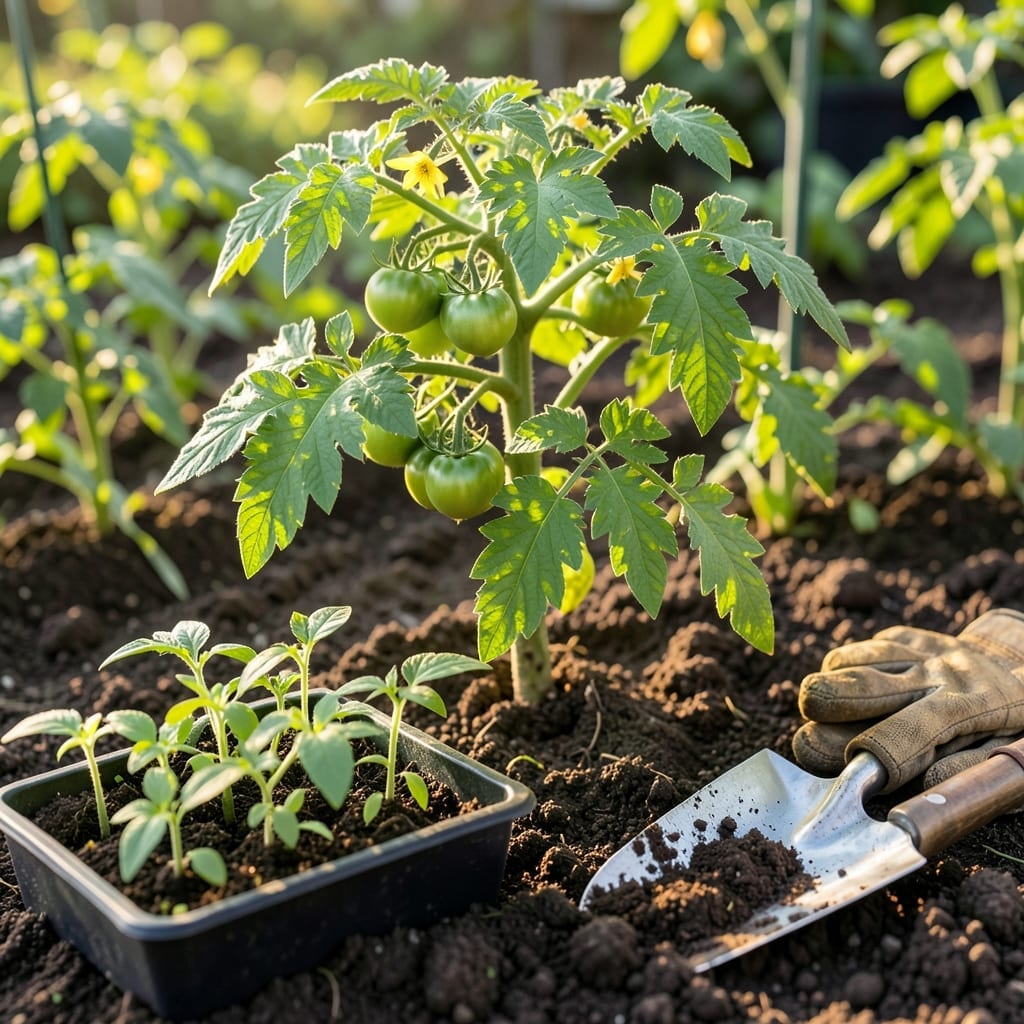
Timing is everything when growing 🥕 Vegetables in South Carolina. Our state’s unique climate offers a long growing season, but planting at the wrong time can leave you with lackluster results.
In zones 7b-8b, the difference between success and struggle often comes down to just a few weeks. I’ve learned through experience that following the natural rhythm of our seasons makes all the difference.
Whether you’re planting in early spring or preparing for a fall harvest, understanding these windows is the key to maximizing your yield. The good news? South Carolina’s mild winters and hot summers allow for multiple planting opportunities.
Discover how to align your planting schedule with our state’s ideal conditions. Your most bountiful garden starts with knowing exactly when to begin.
South Carolina’s USDA zones 7-9 give gardeners a long growing window, but timing is key. I’ve found that cool-season crops like lettuce and peas thrive when planted in early spring or late summer for a fall harvest.
For warm-season vegetables like tomatoes and peppers, waiting until after the last frost date (around April 15) ensures strong growth without risk of cold damage.
| Vegetable | Planting Window | Zone Suitability |
|---|---|---|
| Lettuce | Feb-Apr, Aug-Sept | 7-9 |
| Tomatoes | Apr-May, July | 7-9 |
| Okra | May-June | 8-9 |
| Peas | Feb-Mar, Sept | 7-9 |
| Cucumbers | Apr-June | 7-9 |
In Zone 7 (upstate), the growing season is shorter, so I start cool-season crops indoors in January-February to get a head start. This helps avoid late frosts that can damage tender seedlings.
For Zone 8-9 (midlands and coastal areas), the longer frost-free period (up to 280 days) allows for multiple harvests. I often plant successive crops of beans and squash every 2-3 weeks for continuous yields.
Soil temperature is another critical factor. I use a soil thermometer to check that it’s at least 60°F for warm-season crops like peppers and eggplants. Planting too early can stunt growth.
In fall planting, I aim to get cool-season crops like kale and spinach in the ground 6-8 weeks before the first frost (around November 15). This gives them time to establish before winter sets in.
For heat-tolerant varieties, I look for Southern-adapted seeds like Arkansas Traveler tomatoes or Charleston Hot peppers. These are bred to thrive in South Carolina’s humid summers and resist common diseases.
I always recommend mulching to retain moisture and suppress weeds, especially during the hot summer months. A 2-3 inch layer of organic mulch like straw or wood chips works wonders for most vegetables.
Lastly, don’t forget to rotate crops each year to prevent soil depletion and reduce pest buildup. I keep a simple garden journal to track what I’ve planted where each season.
With these timings and techniques, you’ll maximize your harvest potential in South Carolina’s diverse climate ☀️🌱
South Carolina’s climate lets me grow vegetables year-round with the right timing. I start cool-season crops like lettuce and spinach in early spring or late summer for a fall harvest. Warm-season favorites like tomatoes and peppers thrive when planted after the last frost in mid-April. Succession planting keeps my garden productive for months. 🌱
I’ve found that radishes and carrots do best sown in March or September, while okra and sweet potatoes love the hot summer months. Even in winter, I can grow kale and collards in most parts of the state. The key is matching plant varieties to the seasonal temperatures. 🌿
I always check the soil temperature before planting. For example, beans need 60°F soil to germinate, while lettuce seeds prefer 40-50°F. Using a soil thermometer takes the guesswork out of timing. I also watch the 10-day forecast to avoid late frosts or unexpected heatwaves. ✂️
In the Lowcountry, I can plant warm-season crops earlier than in the Upstate because of milder winters. Conversely, the Piedmont region may have a shorter growing season due to cooler temperatures. Adjusting my planting schedule by 2-3 weeks based on my specific microclimate makes a big difference. 🌡️
For fall planting, I count backward from the first frost date (around November 15). Fast-growing crops like radishes (30 days) can be planted in October, while slower growers like Brussels sprouts (90 days) need to go in by mid-August. This method ensures a harvest before winter sets in. 🌻
I’ve learned that mulching helps regulate soil temperature and retain moisture, which is especially important during South Carolina’s hot summers. A 2-3 inch layer of organic mulch keeps my plants happy and reduces watering needs. It’s a simple step with big benefits. 💧