
Beautiful Plants For Your Interior
Beautiful Plants For Your Interior
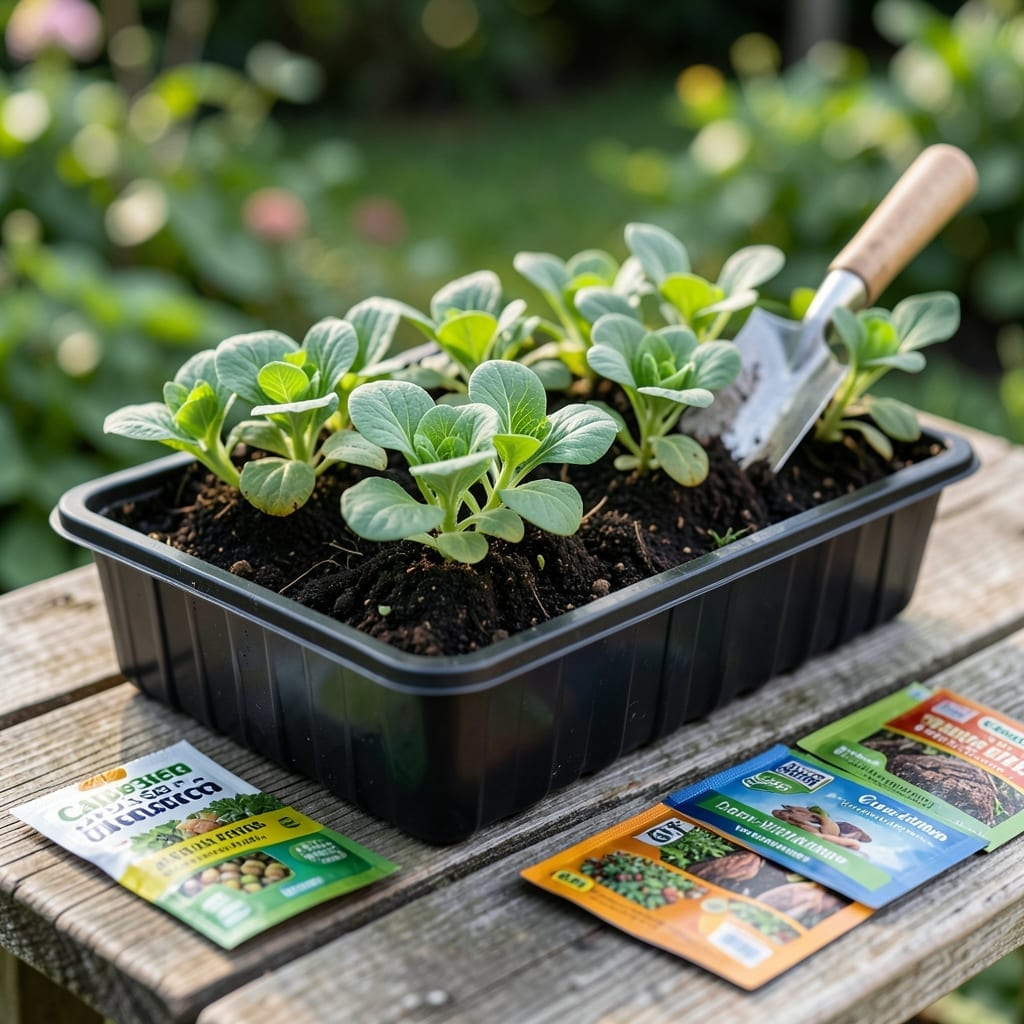
Timing is everything when it comes to growing Vegetables in Scotland’s unpredictable climate. Get it right, and you’ll enjoy a thriving garden all season long.
The key lies in understanding Scotland’s unique growing conditions. With USDA zones 7-8 and a planting window from March to June, knowing when to start can make all the difference.
I’ve spent years refining the perfect schedule for Scottish gardens. Whether you’re a beginner or a seasoned grower, these insights will help you maximize your harvest from June to October.
Let’s dive into the best times to plant and how to work with Scotland’s spring season to grow healthy, productive 🥕 Vegetables.
Scotland’s cool maritime climate means planting times differ from warmer regions. I’ve found that timing your sowing with the seasons is key to success. Spring is ideal for hardy vegetables like kale and spinach.
Summer allows for warm-season crops such as beans and courgettes, but only after the last frost. Autumn is perfect for overwintering crops like garlic and broad beans.
| Season | Vegetables | Notes |
|---|---|---|
| Early Spring (Mar) | Peas, Broad Beans | Direct sow outdoors |
| Mid Spring (Apr) | Carrots, Lettuce | Soil temp above 7°C |
| Late Spring (May) | Potatoes, Onions | After last frost |
| Summer (Jun-Jul) | Beans, Courgettes | Start indoors if cool |
| Autumn (Aug-Sep) | Garlic, Spinach | Overwinter for early crops |
I always check soil temperature before planting. A simple soil thermometer helps me ensure conditions are right. For warm-season crops, I wait until the soil reaches at least 10°C.
Cool-season vegetables like cabbage and broccoli can tolerate lower temperatures. I’ve had success planting these in early spring or late summer for a fall harvest.
In coastal areas, the climate is milder, allowing for earlier planting. However, in the Highlands, I delay planting until late spring to avoid frost damage.
I also use cloches or fleece to protect young plants from sudden cold snaps. This extend the growing season by a few weeks. Row covers are another great option for warmth-loving plants.
Succession planting is a game-changer in Scotland. I sow radishes and lettuce every 2-3 weeks for a continuous harvest. This works well with the shorter growing season.
For perennial vegetables like asparagus and rhubarb, early spring is the best time to plant. These crops establish well in the cool, moist conditions typical of Scotland.
Remember, local microclimates can vary greatly. I always observe my garden’s specific conditions and adjust planting times accordingly. This attention to detail has helped me achieve bountiful harvests year after year. 🌱
Scotland’s unique climate means timing your vegetable planting requires careful consideration. I’ve found that frost dates, soil temperature, and daylight hours are the biggest influencers.
The last frost date in most of Scotland is around mid-April, but this can vary. In the Highlands, it may be late May, while coastal areas often see earlier frosts.
Soil temperature is perhaps the most critical factor. I always use a soil thermometer to check conditions. Most cool-season crops like peas and spinach can germinate at 5°C.
For warm-season vegetables like beans or courgettes, I wait until the soil reaches at least 10°C. This usually happens in late May for most of Scotland.
Daylight hours increase dramatically in spring. This boosts plant growth but can also cause bolting in some crops. I’ve learned to time my plantings to avoid this issue with lettuce and radishes.
Scotland’s high rainfall means I often need to improve drainage in my planting areas. Raised beds help prevent waterlogging, which can rot seeds before they germinate.
I also consider wind exposure in my garden. Strong winds can damage young plants and dry out soil quickly. I use windbreaks or plant in sheltered spots to protect my vegetables. 🌿