
Beautiful Plants For Your Interior
Beautiful Plants For Your Interior
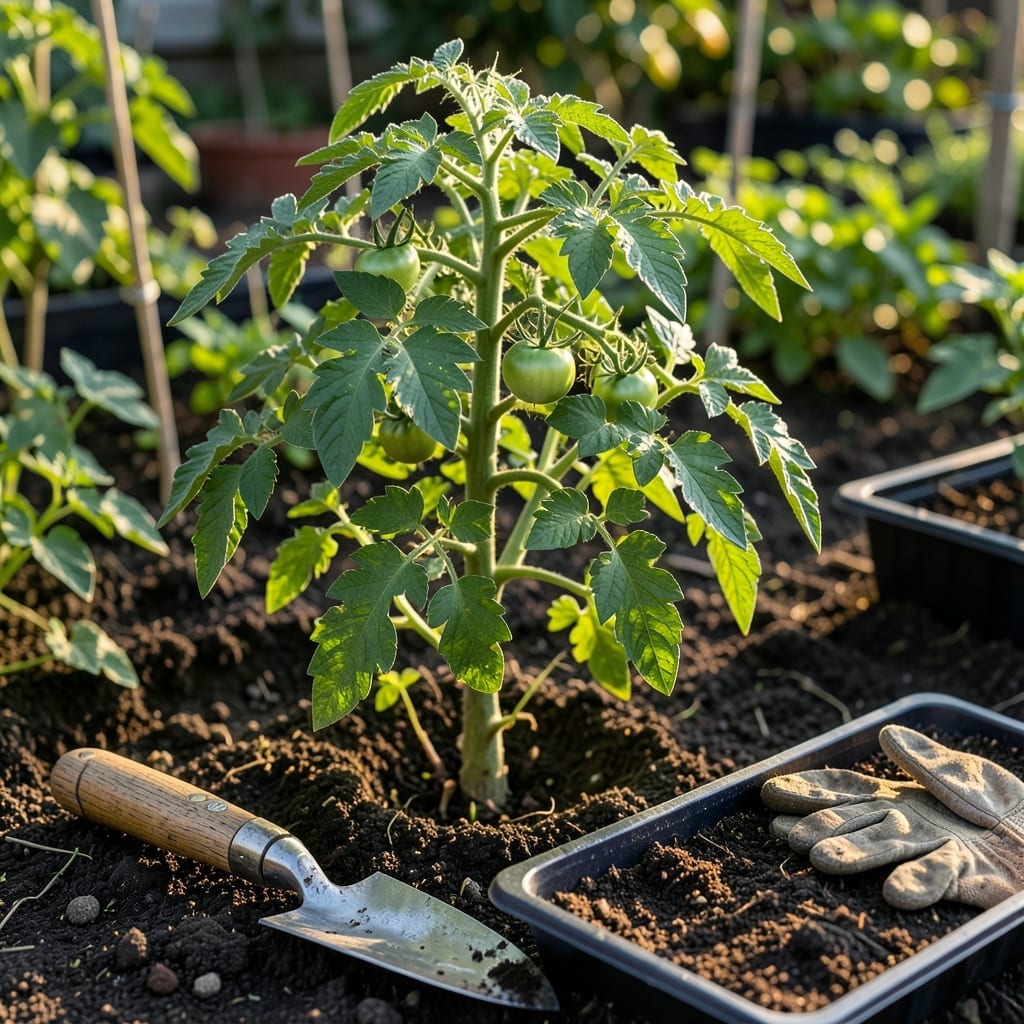
San Diego’s mild Mediterranean climate is a gardener’s dream. The 🥕 year-round growing season lets you plant almost anytime, but timing still makes all the difference.
Plant too early or too late, and your harvest could suffer from heatwaves or unexpected frosts. Even in zone 10a, getting it right ensures better yields and healthier Vegetables.
I’ve tested the best approaches for this region, and what I’ve learned will save you time and frustration. Whether you’re coastal or inland, these tips apply.
Discover how to align your planting with San Diego’s unique seasons. Let’s make your garden thrive without the guesswork.
San Diego’s unique microclimates mean your planting schedule can vary. Coastal areas stay cooler, while inland spots heat up faster. I’ve found that timing your vegetable planting around these differences is key.
For example, cool-season crops like lettuce and kale thrive in winter, while warm-season favorites like tomatoes and peppers need summer heat. Even in zone 10a, frost can surprise inland gardens in December.
| Season | Vegetables to Plant | Notes |
|---|---|---|
| Winter | Kale, Carrots, Peas | Cool-hardy, thrives in 50-70°F |
| Spring | Lettuce, Spinach, Beets | Plant early to avoid summer heat |
| Summer | Tomatoes, Peppers, Cucumbers | Needs full sun and consistent water |
| Fall | Broccoli, Cabbage, Radishes | Great for second harvests |
In coastal San Diego, you can often plant cool-season crops year-round thanks to the ocean’s moderating effect. I’ve had success with spinach in July near the coast, but inland, it struggles.
Warm-season vegetables like tomatoes and peppers need soil temps above 60°F. Start seeds indoors in early March for a head start, or wait until April to plant directly in the garden.
For fall planting, start cool-season crops in late August. This gives them time to mature before winter’s cooler temps slow growth. I’ve found that broccoli and cauliflower do especially well with this timing.
Don’t forget about succession planting. In San Diego, you can plant radishes every 2 weeks for continuous harvests. The same goes for bush beans in summer.
If you’re in an inland area, watch for late frost warnings in December. A simple frost blanket can protect tender plants and extend your growing season.
Shade cloth is a lifesaver for summer gardening. Use it to protect lettuce and spinach from bolting in the heat. I keep mine handy from June to September.
Finally, always check soil temperature before planting. A simple thermometer can save you from planting too early or too late. Aim for 60-85°F for most vegetables.
With this schedule, you’ll maximize your year-round harvests and avoid common pitfalls. Happy planting! 🌱
San Diego’s winter months are perfect for growing cool-season vegetables that thrive in 50-70°F temperatures. Unlike colder climates, we can grow fresh produce all year with the right selections.
I’ve had great success with kale, carrots, and peas during winter. These varieties handle the cooler temps and even taste sweeter after a light frost in inland areas.
For best results, prepare your soil before winter planting. Add compost and ensure good drainage, as winter rains can waterlog beds. I always test my soil’s pH level before planting.
In coastal areas, you can plant these vegetables from September through February. Inland gardeners should aim for October through January to avoid early frosts.
Watering needs decrease in winter, but don’t let your soil dry out completely. I water my winter garden once a week unless we get significant rain.
Don’t forget about pest protection. Even in winter, aphids and slugs can be problematic. I use row covers for young plants and organic slug bait as needed.
With these winter vegetables, you’ll enjoy fresh, homegrown produce even in the cooler months. Happy gardening! 🌱