
Beautiful Plants For Your Interior
Beautiful Plants For Your Interior
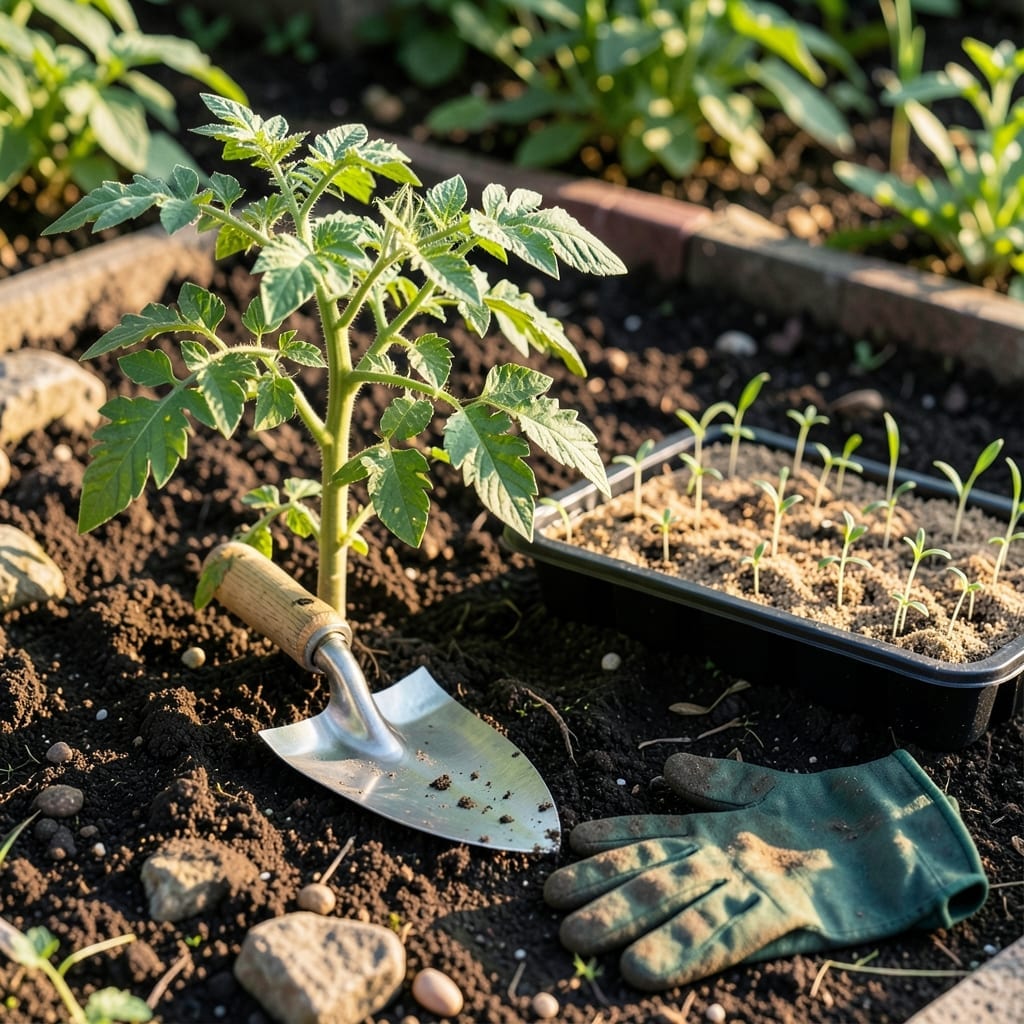
Timing is everything when it comes to planting 🥕 Vegetables in Rhode Island. With its unique climate and growing zones, knowing the right moment to sow can mean the difference between a bountiful harvest and a disappointing season.
I’ve spent years testing different planting schedules in zone 6b, and what I’ve learned will help you maximize your garden’s potential. Whether you’re a beginner or a seasoned gardener, understanding these timing secrets is the game-changer you need.
From cool-season crops to warm-weather favorites, each vegetable has its own best window for planting. And in Rhode Island’s finicky climate, that timing can make or break your harvest.
Discover how to align your planting with nature’s rhythm and watch your garden thrive like never before. Let’s get started.
Rhode Island spans USDA zones 5b to 7a, creating varied planting windows. In zone 6b, which covers most of the state, the last frost typically hits around April 15. This date is your green light for warm-season vegetables.
Coastal areas often enjoy slightly milder winters due to the ocean’s influence. Inland gardens, however, may face harsher frost and shorter growing seasons. These microclimates can shift your planting schedule by weeks.
| Zone | Average Last Frost | Growing Season Length |
|---|---|---|
| 5b | April 20-30 | 160-170 days |
| 6a | April 10-20 | 170-180 days |
| 6b | April 1-15 | 180-190 days |
| 7a | March 20-30 | 190-200 days |
I always recommend checking your exact zone using the USDA map. Even a half-zone difference can significantly impact your planting timeline. For example, zone 7a gardeners can start cool-season crops up to a month earlier.
Soil temperature is another critical factor. Warm-season vegetables like tomatoes and peppers need soil at least 60°F. I use a soil thermometer to be precise—it’s a small investment that prevents big mistakes.
In my experience, coastal gardens can often plant cool-season crops like lettuce and spinach a week or two earlier. The ocean moderates temperatures, reducing frost risk. But watch for salt spray, which can damage tender plants.
For inland areas, frost pockets are common in low-lying spots. I’ve lost many a tomato seedling by planting too early in these areas. Always scout your garden for these cold air traps before choosing plant locations.
The first frost in fall typically arrives around October 15 in zone 6b. This gives you about 180 frost-free days, perfect for most vegetables. But I always have row covers ready to extend the season for late crops.
Microclimates can be your friend or foe. A south-facing wall can create a warm microclimate, perfect for heat-loving plants. Conversely, shady spots stay cooler longer, ideal for leafy greens that bolt in summer heat.
Remember, these zone guidelines are just that—guidelines. Your local conditions, from soil type to wind exposure, will fine-tune your planting schedule. I keep a garden journal to track what works best in my specific space.
Understanding your zone helps you select vegetable varieties that thrive in your area. I always look for short-season varieties in cooler zones and heat-tolerant types for warmer areas. This simple step can dramatically improve your harvest.
In Rhode Island, I always start cool-season crops like spinach and peas as early as March or April. These thrive in the cooler temperatures before the last frost date.
For warm-season vegetables like tomatoes and peppers, I wait until after the last frost—typically mid-April—when the soil warms to at least 60°F. This timing ensures strong, healthy growth.
I’ve found that succession planting works wonders in Rhode Island. After harvesting early lettuce, I replant with bush beans or zucchini to keep the garden productive all season long.
Don’t forget about soil temperature. Even if air temps are warm, cold soil can stunt growth. I use a soil thermometer to check before planting heat-loving crops like peppers and eggplant.
The coastal areas of Rhode Island often have a slightly longer growing season than inland spots. If you’re near the coast, you might get away with planting warm-season crops a week or two earlier.
Finally, I always keep an eye on the weather forecast. A surprise late frost can wipe out tender seedlings, so I’m ready to cover plants with row covers or cloches if needed.
☀️