
Beautiful Plants For Your Interior
Beautiful Plants For Your Interior
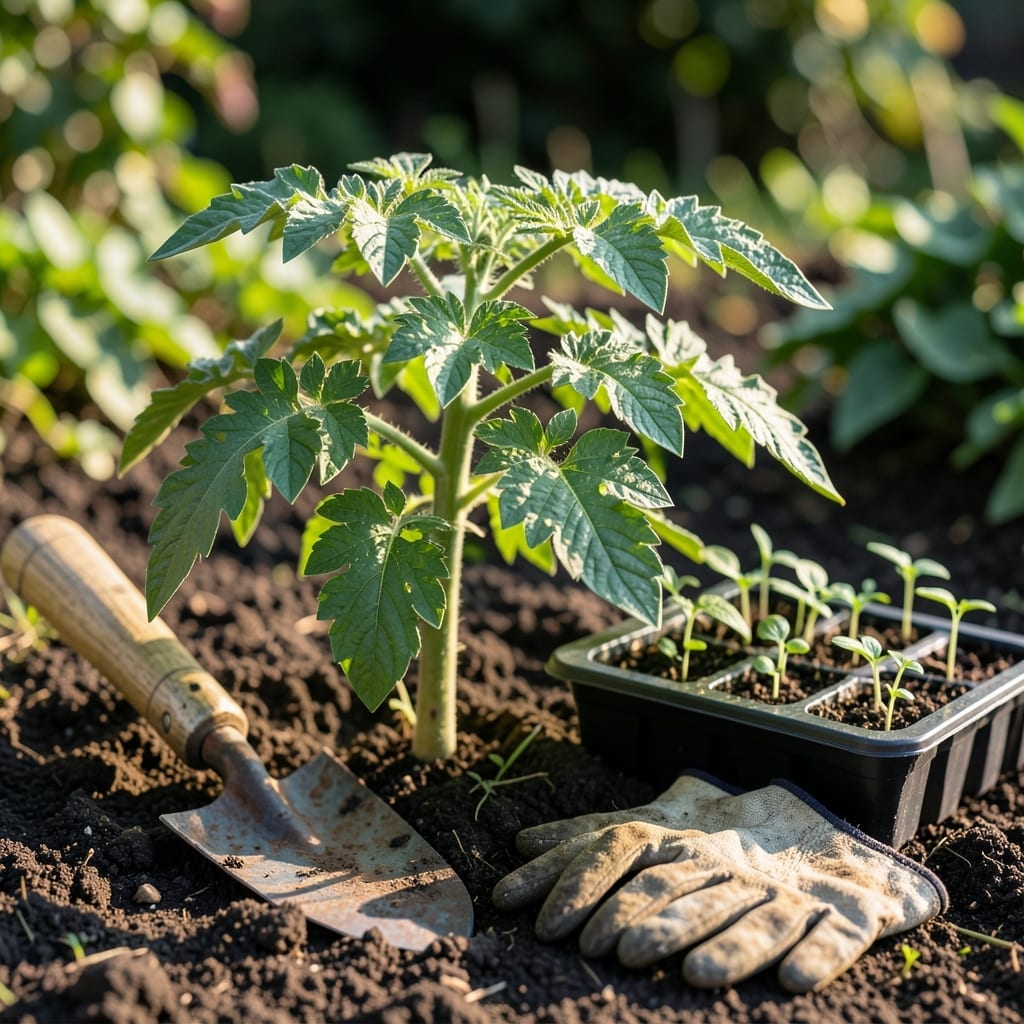
Timing is everything when it comes to growing a thriving vegetable garden in North Florida. With its humid subtropical climate and USDA Zone 8b-9a designation, knowing exactly when to plant can mean the difference between success and struggle.
The 🥕 Vegetables you love to grow have specific windows where they’ll flourish best. Plant too early or too late, and you risk losing your crop to frost or scorching heat.
I’ve spent years fine-tuning the perfect schedule for this region. Whether you’re a seasoned gardener or just starting out, getting the timing right will set you up for a bountiful harvest.
Discover the ideal months to plant your favorite Vegetables and why these specific windows work so well in North Florida’s unique climate.
North Florida’s Zone 8b climate offers a long growing season, but timing is critical. Our last frost date is around February 15, while the first frost hits near November 15. This gives us about 280 frost-free days to work with.
I’ve found that splitting the year into cool-season and warm-season planting windows works best. Cool-season crops thrive from August to March, while warm-season varieties prefer March to August. This balance prevents heat stress and frost damage.
| Season | Planting Months | Key Vegetables | Notes |
|---|---|---|---|
| Cool-Season | Aug–Oct, Jan–Feb | Collards, Kale, Broccoli | Avoid hard freezes |
| Warm-Season | Mar–Apr, Jul–Aug | Tomatoes, Peppers, Okra | Use shade cloth in summer |
For cool-season plants, I start collards and kale in late August to avoid bolting. These hardy greens handle light frosts but need protection from hard freezes. Broccoli and cabbage also do well in this window.
Warm-season favorites like tomatoes and peppers go in after the last frost. I’ve learned to wait until soil temps hit at least 60°F for best germination. Planting too early risks stunted growth from cold shock.
Our summer heat can be brutal, so I use shade cloth for delicate plants like lettuce. Okra and sweet potatoes thrive in the heat, but even they need consistent watering to prevent stress.
Don’t overlook succession planting. For bush beans, I sow new seeds every 2 weeks from March to September. This keeps my harvest steady instead of overwhelming me with a single large crop.
Soil prep is key year-round. I amend beds with compost before each planting window. In North Florida, our sandy soil drains fast, so I mix in organic matter to retain moisture.
Pest pressure peaks in summer, so I plant marigolds near my veggies to deter pests. Row covers help protect young plants from cabbage moths and aphids without chemicals.
Finally, always check the 10-day forecast before planting. A surprise cold snap in March or an early fall frost can wipe out tender seedlings. I keep frost blankets handy just in case.
With this schedule, I’ve turned my North Florida garden into a year-round food source. The key is working with the seasons, not against them 🌱
North Florida’s Zone 8b climate is perfect for growing a diverse vegetable garden. I’ve found that tomatoes and peppers thrive when planted in late February to early March. This timing avoids the last frost while capitalizing on warming soils.
For cool-season crops like collards and kale, aim for August to September plantings. These hardy greens handle light frosts and sweeten with cooler temps. I always use shade cloth to protect young plants from summer heat before transplanting.
I’ve learned that beans and squash are double-crop winners in North Florida. Plant them in spring and again in late summer for two harvests. They grow quickly in warm soil and tolerate our humid conditions well.
Don’t overlook leafy greens like lettuce and spinach. These prefer cooler temps, so I plant them in early spring or fall. Use row covers to extend the season if unexpected cold snaps occur.
For heat-loving crops like okra and sweet potatoes, wait until soil temps reach at least 70°F. In North Florida, this usually means mid-April or later. These plants will struggle if planted too early.
Remember, soil preparation is key. I always amend my beds with compost before planting. This improves drainage and fertility, giving your vegetables the best start possible in our sandy soils.
With the right timing and care, your North Florida vegetable garden can produce abundant harvests nearly year-round 🌱