
Beautiful Plants For Your Interior
Beautiful Plants For Your Interior
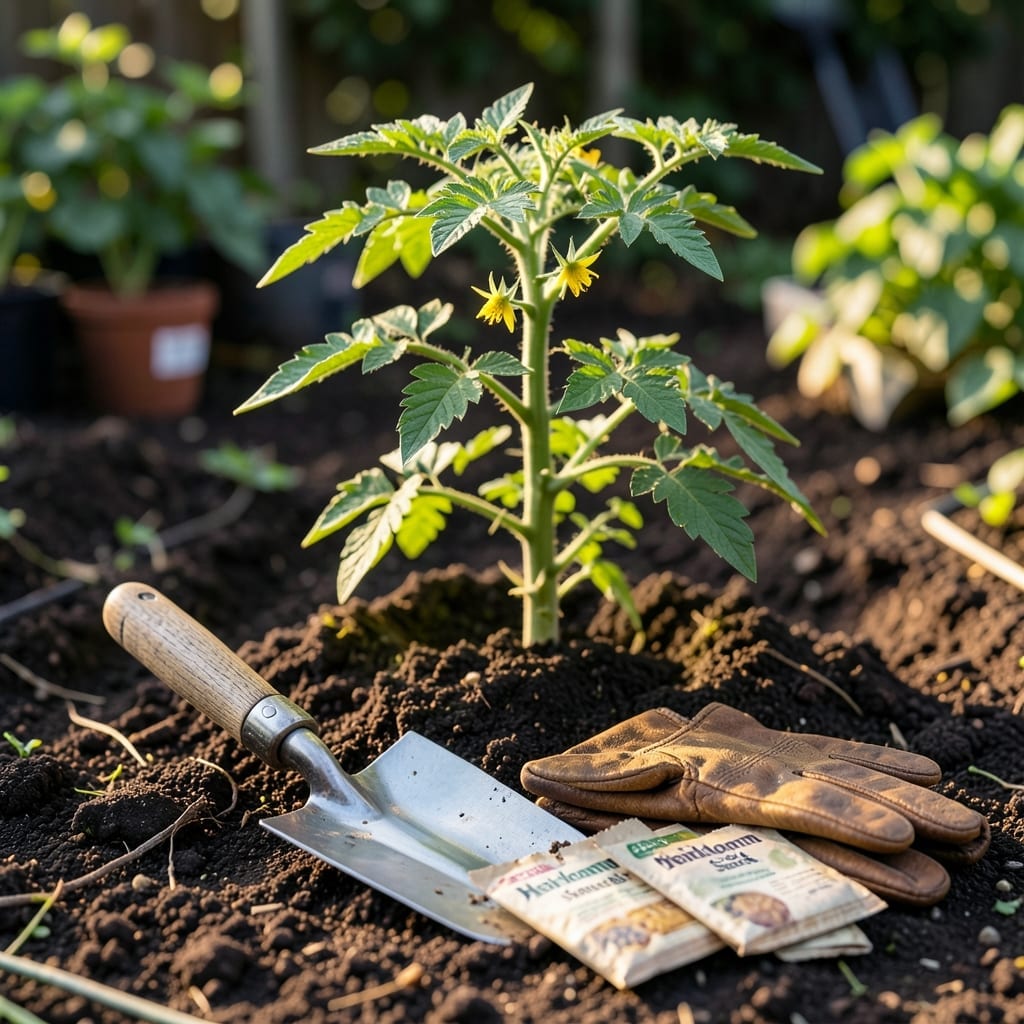
Timing is everything when planting Vegetables in New Hampshire, where short growing seasons and unpredictable weather can make or break your garden. The difference between a bumper crop and a disappointing harvest often comes down to just a few weeks.
I’ve learned through trial and error that New Hampshire’s 4b-5a zones demand precision. Plant too early, and frost might wipe out your seedlings. Wait too long, and you’ll miss the window for a full harvest before fall arrives.
Whether you’re a first-time gardener or a seasoned pro, getting your timing right is the key to success. The good news? With the right schedule, you can maximize your yield and enjoy fresh produce all season long.
Discover the optimal planting windows for your favorite Vegetables and learn how to work with New Hampshire’s unique climate to create your most productive garden yet.
New Hampshire spans USDA zones 3-6, with most gardeners in 4b-5a. This means your last frost date typically falls between May 1-15, while the first frost arrives around October 15.
I always recommend checking your exact zone since coastal areas may have slightly longer seasons. The key is working backwards from frost dates to determine safe planting windows for each vegetable type.
| Zone | Last Frost | First Frost | Growing Season | Start Indoors | Transplant Outdoors |
|---|---|---|---|---|---|
| 3-4 | May 15-31 | Sept 1-15 | 90-120 days | April 1-15 | May 20-June 1 |
| 4b-5a | May 1-15 | Oct 10-20 | 120-150 days | March 15-April 1 | April 20-May 10 |
| 5b-6 | April 15-30 | Oct 20-30 | 150-180 days | March 1-15 | April 10-25 |
For zone 4b-5a gardeners, I start cold-hardy crops like peas and spinach as early as late March under row covers. These can tolerate light frosts and thrive in cool soil.
Warm-season vegetables like tomatoes and peppers must wait until after the last frost. I’ve found that soil temperature is more important than air temperature for these plants.
In cooler zones 3-4, you’ll need to be more conservative. I recommend using black plastic mulch to warm the soil and extend your season by a few precious weeks.
Succession planting is crucial in NH. After harvesting early lettuce, I immediately plant bush beans or carrots to maximize my limited growing window. This technique can double your harvest.
For fall crops, count backwards from your first frost date. Kale and Brussels sprouts actually taste sweeter after a light frost, so I plant them in mid-summer for a late fall harvest.
Remember that microclimates matter. A south-facing slope or urban heat island might allow you to plant 1-2 weeks earlier than the general dates suggest.
I always keep a garden journal to track my planting dates and weather patterns. This helps me fine-tune my schedule each year for better results 🌱
New Hampshire’s cool spring soil is perfect for growing cold-hardy vegetables that can handle a light frost. These varieties let you start your garden early and enjoy fresh produce before summer heat arrives.
I always begin with peas, kale, spinach, and radishes—they thrive in 40-50°F soil and can be planted as soon as the ground is workable in early spring.
These early starters give you a head start on the growing season. Peas can even be planted in late fall for an early spring harvest if you protect them with mulch.
For best results, prepare your soil in advance by adding compost and ensuring good drainage. Cold-hardy crops prefer full sun but will tolerate partial shade in early spring.
With proper care, you’ll be harvesting fresh greens and crisp radishes while other gardeners are just getting started. Early planting also helps avoid pest pressure that comes later in the season
🌱