
Beautiful Plants For Your Interior
Beautiful Plants For Your Interior
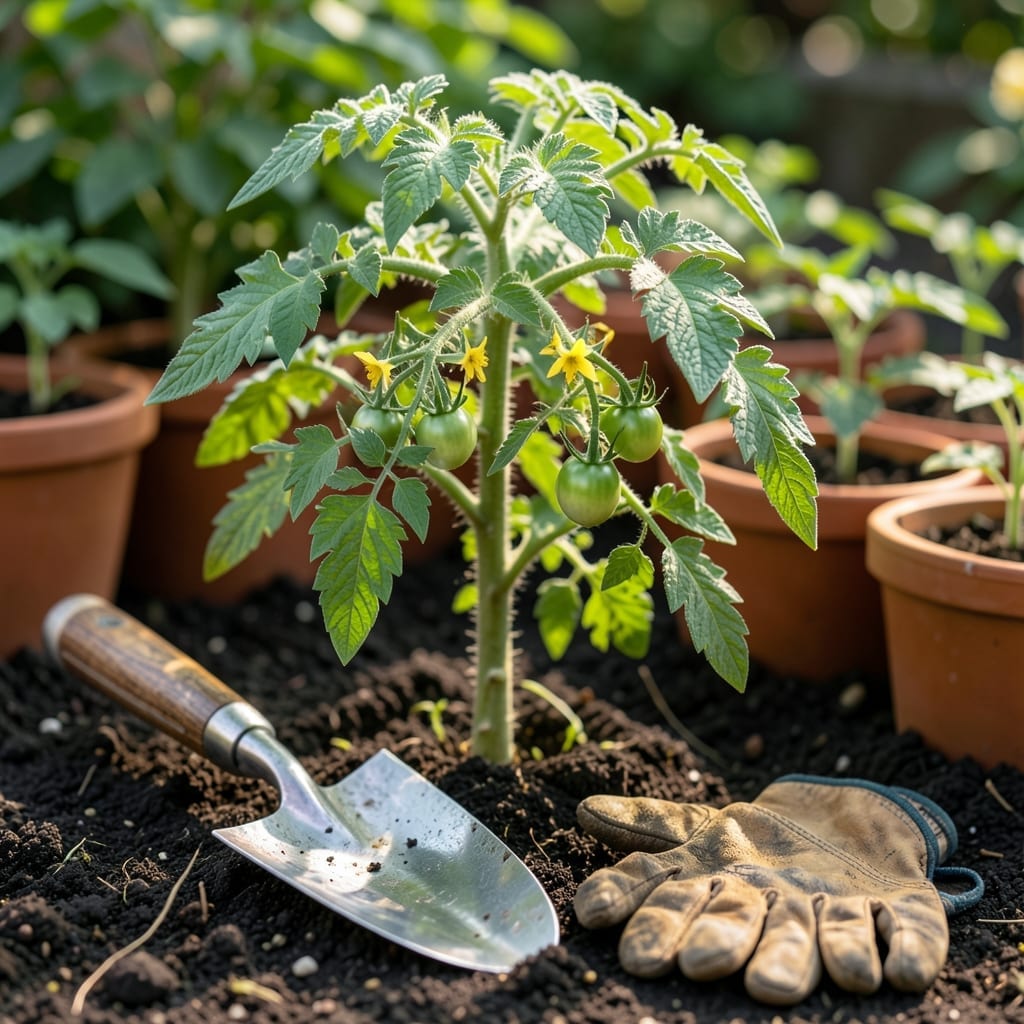
Timing is everything when planting 🥕 Vegetables in New Hampshire’s 4b-5b climate. Start too early, and frost can wipe out your crop. Too late, and you’ll miss the growing season entirely.
I’ve seen gardeners struggle with this balance year after year. The good news? With the right schedule, you can avoid both pitfalls and set yourself up for success.
This guide breaks down the most important planting windows for cool and warm-season crops in your zone. You’ll discover when to get each type in the ground for a thriving harvest.
Whether you’re a beginner or a seasoned gardener, these tips will help you make the most of New Hampshire’s 135 frost-free days.
In New Hampshire’s Zone 5 climate, timing your vegetable planting is crucial for success. The last spring frost typically hits around May 15, while the first fall frost arrives near October 1, giving us about 135 frost-free days to work with.
I divide my planting into cool-season and warm-season crops. Cool-season veggies like peas and lettuce thrive in 40-60°F soil, while warm-season plants like tomatoes need at least 60°F soil to grow well. 🌱
| Vegetable Type | Planting Window | Soil Temp |
|---|---|---|
| Peas, Spinach, Lettuce | Early April – May | 40-60°F |
| Carrots, Beets, Radishes | Mid April – June | 45-75°F |
| Tomatoes, Peppers, Cucumbers | Late May – June | 60-85°F |
| Beans, Corn, Squash | Late May – Early July | 60-85°F |
For early spring planting, I start peas and spinach as soon as the soil can be worked, usually in early April. These cold-hardy crops can tolerate light frosts and even improve in flavor with a touch of cold.
Mid-spring is perfect for carrots, beets, and radishes. I plant these from mid-April through June, ensuring the soil has warmed to at least 45°F for best germination.
Once we pass the last frost date in mid-May, it’s time for warm-season favorites. I plant tomatoes, peppers, and cucumbers when soil temps consistently hit 60°F or higher, usually late May.
Beans, corn, and squash go in last, from late May to early July. These need the warmest soil and can’t tolerate any frost, so I wait until all danger has passed.
For fall harvests, I plant a second crop of cool-season veggies in late July to early August. This gives them time to mature before the first fall frost arrives.
I always use a soil thermometer to check temperatures at 4-inch depth. This takes the guesswork out of planting and helps me avoid costly mistakes with tender seedlings. ☀️
Remember that microclimates can affect these dates. If you’re in a low-lying area or near a body of water, your planting windows might shift by a week or two. 🌿
In New Hampshire, our last spring frost typically falls around May 15, while the first fall frost arrives near October 1. These dates create a 135-day growing window that I plan my entire season around.
I always check local weather patterns and soil temperatures to fine-tune these dates for my specific area. Even a few miles can make a difference in our varied Zone 5 climate. 🌱
For early spring planting, I rely on season extension tools like row covers and cloches. These protect tender seedlings from late frosts while allowing sunlight and water to reach the plants.
Cold frames are another game-changer in my garden. I use them to start cold-hardy crops like spinach and lettuce up to 6 weeks earlier than I could in open ground.
I also prioritize fast-maturing varieties for our short season. Look for tomato varieties that mature in 60-70 days or corn that’s ready in 70 days to ensure a harvest before fall frost.
Succession planting keeps my garden productive all season. I plant radishes every 2 weeks and bush beans every 3 weeks for continuous harvests. This technique maximizes our limited growing window. ☀️