
Beautiful Plants For Your Interior
Beautiful Plants For Your Interior
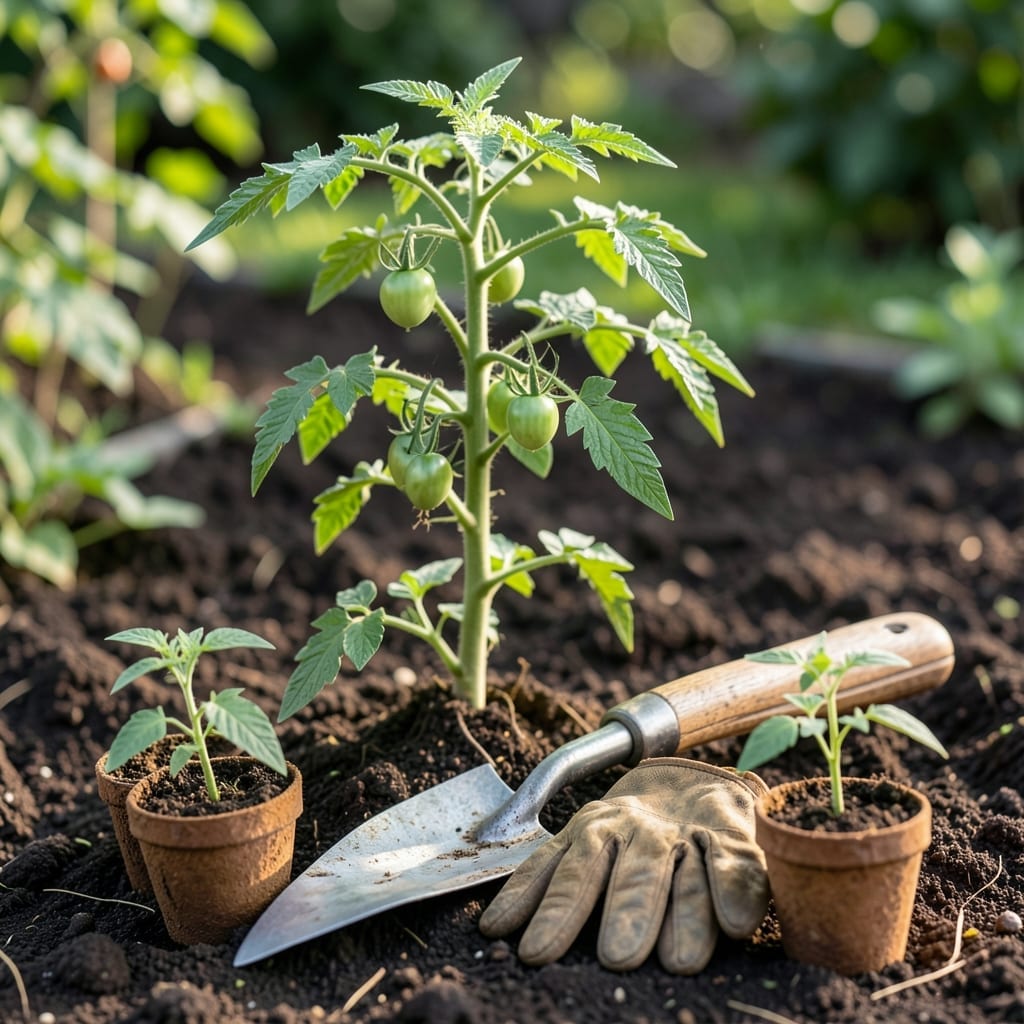
Timing is everything when planting Vegetables in Nebraska’s Zone 5a-6b climate—plant too early and frost may ruin your crop; too late, and you’ll miss the optimal growing window.
This guide helps you nail the perfect schedule for a bountiful harvest. Whether you’re a seasoned gardener or just starting out, understanding Nebraska’s unique growing conditions is the key to success.
From cool-season crops to warm-season favorites, I’ll walk you through when to get each type of Vegetables 🥕 in the ground. You’ll discover how to work with Nebraska’s frost dates and soil temperatures.
Let’s make this your most productive growing season yet with a clear, actionable planting calendar tailored just for you.
Nebraska’s Zone 5 climate means we need to time our vegetable planting carefully to avoid frost damage. The last frost date typically falls between April 15 and May 1, but this can vary by location.
I always recommend checking your local soil temperature before planting. Cool-season crops like peas and lettuce thrive when soil reaches 50°F, while warm-season vegetables need at least 60°F.
| Vegetable Type | Planting Time | Soil Temp |
|---|---|---|
| Peas | Early April | 40-50°F |
| Lettuce | Mid April | 45-55°F |
| Tomatoes | Mid May | 60-70°F |
| Peppers | Late May | 65-75°F |
| Cucumbers | Late May | 60-70°F |
For cool-season vegetables, I start peas and spinach as soon as the soil is workable in early spring. These can tolerate light frosts, making them perfect for Nebraska’s unpredictable springs.
Warm-season crops like tomatoes and peppers must wait until all frost danger has passed. In most of Nebraska, this means mid-to-late May, but I always keep an eye on the 10-day forecast.
Don’t forget about succession planting for crops like beans and carrots. I plant a new batch every 2-3 weeks to extend my harvest season well into fall.
For fall harvests, I count backward from our first frost date (around October 15). Broccoli and kale can be started in late July for a October harvest.
Soil preparation is just as important as timing. I always test my soil in early spring and amend with compost or aged manure before planting. This gives my vegetables the best start possible.
Remember that microclimates can affect planting times. Urban areas may warm up 1-2 weeks earlier than rural locations. I keep a garden journal to track what works best in my specific spot.
With this planting calendar and a little observation, you’ll be harvesting fresh Nebraska-grown vegetables all season long 🌱
In Nebraska’s Zone 5, knowing your last frost date is crucial for planting success. Most of the state sees its final spring frost between April 15 and May 1, but this can shift by a week or two depending on your exact location.
Urban areas like Omaha or Lincoln often warm up faster than rural spots, thanks to the heat island effect. Higher elevations in western Nebraska may experience frost later into spring.
🌱 Nebraska Frost Tip: Always check your local last frost date and adjust planting by 1-2 weeks based on microclimate conditions.
I always recommend using a soil thermometer to confirm conditions. Cool-season crops like peas and lettuce can go in when soil hits 50°F, while warm-season plants need 60°F or higher.
Elevation plays a role too—every 1,000 feet of rise can delay your planting by about 3-5 days. If you’re in the Panhandle, expect a shorter growing season than central or eastern Nebraska.
For frost-sensitive plants like tomatoes and peppers, wait until at least 2 weeks after your last frost date. I’ve learned the hard way that an unexpected late frost can wipe out tender seedlings overnight.
Microclimates can also be created in your own yard. South-facing walls or paved areas absorb heat during the day and radiate it at night, creating warmer pockets for early planting.
Always keep an eye on the 10-day forecast before planting. A sudden cold snap can set you back, but with these adjustments, you’ll maximize your growing window and harvest potential. ☀️