
Beautiful Plants For Your Interior
Beautiful Plants For Your Interior
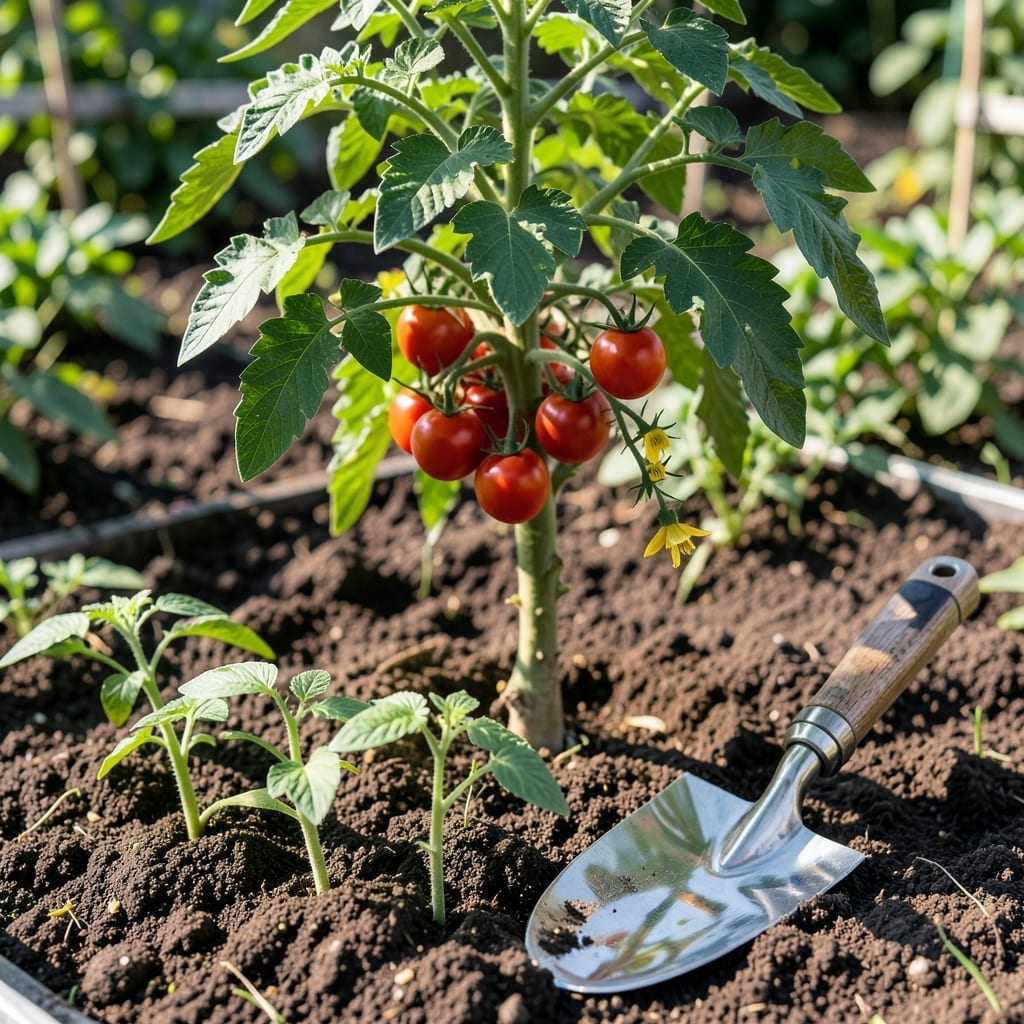
Louisiana’s humid subtropical climate offers gardeners a long growing season—but timing is everything. Plant too early, and a late frost can wipe out your 🥕 Vegetables.
Plant too late, and the summer heat may scorch your harvest before it even begins. Getting it just right means the difference between a thriving garden and a frustrating flop.
I’ve learned that February through April and August through October are the sweet spots for most crops in zones 8a-9b.
Discover how to align your planting calendar with Louisiana’s unique weather patterns for a bountiful harvest every time.
Louisiana’s unique climate means planting windows vary by region. In North Louisiana (Zone 7-8), spring planting starts mid-March, while South Louisiana (Zone 9) can begin early February for heat-loving crops.
For fall planting, start seeds 6-8 weeks before the first frost. In Zone 9, this means late August for greens. Cool-season crops like lettuce thrive in milder temperatures.
| Season | Region | Planting Window | Key Crops |
|---|---|---|---|
| Spring | North LA | Mid-March to April | Tomatoes, Peppers |
| Spring | South LA | Early February to March | Okra, Eggplant |
| Fall | North LA | Late August to September | Broccoli, Carrots |
| Fall | South LA | September to October | Kale, Lettuce |
In Zone 8, tomatoes and peppers do best when planted after the last frost, typically March 15. I always harden off seedlings before transplanting to avoid shock.
Summer heat can be brutal, so I focus on heat-tolerant varieties like okra and sweet potatoes. These thrive in 90°F+ temperatures and high humidity common in Louisiana.
For cool-season crops, timing is critical. Plant lettuce and spinach in early spring or late fall to avoid bolting. I use shade cloth to extend the season.
Soil temperature matters too. Warm-season crops need soil at least 60°F. I use a soil thermometer to check before planting beans or corn.
In South Louisiana, hurricane season can disrupt planting. I always check the forecast and secure young plants if storms are predicted. Container gardening offers flexibility to move plants indoors.
For fall crops, I start transplants indoors in July for broccoli and cabbage. This gives them a head start before the cool weather arrives.
Remember, Louisiana’s long growing season allows for succession planting. I plant bush beans every 2 weeks for a continuous harvest. 🌱
Finally, local frost dates are just guidelines. I watch the weather closely and use row covers to protect tender plants from unexpected cold snaps.
With the right timing, you can enjoy fresh vegetables nearly year-round in Louisiana. 🌿
Louisiana summers are brutal, but some vegetables thrive in the heat. I’ve found that okra, sweet potatoes, and southern peas handle the humidity and high temps like champs.
These varieties don’t just survive—they produce abundant harvests when others wilt. The key is choosing heat-loving plants and giving them consistent moisture without overwatering. ☀️
For okra, I recommend ‘Clemson Spineless’ for its tender pods and disease resistance. It’s a staple in my summer garden and drought-tolerant once established.
Sweet potatoes need loose, well-drained soil. I plant slips 12-18 inches apart and mulch heavily to retain moisture and suppress weeds.
Southern peas, like ‘Purple Hull’, are a low-maintenance choice. They fix nitrogen in the soil, improving conditions for future crops. 🌱
Don’t forget eggplant and peppers—both love the heat but need consistent watering. I use drip irrigation to keep foliage dry and prevent disease.
With these heat-tolerant varieties, you can keep your garden productive all summer long, even when temperatures soar above 90°F. 🌿