
Beautiful Plants For Your Interior
Beautiful Plants For Your Interior
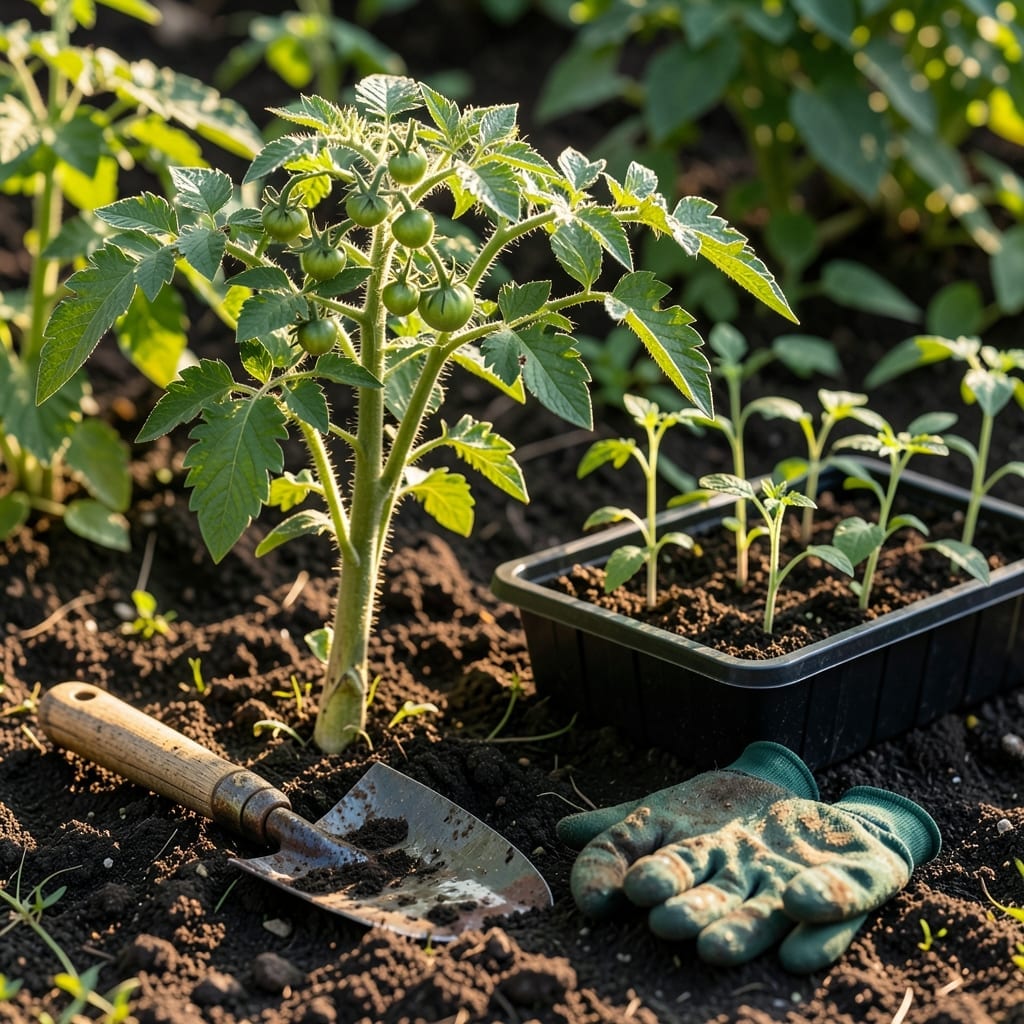
Timing is everything when planting Vegetables in Kansas—plant too early and frost may kill your seedlings, too late and summer heat can stunt their growth.
I’ve seen gardeners struggle with this balance for years. The key is understanding your local climate and frost dates. In zones 5b-6b, the window is tight but rewarding.
Whether you’re a seasoned gardener or just starting out, getting the timing right can make or break your harvest. Let me walk you through the most important factors.
From cool-season crops to warm-season favorites, I’ll show you exactly when to get those seeds in the ground for a bountiful 🥕 harvest.
Kansas spans USDA hardiness zones 5b to 7, meaning frost dates vary significantly across the state. I’ve found that last frost dates range from mid-April in the southeast to early May in the northwest. These dates are critical for timing your vegetable planting schedule.
Urban areas like Wichita and Kansas City often experience slightly warmer microclimates, allowing for earlier planting by a week or two. Rural regions, however, may have later frost dates and cooler soil temperatures, which can delay planting.
| Region | USDA Zone | Last Frost Date | First Frost Date |
|---|---|---|---|
| Northeast Kansas | 6a | April 15 | October 15 |
| Southeast Kansas | 7 | April 1 | October 25 |
| Central Kansas | 5b-6b | April 20 | October 10 |
| Western Kansas | 5b | May 1 | October 1 |
Soil temperature is another key factor I always check. Cool-season crops like lettuce and peas can tolerate soil temps as low as 40°F, but warm-season crops such as tomatoes and peppers need at least 60°F to thrive.
In my experience, using a soil thermometer takes the guesswork out of planting. I’ve seen many gardeners rush to plant tomatoes in early April, only to lose them to a late frost. Patience and precision pay off in Kansas.
For urban gardeners, heat islands can extend the growing season. I recommend starting cool-season crops like spinach and kale in early March in protected areas. This gives you a head start before the summer heat sets in.
Rural gardeners should wait until soil temperatures consistently reach the required thresholds. I’ve learned that planting too early in colder zones often leads to stunted growth or seed rot, which can set your garden back weeks.
Kansas also has microclimates influenced by elevation and proximity to water. Areas near rivers or lakes may have slightly different frost dates. I always suggest checking local weather records for the most accurate planting windows.
Another tip I swear by is using frost cloth or row covers to protect early plantings. This can buy you an extra 2-3 weeks of growing time in spring and fall, which is invaluable for season extension.
Remember, these dates are averages. I’ve had years where a late frost hit in mid-May, so always keep an eye on the forecast. Adaptability is key to successful vegetable gardening in Kansas. ☀️
In Kansas, timing your vegetable planting right means understanding the cool-season vs. warm-season divide. I always start peas and spinach in early March, as they thrive in cooler temps.
For warm-season crops like tomatoes and peppers, wait until after the last frost—typically mid-April in most areas. This ensures your seedlings won’t be damaged by a late cold snap.
🌱 Cool-Season vs. Warm-Season Planting
| Type | Examples | Planting Window |
|---|---|---|
| Cool-Season | Lettuce, Peas, Spinach | March-April, August-Sept |
| Warm-Season | Tomatoes, Peppers, Corn | May-June |
I’ve found that succession planting works wonders for beans and carrots. Plant a new batch every 2-3 weeks to extend your harvest through early fall.
Don’t overlook soil temperature—it’s just as important as air temps. Corn and beans need soil at least 60°F to germinate properly. A soil thermometer is a game-changer here.
For fall crops like kale and broccoli, start seeds indoors in July or direct-sow in late August. This gives them time to mature before the first frost in October.
If you’re in Zone 5b, your growing season is shorter, so prioritize fast-maturing varieties. In Zone 6b, you can push planting dates a bit earlier with row covers for protection.
Always check local weather forecasts and adjust as needed—Kansas weather can be unpredictable! 🌱