
Beautiful Plants For Your Interior
Beautiful Plants For Your Interior
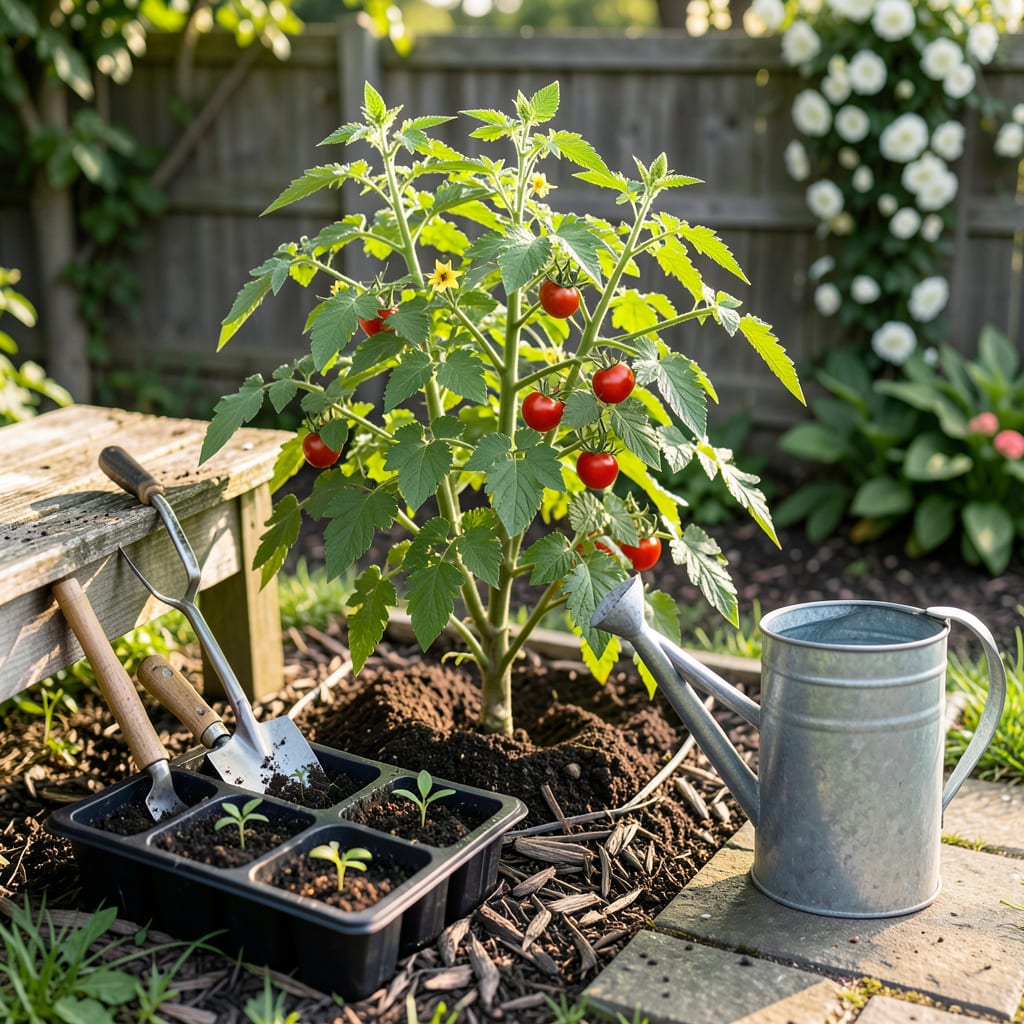
Florida’s growing season is a gardener’s dream—if you know the secrets. Plant your 🌱 vegetables too early, and a late frost might wipe them out. Wait too long, and the brutal summer heat could fry your crops before they even take root.
I’ve spent years testing the perfect timing for Florida’s unique zones, from the panhandle to the Keys. The good news? With the right schedule, you can harvest fresh produce nearly year-round. Let me show you exactly when to get those seeds in the ground.
If you’ve ever tried planting tomatoes in July or lettuce in September, you know Florida’s climate doesn’t play by the rules. The key to success? Timing varies wildly between North Florida (Zone 8a-9a), Central Florida (Zone 9b-10a), and South Florida (Zone 10b-11a). What thrives in Tallahassee’s winters might fry in Miami’s summer heat.
I’ll break down the exact months to plant 20+ popular vegetables, accounting for frost dates, humidity spikes, and even hurricane season prep. First, let’s tackle the biggest question: When’s your last frost? In North Florida, it’s as late as March 15—but South Florida? You might never see frost at all.
| Vegetable | North Florida (8a-9a) |
Central Florida (9b-10a) |
South Florida (10b-11a) |
Notes |
|---|---|---|---|---|
| Tomatoes | Feb–Mar, Aug–Sep | Jan–Feb, Sep–Oct | Oct–Nov, Jan | Avoid summer heat—fruits won’t set above 90°F. |
| Peppers | Mar–Apr, Jul–Aug | Feb–Mar, Aug–Sep | Year-round (best Oct–Feb) | Heat-loving but needs consistent water in dry spells. |
| Lettuce | Sep–Feb | Oct–Mar | Nov–Feb | Bolts fast in heat—use shade cloth to extend season. |
| Cucumbers | Mar–Apr, Aug | Feb–Mar, Sep | Oct–Mar | Trellis to prevent rot in humid summers. |
| Okra | Apr–Jun | Mar–May | Year-round | Drought-tolerant—perfect for sandy soil. |
✅ Pro Tip: Adjust dates by 2–3 weeks for coastal vs. inland areas.
Notice how South Florida can grow okra year-round, but North Florida gardeners must plant it by June? That’s because USDA Zone 11a has no frost, while Zone 8a can dip to 10°F in winter. Even Central Florida (think Orlando) has a shorter cool season than Tallahassee.
For cool-season crops like broccoli or carrots, North Florida gardeners get a head start in September, while Miami gardeners might wait until November. The trick? Watch the soil temperature—not just the calendar. 60°F+ is ideal for most seeds.
Here’s a rule I swear by: Plant tomatoes when night temps stay above 50°F. In South Florida, that’s October; in North Florida, wait until March. And never plant beans in July—they’ll refuse to germinate in hot soil.
Don’t forget succession planting! In Central Florida, I sow bush beans every 3 weeks from February to April
Florida’s summer heat can feel like a gardener’s nightmare—90°F+ temps, daily thunderstorms, and humidity that makes pests thrive. But here’s the secret: Some vegetables love this weather. I’ve tested dozens, and these five heat warriors consistently outperform the rest.
The key? Plant them at the right time—usually June through August—and give them extra water during dry spells. Most importantly, avoid overhead watering to prevent fungal diseases in this high-humidity climate.
💡 Pro Tip: Use mulch to retain moisture and suppress weeds in summer.
Take okra, for example. This drought-tolerant powerhouse grows 6+ feet tall in Florida’s heat. I plant mine in full sun with minimal water—they’re practically maintenance-free. The pods are ready to harvest in just 2 months, and they keep producing until frost (if you’re in North/Central Florida).
Sweet potatoes are another summer superstar. Unlike regular potatoes, they love the heat and actually develop more sugar in hot weather. Plant slips (not seeds) in May or June, and you’ll have a bountiful harvest by October. They’re also great for improving soil—their vines suppress weeds naturally.
If you’re dealing with pesty insects, Southern peas (cowpeas) are your best friend. They fix nitrogen in the soil, repel nematodes, and produce protein-rich peas even in 100°F heat. I plant a new batch every 3 weeks from June to August for a continuous harvest.
For shady spots, try Malabar spinach—it’s not true spinach but thrives in partial shade and high humidity. The thick, succulent leaves are perfect for stir-fries (yes, even in Florida’s heat!). Plant transplants in June for a fall harvest.
Remember: Summer gardening in Florida isn’t about fighting the heat—it’s about working with it. Choose the right varieties, plant at the optimal time, and protect your soil with mulch. With these strategies, you’ll be harvesting fresh veggies while everyone else’s garden wilts! 🌱
Even experienced gardeners in Florida can get tripped up by our unpredictable climate. I’ve seen tomato plants wilt in July heat and lettuce bolt overnight when planted too late. The biggest mistake? Assuming Florida has one planting season—it doesn’t!
Our state has three distinct growing zones, and what works in Miami (Zone 11a) might fail in Tallahassee (Zone 8a). Let’s tackle the top 5 timing blunders I see most often—and how to fix them.
💡 Quick Fix: Use the UF/IFAS planting guide for hyper-local advice.
One of the costliest mistakes? Misjudging frost dates. In North Florida, the last frost can hit as late as March 15, while Central Florida might see it in early February. I once lost an entire bed of pepper seedlings by planting them too early—a $50 lesson!
Another common issue: Planting heat-sensitive crops like spinach or peas in spring. By the time they mature, Florida’s summer heat hits, causing them to bolt or rot. Instead, plant them in fall for a winter harvest.
Here’s a pro trick: Use Florida’s “second spring” in September–October. After the summer rains taper off, the weather cools slightly—perfect for replanting tomatoes, peppers, and herbs. I call it my “fall reboot”!
Finally, don’t trust generic planting calendars. Florida’s humidity and sudden storms can derail even the best-laid plans. Keep a garden journal to track what works in your exact location—your future self will thank you! 🌱
Check the USDA Plant Hardiness Zone Map—Florida spans Zones 8a to 11a. North Florida (Tallahassee, Jacksonville) is typically 8a-9a, Central (Orlando, Tampa) is 9b-10a, and South Florida (Miami, Key West) is 10b-11a. Your zone determines frost risk and ideal planting windows.
In South Florida (Zones 10b-11a), yes! Cool-season crops like lettuce thrive November–February, while heat-lovers like okra grow year-round. North/Central Florida has shorter windows—focus on fall/winter for cool crops and spring/early summer for warm-season varieties.
Planting by calendar dates instead of soil temperature. Florida’s sandy soil heats up fast—beans won’t germinate above 85°F, and tomatoes fail to set fruit above 90°F. Always use a soil thermometer and adjust for microclimates (coastal vs. inland). A $10 tool can save your entire crop!
Begin 6–8 weeks before your last frost date. In North Florida, start tomatoes/peppers indoors by late January for March transplanting. Central/South Florida gardeners can start earlier—December for February transplants. Use grow lights to prevent leggy seedlings.
Avoid planting tall crops (corn, sunflowers) in August–September—they’re vulnerable to wind damage. Instead, focus on low-growing veggies like bush beans or sweet potatoes during hurricane season. After a storm, test soil for salt contamination (common in coastal areas) before replanting.
