
Beautiful Plants For Your Interior
Beautiful Plants For Your Interior
Timing is everything when it comes to growing 🥕 Vegetables in East Tennessee. This Zone 7a region has a unique climate that demands precise planning for the best results.
Plant too early, and a late frost might wipe out your efforts. Wait too long, and you could miss the ideal window for a bountiful harvest. The difference between success and struggle often comes down to a few well-timed weeks.
I’ve learned through experience that understanding our local seasons is the key to thriving crops. From cool spring mornings to warm summer afternoons, each period offers distinct opportunities.
Discover how to align your planting with East Tennessee’s rhythm. The right schedule can transform your garden from average to exceptional, and I’m here to show you exactly how.
In East Tennessee’s Zone 7, the planting window is generous but precise. I always start cool-season crops like lettuce and kale in early March, about 4-6 weeks before our last frost on April 15. This gives them time to establish before summer heat arrives.
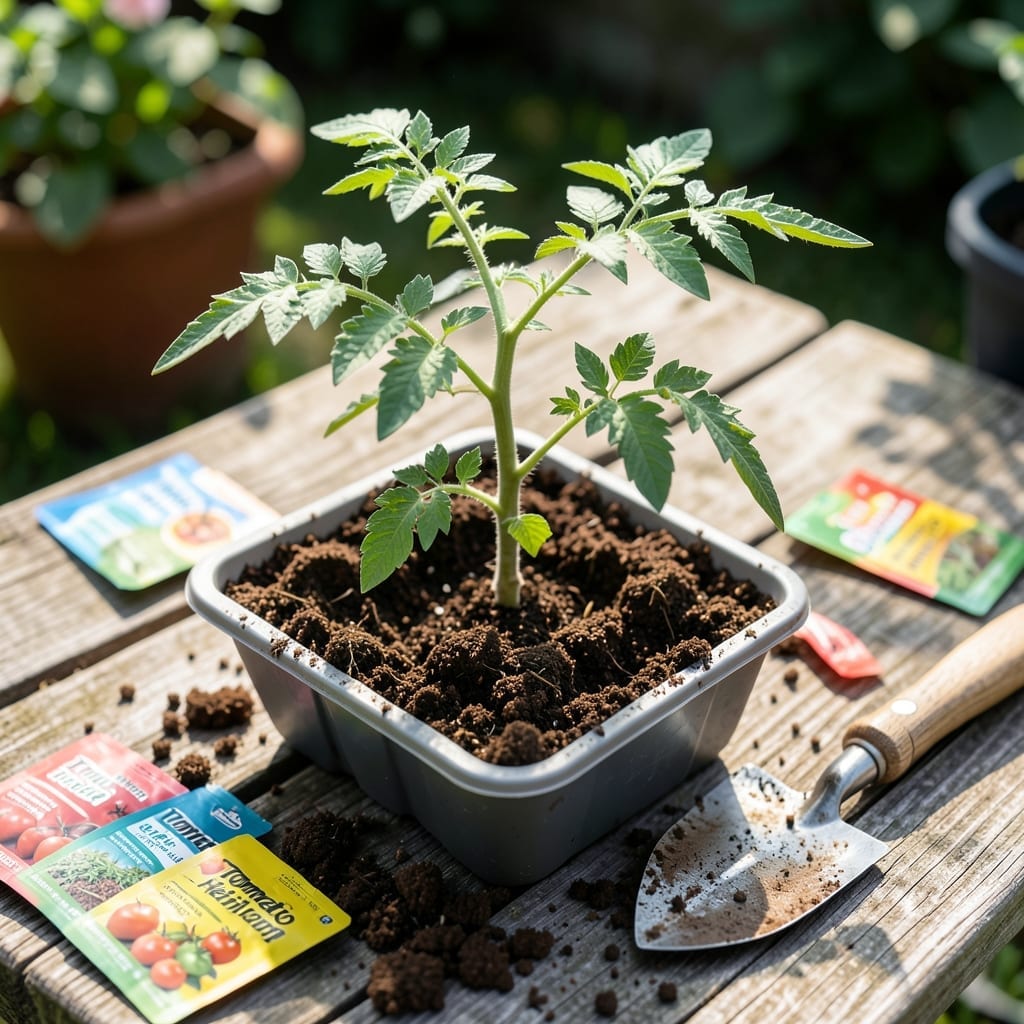
The key is watching soil temperature. I never plant warm-season vegetables like tomatoes or peppers until the soil hits 60°F, usually after April 15. This prevents stunted growth from cold shock.
| Season | Vegetables | Planting Time |
|---|---|---|
| Spring | Lettuce, Spinach, Peas | March to early April |
| Spring | Tomatoes, Peppers, Beans | After April 15 |
| Summer | Cucumbers, Squash | May to June |
| Fall | Broccoli, Carrots | August to September |
For fall planting, I aim to get broccoli and carrots in the ground by mid-August. This ensures they mature before our first frost around October 15. I use a soil thermometer to confirm temperatures are still warm enough for germination.
Succession planting is my secret weapon in Zone 7. I sow bush beans every 2 weeks from May to July for continuous harvests. This works because our growing season is a solid 180 days long.
I always mark my frost dates on the calendar: April 15 and October 15. These are the bookends for safe planting. Between these dates, I can grow almost anything, from fast-maturing radishes to slow-growing pumpkins.
For warm-season crops, I wait until night temperatures stay above 50°F. This usually happens in late April. I once planted cucumbers too early, and they just sat there until the soil warmed up—lesson learned!
I also pay attention to moon phases. While not scientifically proven, many gardeners (including me) swear by planting root crops during the waning moon and above-ground crops during the waxing moon. It’s an old tradition that costs nothing to try.
Don’t forget about soil preparation. I always work in compost before planting, especially for heavy feeders like corn and squash. This gives them the nutrient boost they need for our long growing season.
Finally, I keep a garden journal to track what works. Last year, my June-planted okra thrived in the heat, while my July-planted lettuce bolted quickly. Adjusting planting times based on experience is the best way to perfect your schedule. ☀️
East Tennessee’s Zone 7 climate offers a long growing season, but choosing the right vegetables for each season is key. I’ve found that cool-season crops thrive in early spring and fall, while warm-season varieties do best after the last frost.
For spring, I recommend planting lettuce, spinach, and peas as soon as the soil can be worked. These can handle light frosts and will give you an early harvest before summer heat sets in.
Summer is perfect for heat-loving plants like tomatoes, peppers, and okra. I always wait until after April 15, our average last frost date, to plant these. The soil needs to be warm, at least 60°F, for best germination.
For fall crops, I start planting kale, carrots, and radishes in late summer. These can handle light frosts and actually taste sweeter after a cold snap. Just
Don’t forget about succession planting for continuous harvests. I plant bush beans every two weeks in summer and lettuce every three weeks in spring and fall for a steady supply.
Remember, East Tennessee’s 180 frost-free days give you plenty of time for multiple crops. With proper timing and variety selection, you can enjoy fresh vegetables from early spring through late fall.
I always keep a garden journal to track what works best in my specific microclimate 🌱