
Beautiful Plants For Your Interior
Beautiful Plants For Your Interior
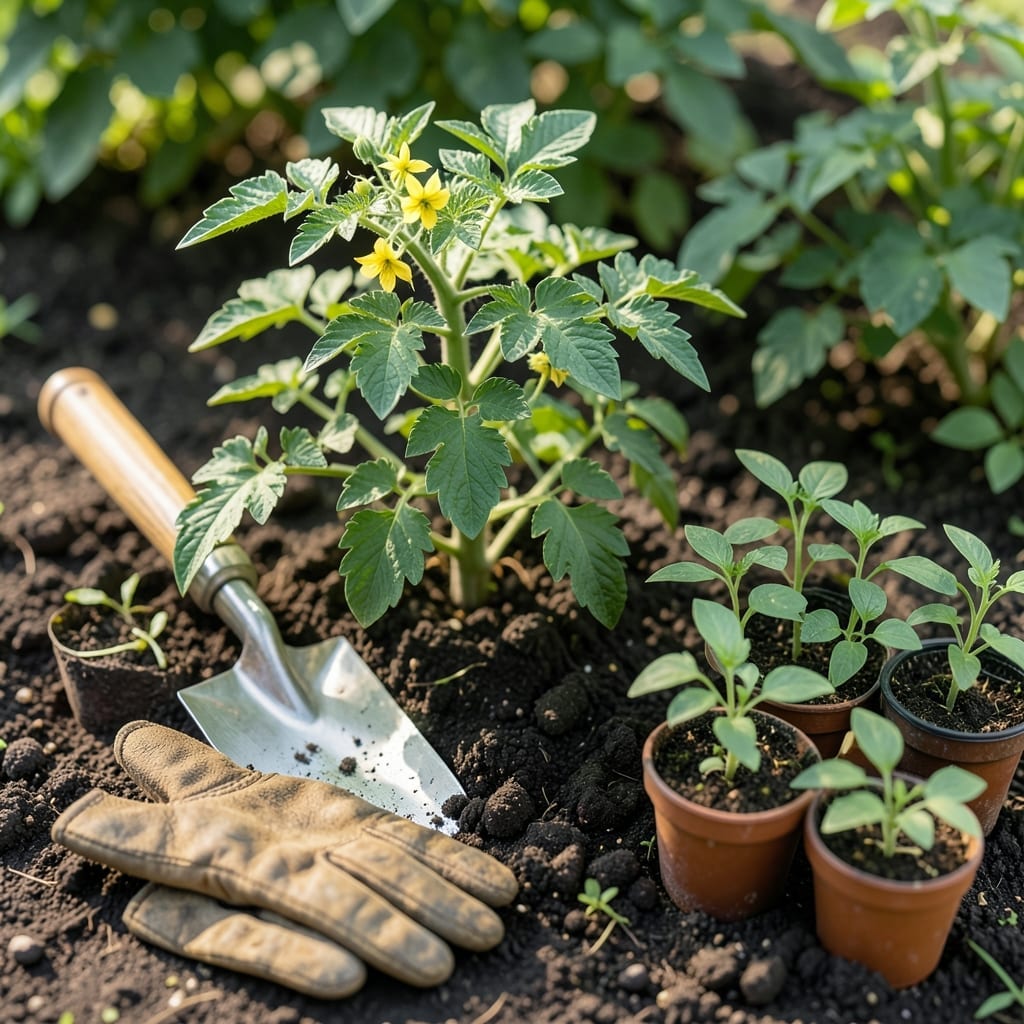
Timing is everything when planting Vegetables 🥕 in Delaware, where the state’s unique hardiness zones and seasonal shifts can make or break your harvest.
Whether you’re a first-time gardener or a seasoned pro, knowing the right planting windows ensures healthy crops and bountiful yields.
Delaware’s 7a zone offers distinct advantages, but only if you align your efforts with nature’s calendar. I’ll show you exactly when to get those seeds in the ground.
Discover the simple yet powerful schedule that turns good intentions into thriving gardens, season after season.
Delaware’s USDA zones 7a-7b create a unique planting window for vegetables. I’ve found that cool-season crops thrive when planted 4-6 weeks before the last frost, which typically hits around April 15.
For warm-season vegetables, I wait until the soil warms to 60°F, usually by late April or early May. This timing helps avoid damage from unexpected late frosts.
The first frost in Delaware usually arrives around October 30, giving most warm-season crops plenty of time to mature. I always mark this date on my calendar to plan my fall planting schedule.
For cool-season vegetables, I start seeds indoors in late February for an early harvest. This head start helps me avoid the late spring heat that can bolt crops like spinach and lettuce.
I’ve learned that soil temperature is just as important as air temperature. A soil thermometer is my go-to tool for checking if it’s time to plant warm-season crops like tomatoes and peppers.
Delaware’s growing season averages about 198 days, which is perfect for two harvests of many vegetables. I take advantage of this by planting fast-growing radishes in both spring and fall.
Microclimates can vary significantly across Delaware. I always observe my garden’s specific conditions, as areas near buildings or paved surfaces may warm up faster in spring.
For the best results, I use row covers in early spring to protect tender cool-season crops from unexpected cold snaps. This simple step can extend my growing season by several weeks.
I’ve found that succession planting works wonderfully in Delaware’s climate. By planting new seeds every 2-3 weeks, I can enjoy continuous harvests of bush beans and zucchini throughout the summer.
☀️Delaware’s growing season spans from March to October, with ideal windows shifting between cool-season and warm-season crops. I always start peas and spinach in early March, as they thrive in cooler soil.
By April, I transition to lettuce, carrots, and broccoli, which tolerate Delaware’s spring swings in temperature. These crops establish well before the last frost around April 15
Once May arrives, it’s time for warm-season favorites like tomatoes and peppers. I wait until soil temps hit 60°F to avoid stunting growth. June is perfect for cucumbers and squash, which love the heat.
For fall harvests, I plant radishes and turnips in August. These grow quickly before the first frost near October 30. September is ideal for garlic and onions, which overwinter beautifully.
I always adjust planting dates based on microclimates. Coastal areas may plant 2 weeks earlier, while inland spots might need to wait. Soil tests help me fine-tune my schedule each year.
Finally, I keep a gardening journal to track what works. Delaware’s 198 frost-free days give plenty of time, but timing each crop right makes all the difference. ☀️