
Beautiful Plants For Your Interior
Beautiful Plants For Your Interior
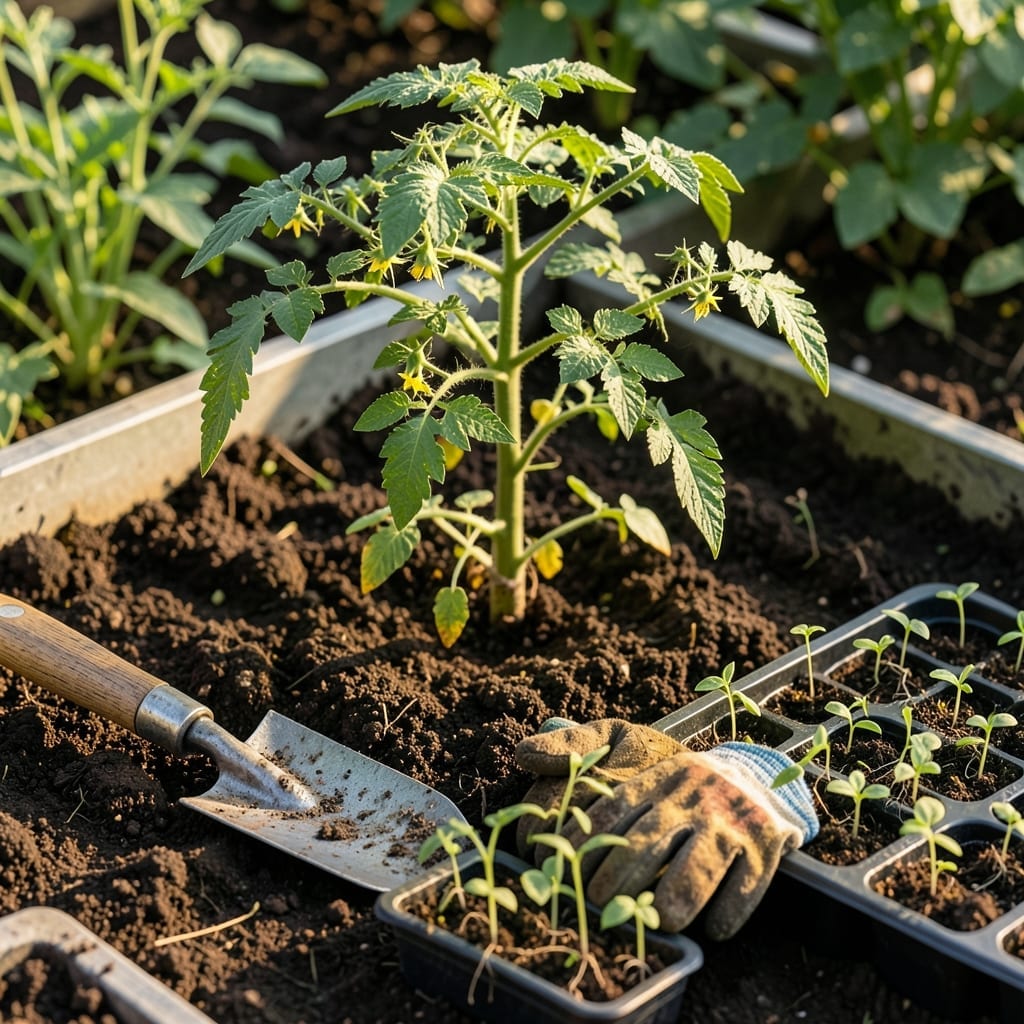
Timing is everything when it comes to planting Vegetables 🥕 in Washington DC. With its Zone 7a climate, knowing the right schedule can mean the difference between a bountiful harvest and a disappointing season.
Whether you’re a seasoned gardener or just starting out, this guide will help you plant at the perfect time for thriving crops. The key is understanding your local frost dates and soil conditions.
I’ll walk you through the most important planting windows for spring and fall, so you can maximize your garden’s potential. From cool-season favorites to warm-weather staples, we’ve got you covered.
Discover how to work with DC’s unique growing season to enjoy fresh Vegetables from your own backyard. Let’s get started on your most productive garden yet.
In Washington DC’s Zone 7, your planting success hinges on understanding the frost dates. Our last frost typically hits around April 15, while the first frost arrives near November 15. This gives you a 180-day growing season to work with.
I always recommend starting cool-season crops like peas and lettuce about 4-6 weeks before the last frost. For warm-season vegetables, wait until the soil temperature reaches at least 60°F.
| Season | Vegetables | Planting Window | Notes |
|---|---|---|---|
| Early Spring | Peas, Spinach, Lettuce | March – Early April | 4-6 weeks before last frost |
| Late Spring | Tomatoes, Peppers, Beans | Mid April – May | After last frost, soil ≥60°F |
| Summer | Cucumbers, Squash | May – June | Warm soil required |
| Fall | Kale, Carrots, Radishes | August – September | 6-8 weeks before first frost |
The soil temperature is just as important as air temperature. I use a soil thermometer to check conditions before planting heat-loving crops like tomatoes and peppers. These need consistent warmth to thrive.
For fall planting, count backward from the first frost date. Kale and spinach can handle light frosts, but I aim to get them established 6-8 weeks before the cold sets in. This timing ensures mature plants before winter.
Don’t forget about succession planting. I plant bush beans every 2 weeks in summer for continuous harvests. This technique works well with lettuce and radishes too, giving you fresh produce throughout the season.
In DC, our microclimates vary significantly. Areas near buildings or paved surfaces tend to be warmer. I’ve found that south-facing slopes warm up faster in spring, perfect for early plantings of cool-season crops.
Consistent moisture is key during germination. I water my seed beds lightly but frequently until the seedlings emerge. Once established, most vegetables need about 1-2 inches of water per week.
Remember that container gardening follows the same timing rules. My potted tomatoes go out after the last frost, just like their in-ground counterparts. The only difference is they may need more frequent watering.
With these Zone 7 guidelines, you’ll maximize your growing season and enjoy fresh vegetables from spring through fall. Happy planting! 🌱
In Washington DC, timing your vegetable planting is all about working with the Zone 7 climate. Early spring is perfect for cool-season crops like peas and lettuce, while late summer sets the stage for fall harvests. 🌱
I’ve found that succession planting keeps my garden productive all season long. Start with spinach and radishes in March, then transition to tomatoes and peppers after the last frost. ☀️
For maximum yield, I recommend planting fast-maturing varieties like radishes or bush beans between slower crops. This way, you’re always harvesting something. 🌿
Don’t forget that soil temperature matters just as much as air temperature. Use a soil thermometer to ensure it’s at least 60°F for warm-season crops like tomatoes. ✂️
Microclimates in your yard can also affect planting times. Areas near south-facing walls or pavement may warm up faster, letting you plant a week or two earlier. 🌡️
Finally, keep a garden journal to track what works best in your space. Over time, you’ll fine-tune your schedule for the most bountiful harvests possible. 🌻