
Beautiful Plants For Your Interior
Beautiful Plants For Your Interior
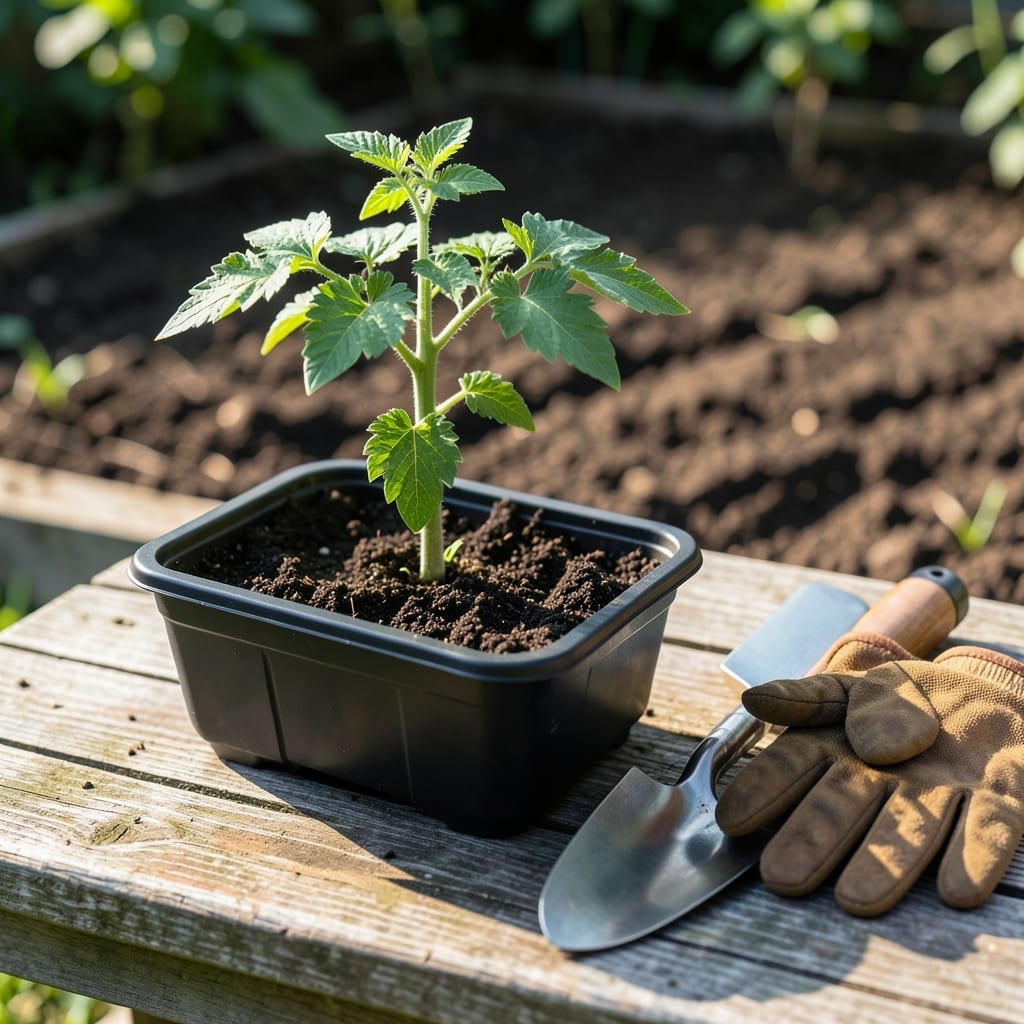
Timing your vegetable planting in Chicago’s Zone 5b climate can make or break your garden’s success. With unpredictable springs and early frosts, knowing the ideal windows for each crop ensures a bountiful harvest.
The 🥕 Vegetables you love thrive when planted at the right moment. From April to June, you’ll find the sweet spot for most varieties, but some need extra warmth or cooler temps to flourish.
I’ve learned the hard way that planting too early or too late can leave you with sad, stunted produce. Let me share the most important timing tips to set you up for success.
Discover the exact windows to plant for a harvest that lasts from June through October. Your garden will thank you.
In Chicago’s Zone 5, timing is everything for a thriving garden. The last frost date is typically mid-May, but soil temperature matters just as much. I always wait until soil hits 50°F for cool-season crops like lettuce and peas.
For warm-season vegetables like tomatoes and peppers, I hold off until soil reaches 60°F and night temps stay above 50°F. This usually means planting after Memorial Day to avoid late frosts.
| Crop Type | Planting Window | Soil Temp |
|---|---|---|
| Cool-Season | Early April–May | 40–50°F |
| Warm-Season | Late May–June | 60–70°F |
| Frost-Sensitive | After last frost | 70°F+ |
I’ve found that leafy greens like spinach and kale tolerate light frosts, so I plant them 4–6 weeks before the last frost. Radishes are another early favorite—they’re ready in just 30 days.
For tomatoes and peppers, I start seeds indoors 6–8 weeks before transplanting. This gives them a head start in our short growing season. Always harden off seedlings before moving them outside.
I avoid planting beans or cucumbers too early—they hate cold soil. Wait until late May when the ground is warm. For succession planting, I sow new batches of lettuce every 2 weeks for continuous harvests.
Carrots and beets can go in early April if the soil is workable. They’ll germinate slowly in cool temps but speed up as it warms. Just keep the soil consistently moist.
I always mark my first frost date—around October 15—on the calendar. This helps me time fall crops like broccoli and Brussels sprouts, which need 80–100 days to mature.
Pro tip: Use a soil thermometer to check temps. It’s more reliable than air temperature for planting decisions. And always have row covers ready for unexpected cold snaps.
With this seasonal approach, I maximize my garden’s potential. Chicago’s climate is challenging, but the right timing makes all the difference. 🌱
Chicago’s Zone 5 climate gives us about 180 frost-free days, but savvy gardeners can stretch this with simple tricks. I’ve found cold frames and row covers let me start cool-season crops up to 4 weeks earlier in spring.
For warm-season plants like tomatoes and peppers, waiting until mid-May after the last frost is crucial. But don’t stop there—succession planting keeps my garden productive all season long.☀️
One common mistake I see is planting tomatoes or eggplants too early. Even if the air warms up, soil temps below 60°F will stunt their growth. I always check with a soil thermometer before transplanting.
For fall crops, count backward from your first frost date (around October 15). Kale and Brussels sprouts actually taste sweeter after a light frost, so I leave them in as long as possible.
I also use container gardening to my advantage. Potted peppers and herbs can be moved indoors when temps drop, giving me an extra month of production in both spring and fall.
Remember, consistent watering is key during these extended periods. Drip irrigation helps me maintain even moisture without wetting the foliage, which reduces disease risk.🌱