
Beautiful Plants For Your Interior
Beautiful Plants For Your Interior
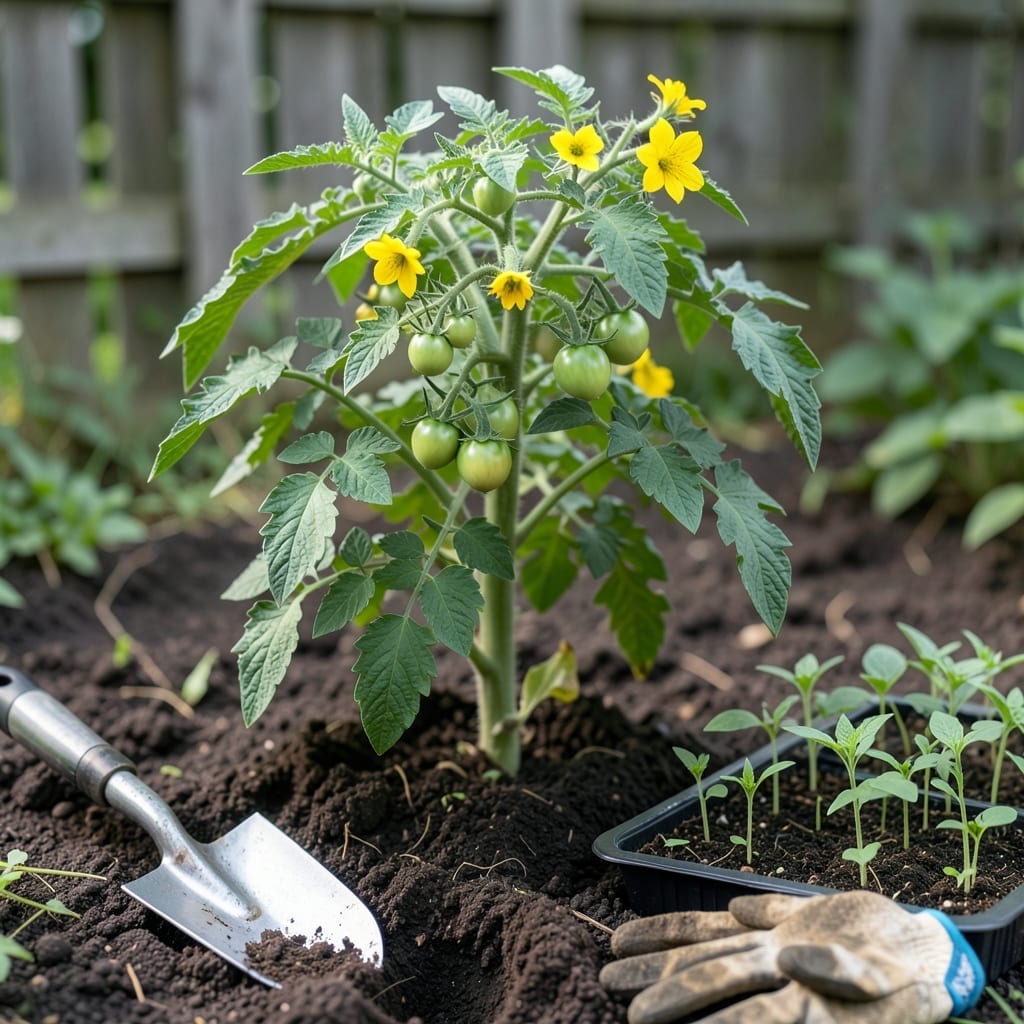
Timing is everything when planting 🥕 Vegetables in Central Florida’s unique climate, where mild winters and hot summers create distinct growing seasons you can’t afford to ignore.
I’ve seen too many gardeners struggle because they planted at the wrong time. In zone 9b, the window from August to March offers the best conditions for most crops.
Whether you’re new to gardening or a seasoned pro, knowing when to start each variety makes all the difference. The right timing leads to bigger harvests and healthier plants.
Let me walk you through the seasonal calendar that works for Central Florida. You’ll discover exactly when to plant for the best results.
Central Florida’s zone 9b climate offers a long growing season, but timing is critical. The cool season runs from October to March, while the warm season spans April to September. Each has ideal crops.
For example, lettuce and broccoli thrive in cooler months, while tomatoes and peppers love the heat. Knowing these windows helps avoid wasted effort and poor harvests. 🌱
In October, start planting leafy greens like spinach and kale. These crops tolerate light frosts and grow well in cooler soil. By November, add root vegetables such as carrots and beets.
December to February is perfect for cabbage and cauliflower. These need consistent moisture and well-draining soil to prevent rot. Always check soil temperature—cool crops prefer 50-70°F. 🌿
As temperatures rise in March, transition to warm-season crops. Tomatoes and peppers can be started indoors in February for transplanting later. April is ideal for planting beans and cucumbers directly in the garden.
May through September brings intense heat, which is perfect for okra and sweet potatoes. These thrive in full sun and hot conditions. Keep soil moist, as drought stress can reduce yields.
For succession planting, sow fast-growing crops like radishes every 2-3 weeks. This ensures a continuous supply. Bush beans also respond well to this method, producing harvests in 50-60 days. ☀️
Always consider microclimates in your yard. Areas near buildings or paved surfaces may be warmer, allowing for earlier planting. Use mulch to retain moisture and regulate soil temperature.
Finally, monitor pest pressure, which increases in warmer months. Row covers can protect young plants from insects. Rotate crops yearly to prevent soil-borne diseases and maintain fertility. 🪴
Central Florida’s warm climate allows for a diverse range of vegetables, but some varieties perform better than others. I recommend focusing on heat-tolerant and fast-growing options for the best results.
For cool-season crops, lettuce, spinach, and broccoli are excellent choices. These thrive in milder temperatures and can handle light frosts. 🌱
For warm-season crops, tomatoes and peppers are must-haves. Start them indoors in February for transplanting in March. They need full sun and consistent moisture.
Bush beans and cucumbers are great for April planting. These fast producers give you harvests in 50-60 days. Use trellises for cucumbers to save space.
Okra and sweet potatoes love the intense heat of May through September. Okra is particularly drought-tolerant, making it perfect for Central Florida’s sandy soil. 🌿
Don’t forget succession planting with radishes and green onions. These can be planted year-round in small batches for a steady supply. Keep soil well-mulched to retain moisture.