
Beautiful Plants For Your Interior
Beautiful Plants For Your Interior
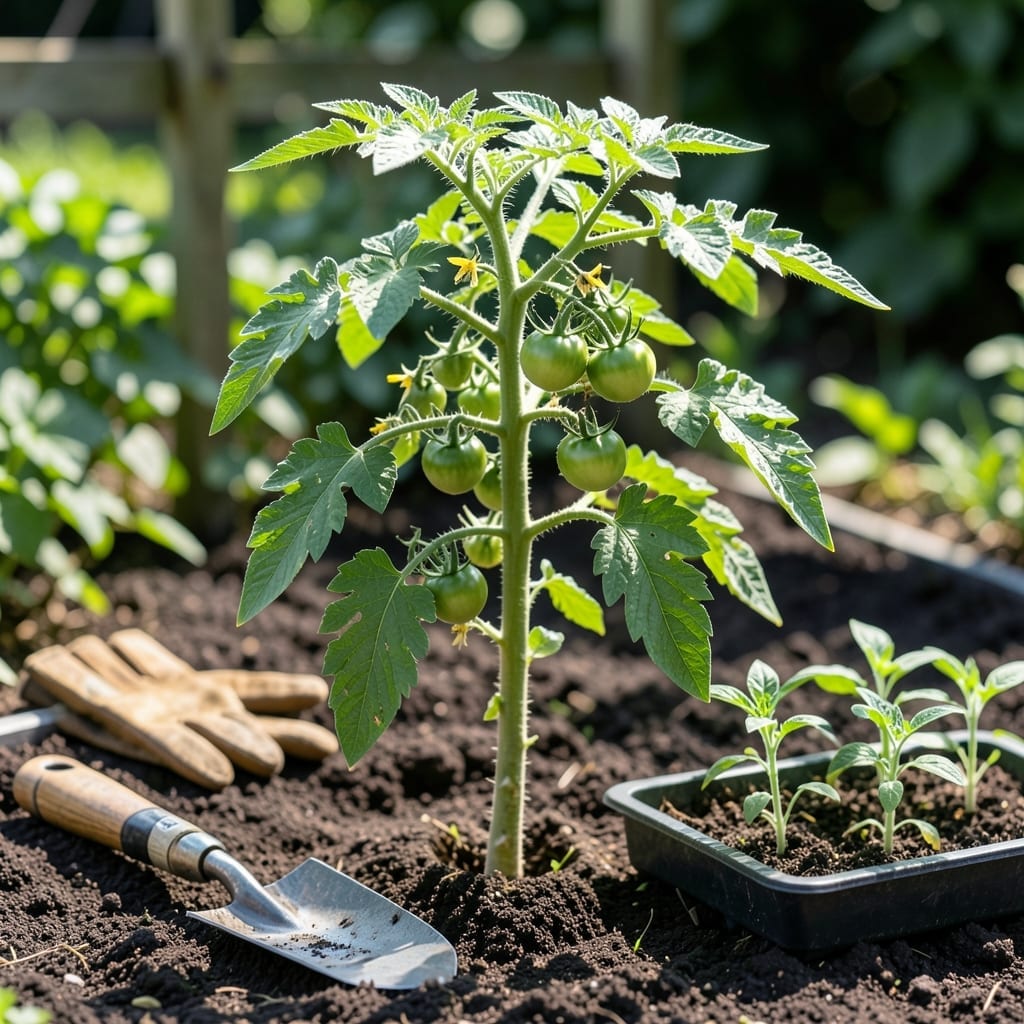
Timing is everything when it comes to planting Vegetables 🥕 in Canada’s diverse climates. Plant too early, and frost can wipe out your crops; too late, and you’ll miss the growing season entirely.
From the 3b-8a zones, each region has unique challenges that demand careful planning. Whether you’re in British Columbia or the Prairies, knowing your local frost dates is crucial.
I’ve spent years refining the perfect planting schedule, and now I’m sharing the secrets to maximize your harvest. You’ll discover how to align your efforts with nature’s rhythm.
Learn how to navigate Canada’s unpredictable weather and give your Vegetables the best start possible this spring.
Canada’s vast climate zones mean planting times vary dramatically from coast to coast. As a gardener, I’ve learned that British Columbia’s mild winters allow for earlier starts, while the Prairies demand patience due to late frosts. Ontario and Quebec offer a balanced middle ground for most crops. 🌱
Understanding your hardiness zone is the first step. Zone 3 in Northern Alberta has a shorter season than Zone 8 in Vancouver. I always check my local last frost date to time plantings perfectly. This prevents heartbreaking losses to unexpected cold snaps. 🌿
| Region | Last Frost Date | Cool-Season Start | Warm-Season Start |
|---|---|---|---|
| British Columbia | March 15 – April 15 | Feb – March | April – May |
| Prairies | May 15 – June 1 | April – May | May – June |
| Ontario | April 15 – May 15 | March – April | May – June |
| Quebec | May 1 – May 15 | April – May | May – June |
For cool-season crops like peas and spinach, I plant as soon as the soil is workable. These hardy varieties can tolerate light frosts, making them perfect for early spring or late fall plantings in most zones. They’re my go-to for extending the harvest window. ✂️
Warm-season vegetables such as tomatoes and peppers need soil temperatures above 15°C (59°F). In colder zones, I start these indoors 6-8 weeks before the last frost. This head start ensures they mature before the first fall frost arrives. ☀️
In Atlantic Canada, the maritime climate creates unique challenges. I’ve found that succession planting works wonders here. By staggering plantings of lettuce and radishes every 2-3 weeks, I enjoy continuous harvests despite the shorter season. 🌊
The Northern Territories have the most limited window. Here, I focus on fast-maturing varieties and use season extenders like row covers. Even in these harsh conditions, kale and Swiss chard can thrive with proper protection. 🪴
For all regions, I recommend keeping a garden journal. Tracking your planting dates and harvest results helps refine your schedule year after year. This personal record is invaluable for adjusting to microclimates in your specific location. 📋
Remember that soil preparation is just as important as timing. I always amend my beds with compost before planting. This improves drainage and provides essential nutrients that support strong growth throughout the season. 💧
Lastly, don’t forget to rotate your crops each year. This practice helps prevent disease buildup and maintains soil fertility. I map out my garden layout each winter to plan the next year’s rotations effectively. 🌱
Understanding frost dates is the key to successful planting across Canada’s varied climates. The last frost date signals when it’s safe to plant frost-sensitive crops, while the first frost marks the end of the growing season.
In Zone 3b, the last frost typically hits around May 15, but coastal areas like British Columbia may see it earlier. Always check local weather data for precision.☀️
🌱 Key Takeaway
Frost-tolerant veggies like kale and spinach can go in 2-4 weeks before the last frost. Tomatoes and peppers need warmer soil, so wait until after the last frost.
For frost-tolerant vegetables, like peas and lettuce, you can start planting 4-6 weeks before the last frost. These hardy plants can handle light frosts and even thrive in cooler temps.
Warm-season crops like cucumbers and beans are more delicate. They require soil temps above 10°C (50°F) and should only be planted after the last frost date has passed.
If you’re unsure about your area’s frost dates, I recommend using local agricultural extensions or online tools like the Canadian Plant Hardiness Zone Map. These resources provide hyper-local data to fine-tune your schedule.🌿
Adjusting for early or late frosts is crucial. If a late frost is forecasted, protect young plants with row covers or cloches. This simple step can save your crop from unexpected cold snaps.