
Beautiful Plants For Your Interior
Beautiful Plants For Your Interior
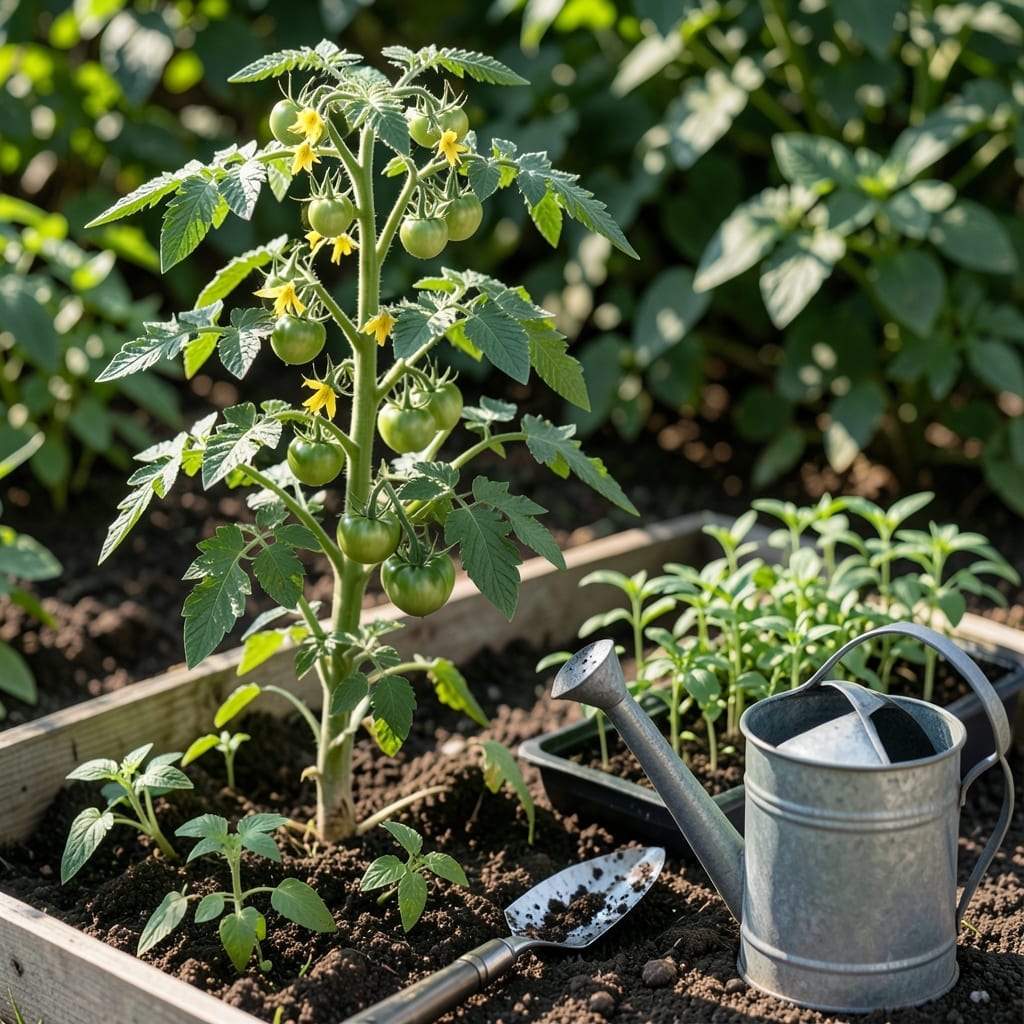
California’s diverse climate zones mean the ideal time to plant 🥕 Vegetables can vary dramatically from the cool coast to the hot inland valleys. Get your timing right, and you’ll enjoy a bountiful harvest all year long.
I’ve learned that what works in San Francisco won’t always succeed in Sacramento. The key is understanding your local microclimate and planting accordingly.
Whether you’re in Zone 10a or a cooler region, there’s a planting schedule tailored for you. Let’s explore how to make the most of California’s unique growing conditions.
Discover the best times to plant your favorite Vegetables and watch your garden thrive like never before.
California’s unique climate zones mean planting times vary widely. In coastal areas, cool temps allow for year-round growing of many crops, while inland valleys experience hotter summers and colder winters. 🌱
For the best results, I always check the USDA hardiness zone of my specific area. Desert regions have extremely hot summers, making early spring and fall planting ideal for most vegetables. 🌿
| Climate Zone | Cool-Season Crops | Warm-Season Crops |
|---|---|---|
| Coastal | Jan-Dec | Apr-Sep |
| Inland Valley | Feb-Apr, Aug-Oct | May-Jul |
| Desert | Sep-Feb | Mar-May, Aug-Sep |
| Mountain | May-Jun, Jul-Aug | Jun-Jul |
In coastal zones, I love planting lettuce, spinach, and kale year-round. The mild winters and cool summers create perfect conditions for these leafy greens. Just watch for slugs and snails! 🌿
For inland valleys, timing is key. I start tomatoes and peppers indoors in March to transplant after the last frost. Beets and carrots do well in early spring or late summer. ☀️
In the desert, the heat can be intense. I focus on heat-tolerant varieties like okra and sweet potatoes for summer. For winter, broccoli and cauliflower thrive in the cooler temps. 🌡️
For mountain areas, the growing season is shorter. I plant cool-season crops like peas and radishes as soon as the soil is workable. Warm-season crops need to go in after all danger of frost has passed. ❄️
I always use soil thermometers to check conditions. Most warm-season veggies need soil temps of at least 60°F, while cool-season crops prefer 40-50°F. This small tool makes a big difference! 🌱
Don’t forget about microclimates in your garden. A south-facing wall can be 5-10°F warmer than an open area. I use these spots to extend my growing season for heat-loving plants. ☀️
Finally, I keep a garden journal to track what works. Note planting dates, weather patterns, and harvest times. Over time, you’ll develop a custom schedule tailored to your specific location. 📋
California’s mild climate is a gardener’s dream, allowing for year-round vegetable planting in many regions. I’ve found that cool-season crops like kale and spinach thrive in winter, while warm-season favorites such as tomatoes and peppers flourish in summer. The key is knowing which varieties suit each season.
For staggered planting, I recommend starting lettuce and radishes in early spring and fall. These grow quickly and can be harvested before the heat or cold sets in. Meanwhile, green beans and cucumbers love the warmth of late spring through summer.
I’ve had great success with succession planting to keep my garden productive. For example, after harvesting spring peas, I immediately plant bush beans in their place. This ensures a continuous supply of fresh vegetables without wasting space.
Don’t forget about herbs like basil and cilantro, which can be planted in spring and summer. They grow quickly and add flavor to any dish while attracting beneficial insects to your garden.
In coastal areas, the moderate temperatures allow for extended growing seasons. I’ve grown broccoli and cauliflower almost year-round in these regions. Just be sure to provide consistent water and protect plants from strong winds.
For inland valleys, the heat can be intense, so I focus on drought-tolerant varieties like Swiss chard and zucchini. These handle the summer heat better than more delicate crops.
With a little planning, you can enjoy fresh, homegrown vegetables in California no matter the season 🌱