
Beautiful Plants For Your Interior
Beautiful Plants For Your Interior
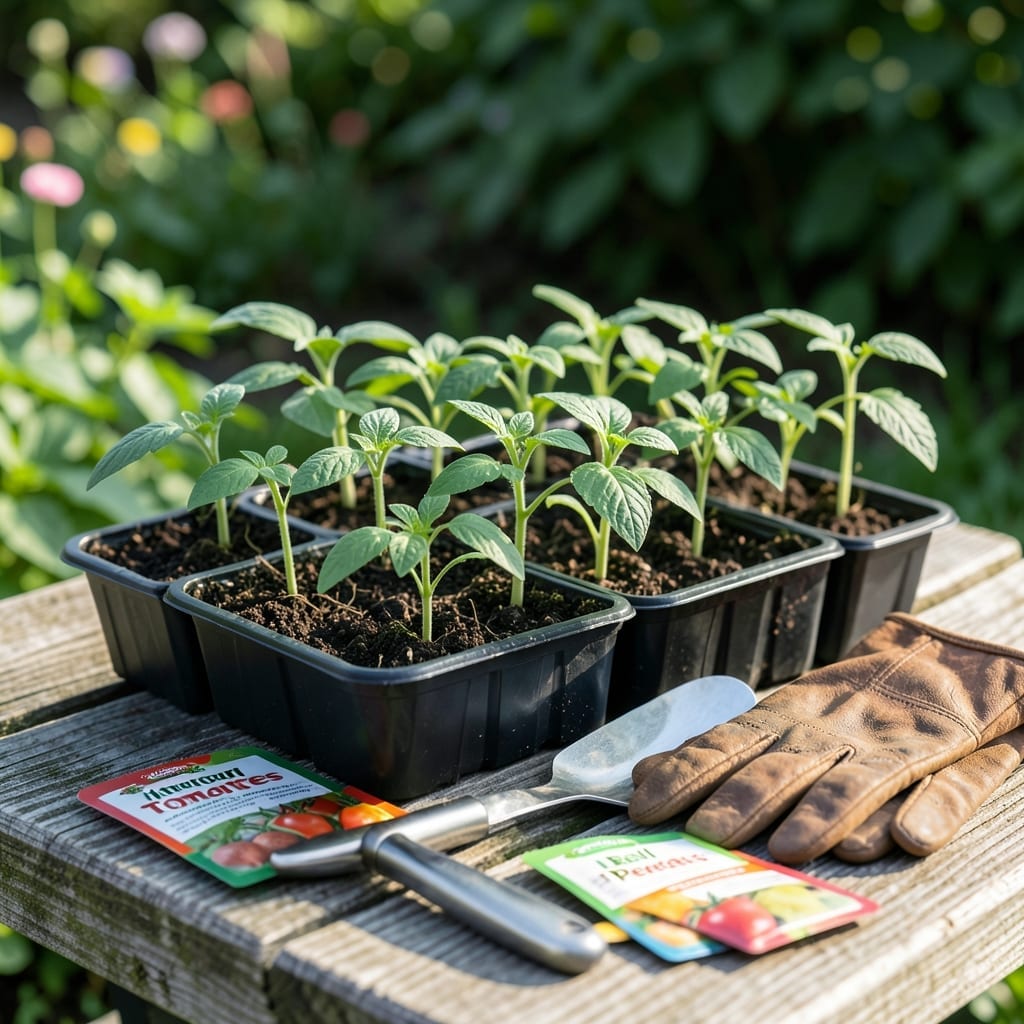
Timing is everything when planting Vegetable 🥕 seeds in Zone 6. Plant too early, and frost will claim your seedlings; plant too late, and you’ll miss the growing window.
I’ve learned the hard way that understanding your last frost date is the key to a thriving garden. In Zone 6, that date usually falls around mid-April, but there’s more to it than just that.
Whether you’re a beginner or a seasoned gardener, knowing the optimal planting windows can make or break your harvest. Let me walk you through the seasonal shifts that matter most.
Discover how to align your planting schedule with nature’s rhythm for a garden that flourishes from spring to fall.
In Zone 6, your planting calendar revolves around the last frost date, typically around April 15. This is your green light for warm-season crops, but cool-season veggies can go in much earlier.
I always start peas and spinach as soon as the soil can be worked in early spring, often in March. These hardy plants tolerate light frosts and thrive in cooler temperatures.
| Season | Vegetables | Planting Window |
|---|---|---|
| Early Spring | Peas, Spinach, Lettuce | March to early April |
| Late Spring | Beans, Corn, Cucumbers | After last frost (mid-April) |
| Summer | Tomatoes, Peppers, Squash | May when soil warms to 60°F |
| Fall | Kale, Carrots, Radishes | Late July to early August |
For warm-season crops like tomatoes and peppers, I wait until soil temperatures consistently hit 60°F. This usually happens in May in my Zone 6 garden.
Don’t forget about fall planting! I sow kale and radishes in late summer for a cool-season harvest. These crops actually taste sweeter after a light frost.
Soil preparation is just as important as timing. I always amend my beds with compost before planting to give seeds the best start possible.
Remember that microclimates can affect your planting dates. A south-facing wall might warm up faster, allowing you to plant a week or two earlier than the general guidelines.
I’ve found that succession planting works wonders in Zone 6. After harvesting early lettuce, I immediately plant bush beans in the same space to maximize my garden’s productivity.
Row covers can be a game-changer for extending your season. I use them to protect tender seedlings from late frosts or to keep pests at bay.
Always check your local weather forecast before planting. I’ve learned the hard way that an unexpected late frost can wipe out an entire bed of tender seedlings overnight.
By following this planting calendar and paying attention to your garden’s specific conditions, you’ll be well on your way to a bumper crop in Zone 6 🌱
In Zone 6, understanding the difference between cool-season and warm-season vegetables is crucial for timing your plantings right. Cool-season crops thrive in lower temperatures and can handle light frosts.
I always plant peas, spinach, and lettuce early in spring. These hardy plants grow best in 50-70°F soil and can be sown as soon as the ground is workable, often in March.
| Type | Examples | Planting Time | Frost Tolerance |
|---|---|---|---|
| Cool-Season | Peas, Spinach, Kale | Early spring or late summer | High |
| Warm-Season | Tomatoes, Peppers, Squash | After last frost (May) | Low |
Warm-season vegetables like tomatoes and peppers need warmer soil (at least 60°F) and can’t tolerate frost. I wait until mid-May to plant these in my Zone 6 garden.
For cool-season crops, you can also plant in late summer for a fall harvest. I’ve had great success with carrots and radishes planted in August. They mature quickly before the first frost.
Remember that warm-season plants grow best when air temperatures stay above 50°F at night. I use row covers to protect them if a late spring cold snap is forecasted.
I’ve found that succession planting works well with both types. After harvesting spring lettuce, I plant bush beans in the same space for a continuous harvest throughout the growing season 🌱