
Beautiful Plants For Your Interior
Beautiful Plants For Your Interior
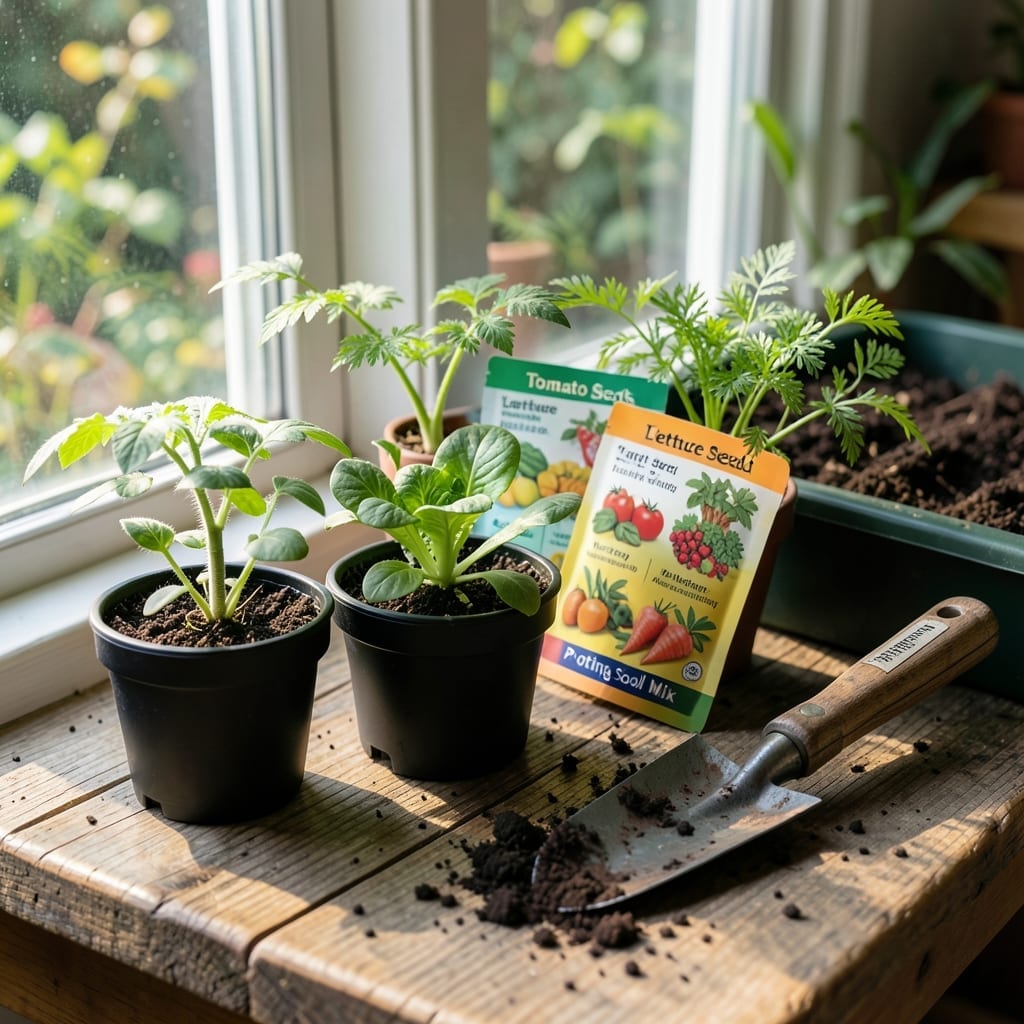
Timing is everything when planting Vegetable 🥕 seeds in Ontario. Get it right, and you’ll enjoy a bountiful harvest from June to October.
Get it wrong, and you might face stunted growth or crop failure. Ontario’s Zone 5b climate demands precision to maximize your garden’s potential.
I’ll walk you through the exact windows—April to June—when soil and air conditions are just right for your seeds to thrive.
Discover how to align your planting with frost dates and seasonal shifts for a garden that flourishes all season long.
Ontario’s Zone 5 climate means your planting timing hinges on frost dates and soil temperature. I’ve found that early April is ideal for hardy crops like peas and spinach. These can handle light frosts and even improve in flavor with a chill.
For warm-season vegetables like tomatoes and peppers, wait until after the last frost—typically mid-May—when soil warms to at least 60°F. This ensures seeds germinate quickly and plants establish strongly.
| Vegetable | Planting Window | Soil Temp | Frost Tolerance |
|---|---|---|---|
| Peas | Early April | 40°F+ | High |
| Lettuce | Mid-April | 45°F+ | Medium |
| Tomatoes | Mid-May | 60°F+ | Low |
| Cucumbers | Late May | 65°F+ | None |
I always suggest starting cool-season crops like kale and radishes as soon as the ground is workable. They thrive in 50-60°F soil and can be direct-sown 4-6 weeks before the last frost.
For warm-season favorites such as beans and squash, patience is key. Planting too early in cold soil leads to poor germination. I wait until late May when nights stay above 50°F consistently.
Succession planting extends your harvest. After pulling early radishes or lettuce, I replant with bush beans or carrots. This keeps my garden productive through early fall.
Don’t forget fall planting! In late July to early August, I sow kale, spinach, and turnips for a second harvest. These crops mature quickly in cooling weather and taste sweeter after a light frost.
Using row covers in early spring or late fall can protect seedlings from unexpected cold snaps. I’ve saved many a young tomato plant this way, giving me a head start on the season.
Remember, soil preparation is just as important as timing. I amend my beds with compost before planting to ensure seeds have the nutrients they need to sprout and grow strongly. 🌱
Ontario’s 148 frost-free days give us a solid window, but microclimates vary. I track local weather and adjust my schedule by a week or two based on my area’s specific conditions. ☀️
In Ontario’s Zone 5 climate, knowing whether your veggies are cool-season or warm-season is key. Cool-season crops like lettuce and spinach thrive in early spring or late summer. 🌱
Warm-season favorites, such as tomatoes and peppers, need soil temps above 60°F and should be planted after the last frost, around May 15. ☀️
| Type | When to Plant | Examples |
| Cool-Season | Early spring or late summer | Lettuce, Spinach, Peas |
| Warm-Season | After last frost | Tomatoes, Peppers, Cucumbers |
For cool-season crops, I start seeds indoors 6-8 weeks before the last frost or direct sow as soon as the soil is workable in early April. 🌿
Warm-season varieties can’t tolerate frost, so I wait until the soil warms to at least 60°F—usually late May or early June in most of Ontario.
If you plant warm-season seeds too early, they’ll rot or fail to germinate. I’ve learned the hard way that patience pays off with these heat-lovers. 🌱
For a continuous harvest, I use succession planting. Sow radishes every 2 weeks or plant bush beans in batches to keep the garden productive all season long.