
Beautiful Plants For Your Interior
Beautiful Plants For Your Interior
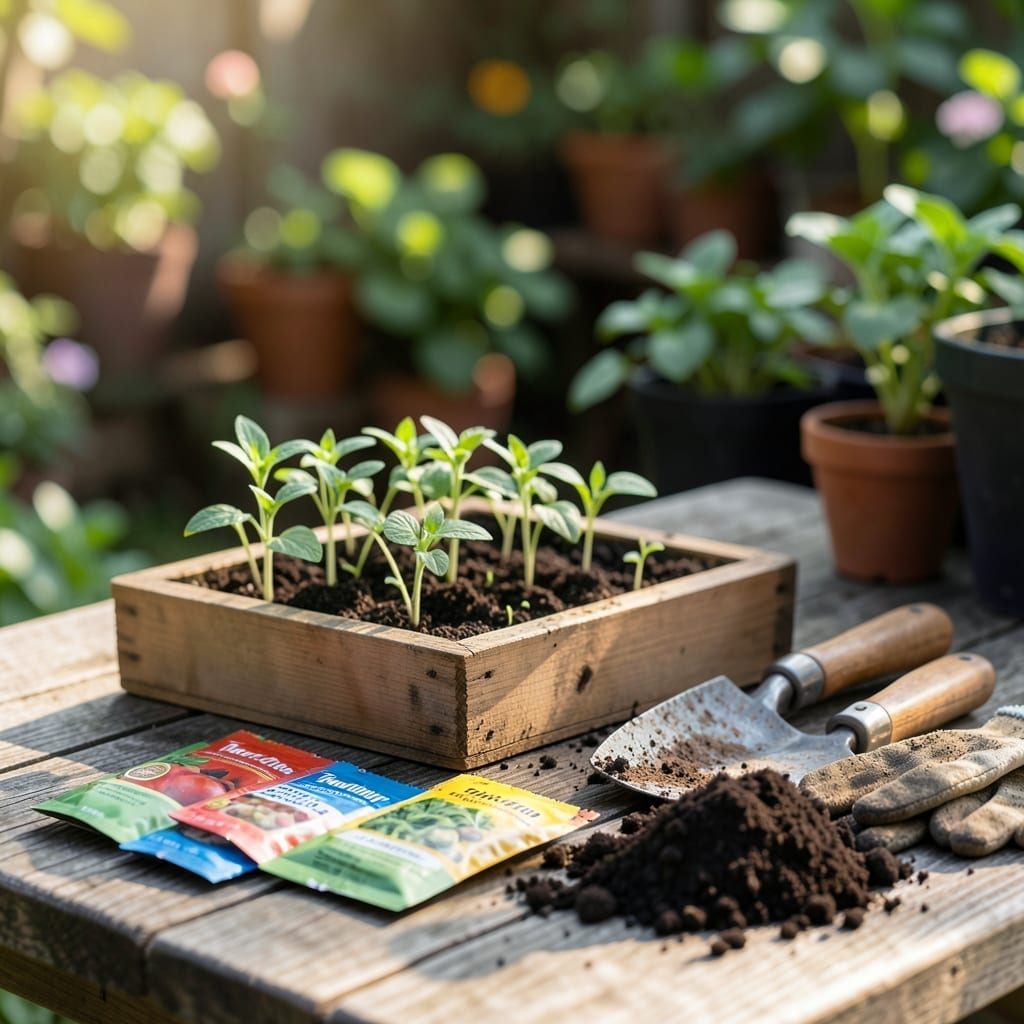
Timing is everything when planting Vegetable 🥕 seeds in Northern California. The region’s unique microclimates can make or break your harvest if you don’t align your efforts with its seasonal rhythms.
I’ve learned through trial and error that even a few weeks can mean the difference between thriving crops and disappointment. Whether you’re in the foggy coast or the warmer inland valleys, getting this right is the key to success.
From the mild winters to the dry summers, each season offers specific windows of opportunity. This guide will help you navigate these patterns and plant with confidence in zones 9a-9b.
Discover how to work with Northern California’s climate rather than against it. Your most productive growing season starts with knowing exactly when to begin.
In Northern California, our unique climate zones let us grow vegetables nearly year-round. The key is knowing which cool-season and warm-season crops thrive in each window. Coastal areas stay mild, while inland spots face hotter summers and occasional frost.
I’ve found that timing your planting around last frost dates (typically March 15) and first frost (around November 15) gives the best results. This schedule works for most of USDA Zones 9a-9b, covering Sacramento to San Francisco. 🌱
| Vegetable Type | Cool-Season Start | Warm-Season Start |
|---|---|---|
| Leafy Greens | Feb-Mar, Aug-Sep | Not applicable |
| Root Vegetables | Feb-Apr, Sep-Oct | Not applicable |
| Tomatoes & Peppers | Not applicable | Apr-May |
| Cucumbers & Squash | Not applicable | Apr-Jun |
For cool-season vegetables like kale, spinach, and carrots, I start seeds in early February for spring harvests. These crops tolerate light frosts and actually taste sweeter after a chill. In coastal areas, you can stretch this window into December for winter harvests.
Our warm-season stars like tomatoes, peppers, and eggplant need to wait until soil temps hit 60°F, usually late April. In Sacramento’s heat, I plant these by mid-April to maximize the long growing season. San Francisco’s cooler summers might require waiting until May. ☀️
Don’t overlook succession planting for continuous harvests. I sow bush beans every 2-3 weeks from April to July. For lettuce, I plant new seeds every 3 weeks starting in March and again in late August for fall crops.
The fall planting window is crucial for a second harvest. I start broccoli and cauliflower seeds indoors in July for transplanting in August. Direct-sow beets and radishes in September for quick fall crops before winter sets in.
Inland areas like Redding have hotter summers and colder winters, so I adjust by planting cool crops a bit later in spring and earlier in fall. Coastal gardeners in Marin County can push their warm-season planting later into summer thanks to milder temperatures.
Always check your local microclimate—my Sacramento garden behaves differently than my friend’s in foggy Half Moon Bay. Use a soil thermometer to confirm temperatures before planting heat-lovers. This small tool has saved me from many disappointing starts. 🌡️
Remember that container gardening offers flexibility. I’ve successfully grown peppers and eggplants in pots on my patio, starting them a bit earlier than in-ground plantings because containers warm up faster in spring.
Northern California’s diverse microclimates mean planting times vary dramatically. I’ve learned that coastal areas like San Francisco stay cooler longer, while inland valleys heat up faster in spring. This affects when you can safely sow seeds.
For example, cool-season crops like lettuce and spinach thrive in the mild coastal climate almost year-round. But in Sacramento’s hotter inland climate, I wait until late summer for fall planting.
I always check soil temperature before planting. For warm-season veggies like tomatoes, I wait until soil hits 60°F consistently. A simple soil thermometer is my go-to tool for this.
Another trick I use is observing local weather patterns. If we’ve had an unusually warm winter, I might plant 2-3 weeks earlier than the general guidelines suggest. But I’m careful not to rush frost-sensitive plants.
For fall planting, timing is equally crucial. In cooler areas, I start seeds in July-August for a fall harvest. In warmer zones, I can push this to late August-September without issue.
Remember that elevation changes everything. Even within Northern California, 500 feet of elevation can create a completely different growing season. I always adjust my schedule based on my specific garden’s conditions.
🌱