
Beautiful Plants For Your Interior
Beautiful Plants For Your Interior
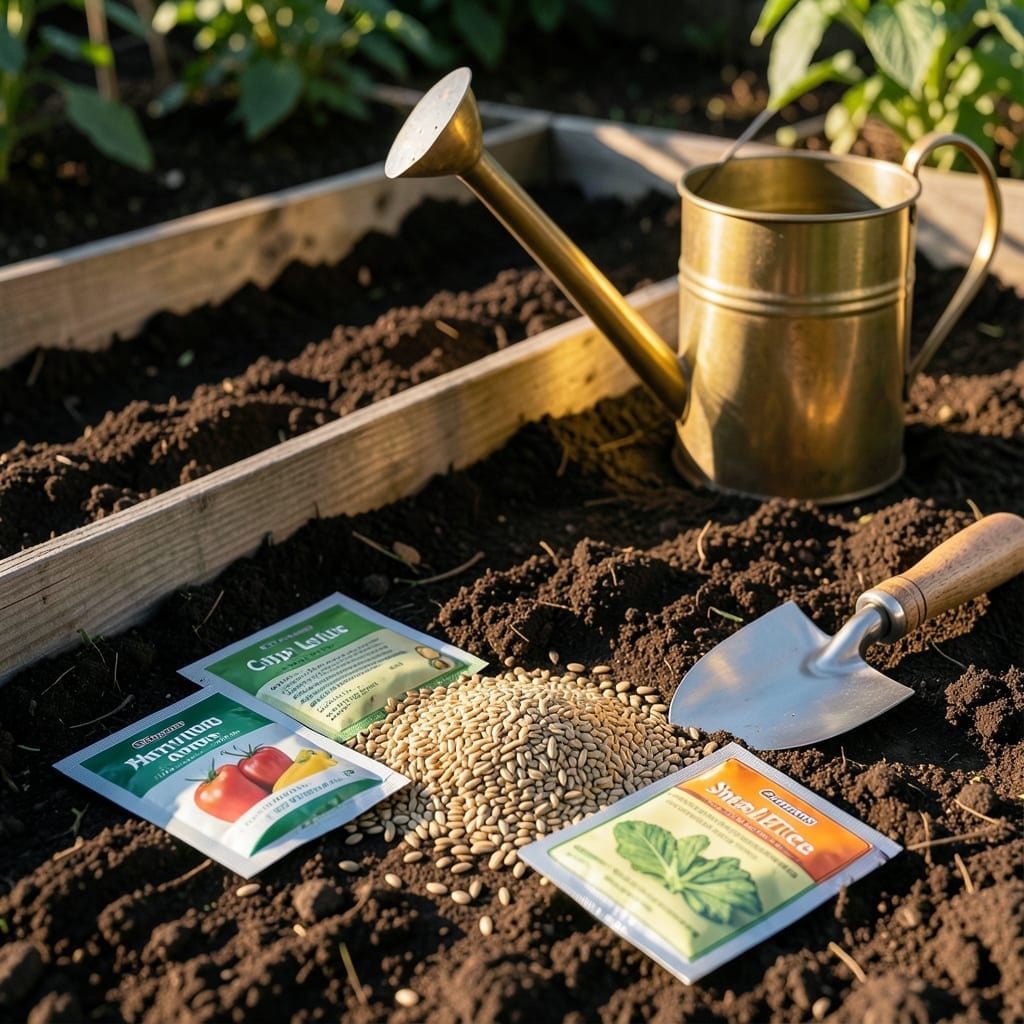
Timing is everything when it comes to planting Vegetable Seeds 🥕 in New Jersey. The Garden State’s unique climate demands a precise planting schedule to ensure a bountiful harvest.
From the chilly springs to the humid summers, knowing when to start can make or break your garden. I’ve seen too many gardeners jump the gun, only to lose their crops to an unexpected frost.
That’s why understanding your local USDA zones (6b-7a) and frost dates is a game-changer. It’s not just about when the soil is ready—it’s about when your seeds are ready to thrive.
Discover the ideal windows for planting Vegetable Seeds in NJ, and learn how to align your efforts with nature’s rhythm for the best results.
New Jersey’s USDA zones 6b-7a create a unique planting calendar. The key is knowing your last frost date—typically April 15—and working backward for cool-season crops.
I start peas and spinach indoors 6-8 weeks before the last frost. These hardy varieties tolerate cool soil and can even handle light frosts. 🌱
| cell”>Peas | cell”>Direct sow |
| cell”>Direct sow | |
| cell”>Start indoors | |
| cell”>Direct sow | |
| cell”>Direct sow |
For warm-season crops like tomatoes and peppers, wait until soil reaches 60°F. This usually happens in late May for most of NJ. Starting these indoors gives them a head start on the growing season.
I’ve found that transplanting seedlings after the last frost works best. Hardening off your starts is crucial—gradually expose them to outdoor conditions over 7-10 days to prevent shock. 🌿
Cool-season crops like broccoli and cabbage thrive in early spring or fall. They can bolt in summer heat, so timing is everything. Aim for March or September plantings.
Don’t forget succession planting for continuous harvests. After my early lettuce crop is done, I plant bush beans in the same space. This maximizes my garden’s productivity all season long.
For root vegetables like carrots and beets, direct sowing is key. They don’t transplant well, so I plant them directly in the soil as soon as it’s workable in early spring. ☀️
Always check your local microclimate. Coastal areas in NJ may have milder winters and cooler summers, allowing for slightly different planting times than inland regions.
Finally, keep a garden journal. Tracking what you plant and when helps refine your schedule year after year. I’ve adjusted my planting dates by 1-2 weeks based on my notes from past seasons. 🌻
In New Jersey, knowing whether to direct-sow or start indoors can make or break your harvest. The state’s cool springs and warm summers create distinct needs for different vegetables.
I’ve learned that cool-season crops like radishes and carrots do best when direct-sown into the garden. They grow quickly and dislike being transplanted. 🌱
Warm-season vegetables like tomatoes and peppers need a head start indoors. NJ’s short growing season means starting these 6-8 weeks before the last frost ensures they mature in time.
I always start my tomato seedlings indoors under grow lights. This gives them the strong stems and healthy leaves they need to thrive once transplanted. Transplant shock is real, so I harden them off for 7-10 days first. 🌿
For direct-sowing, wait until the soil temperature reaches at least 60°F. A soil thermometer is an inexpensive tool that takes the guesswork out of planting. I check mine weekly in early spring.
Succession planting is another trick I use. After harvesting early lettuce, I direct-sow bush beans in the same spot. This keeps my garden productive all season long.
Remember, NJ’s coastal areas may have slightly different conditions. If you’re near the shore, you might get away with earlier plantings due to milder winters. Always adjust based on your local microclimate. ☀️