
Beautiful Plants For Your Interior
Beautiful Plants For Your Interior
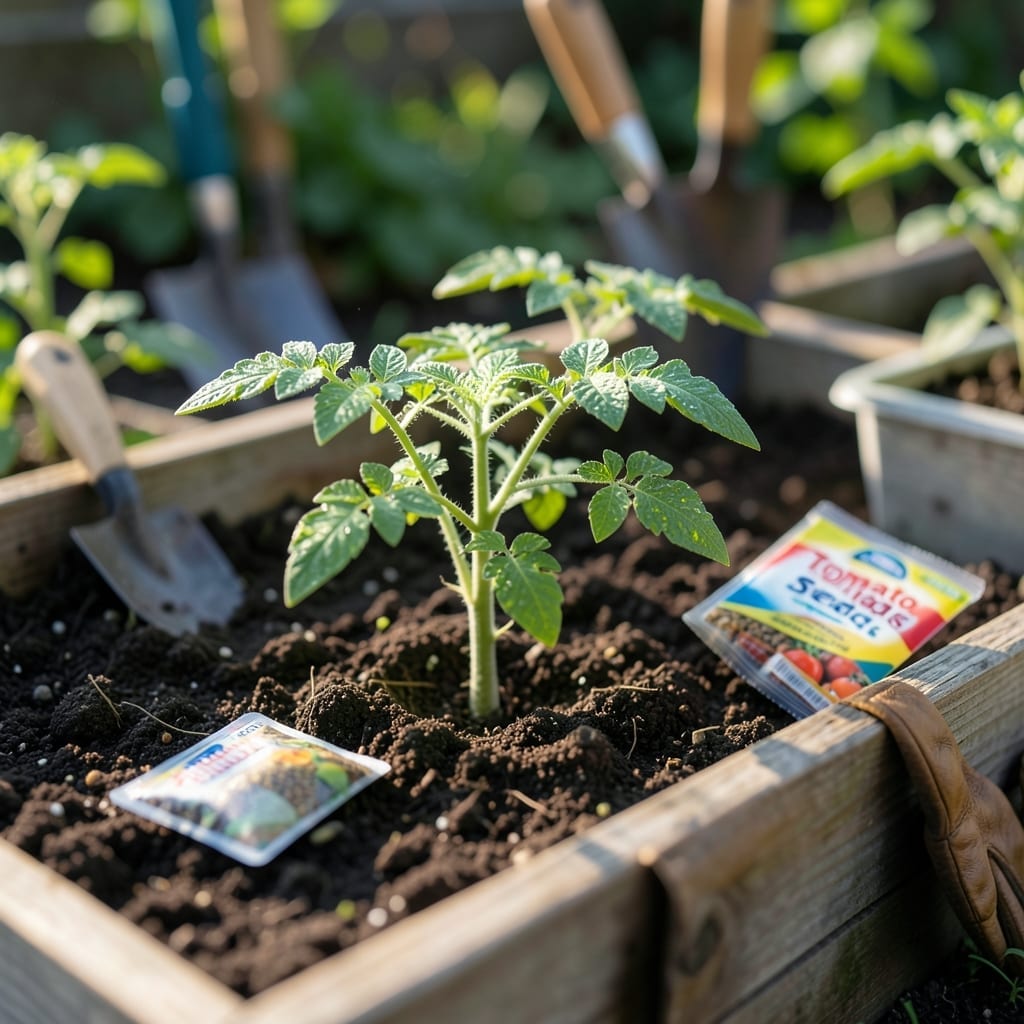
Timing is everything when planting Vegetable Seeds 🥕 in Michigan, where unpredictable frosts can make or break your garden. One wrong move and your hard work could be wiped out overnight.
I learned this the hard way my first season. Now I know that understanding Michigan’s unique climate patterns is the key to success. The difference between thriving plants and a failed harvest often comes down to just a few days.
Whether you’re in the Upper Peninsula or Southern Michigan, each region has its own rhythm. I’ll help you navigate these nuances so you can plant with confidence.
Discover exactly when to get those seeds in the ground for a bountiful harvest from July through October. Let’s get your garden growing right.
Michigan’s diverse USDA zones (4-6) mean planting dates vary significantly. The Upper Peninsula often sees its last frost in late May, while Southern Michigan can start earlier.
Your local frost-free dates are the key to timing. Northern Lower typically has 120-140 frost-free days, giving a shorter window for warm-season crops.
| Region | USDA Zone | Last Frost Date | Frost-Free Days |
|---|---|---|---|
| Upper Peninsula | 4-5 | May 20-30 | 100-120 |
| Northern Lower | 5 | May 10-20 | 120-140 |
| Southern Michigan | 6 | April 20-May 10 | 140-160 |
I always check my local weather station for the most accurate frost dates. Even within a zone, microclimates can shift your planting window by a week or two.
Urban areas like Detroit often warm up faster than rural spots. I’ve found that urban heat islands can extend the growing season by several days.
For cool-season crops like peas and spinach, I start 4-6 weeks before the last frost. These hardy plants can handle light frosts and even snow cover.
Warm-season crops like tomatoes and peppers need soil temps above 60°F. I wait until at least 2 weeks after the last frost date for these.
I use a soil thermometer to be sure. It’s amazing how much soil temperature can vary from air temperature, especially in early spring.
Don’t forget about fall planting! Many crops like kale and carrots thrive in cool fall weather. I count backward from the first frost date to time these plantings.
In my experience, succession planting works well in Michigan. I plant fast-growing crops like radishes every 2 weeks for continuous harvests.
Always keep a garden journal to track your planting dates and harvest results. This helps me refine my timing each year for better success 🌱
Michigan’s seasons dictate your planting strategy. I’ve found that cool-season crops like peas and spinach thrive in early spring before the last frost date. These hardy plants can tolerate a light chill, making them perfect for March and April sowing.
Once the soil warms up after the last frost (typically mid-May), it’s time to switch to warm-season crops. I always wait until the soil reaches at least 60°F before planting tomatoes, peppers, and cucumbers.
For fall planting, I start counting backward from the first frost (around October 15th). Fast-maturing varieties like kale and beets can be planted in late summer for a fall harvest.
I’ve learned that succession planting is key for continuous harvests. After harvesting early crops like spinach, I immediately replant with fast-growing varieties such as bush beans or turnips.
Remember that soil temperature is often more important than air temperature. I always use a soil thermometer to check conditions before planting. For most warm-season crops, 70°F is the sweet spot.
Finally, don’t forget about indoor starting. For crops with longer growing seasons like tomatoes and peppers, I start seeds indoors 6-8 weeks before the last frost date to get a head start.
This approach has consistently given me healthier plants and earlier harvests in my Michigan garden ☀️