
Beautiful Plants For Your Interior
Beautiful Plants For Your Interior
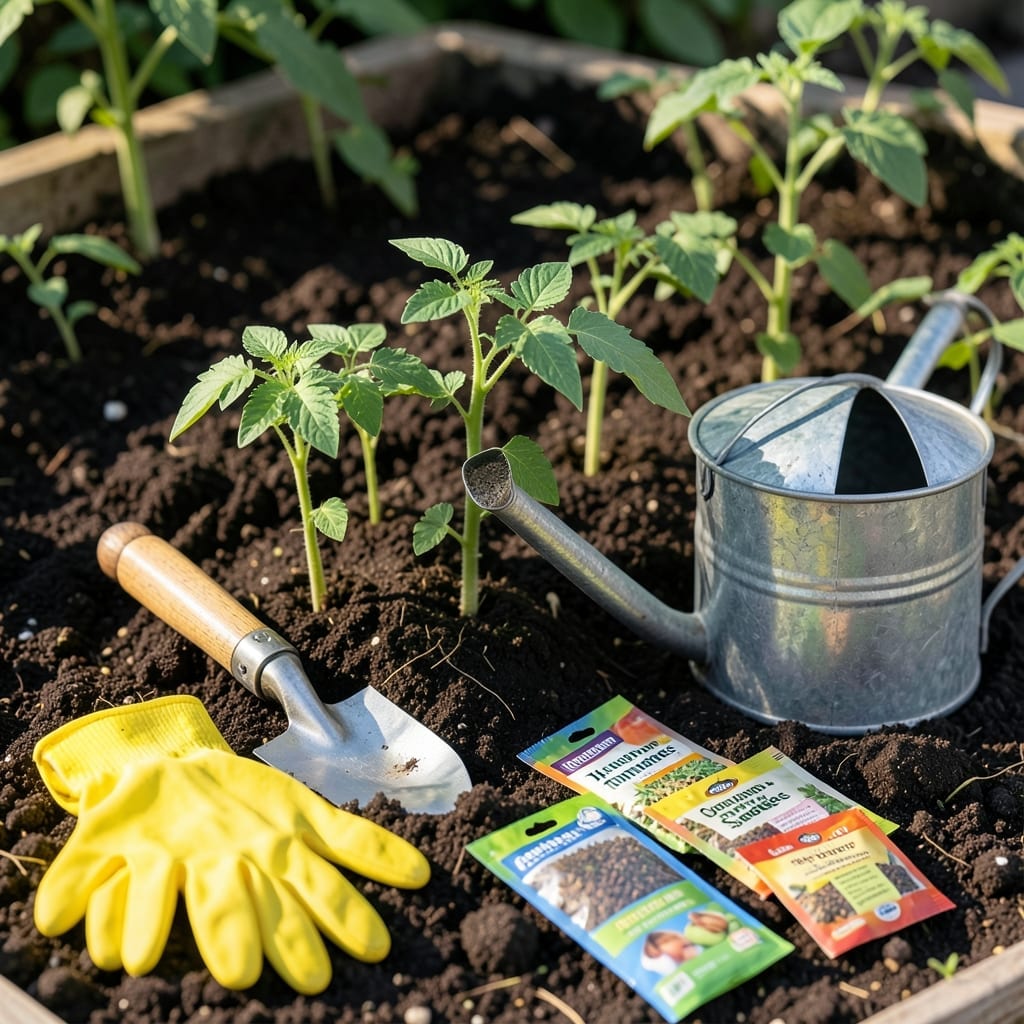
Seattle’s mild but rainy climate means perfect vegetable gardening is all about timing. Plant too early and cold snaps will stunt your 🥕 Vegetable Garden; too late, and you’ll miss the short growing season.
I’ve learned the hard way that Zone 8b has its own rhythm. The difference between a thriving harvest and a disappointing one often comes down to just a few weeks.
Whether you’re a first-time gardener or looking to improve your yields, timing is everything. From cool-season crops to heat-loving favorites, each has its own sweet spot.
Discover the exact windows that’ll give your Seattle garden the best chance to flourish. Let’s dig in.
In Seattle’s Zone 8b, timing your vegetable garden means working with the cool, damp springs and mild summers. I start my cool-season crops as early as February under cover to get a head start before the last frost.
The last average frost date here is around April 15, but microclimates can shift this by a week or two. Warm-season plants like tomatoes need to wait until soil temps hit 60°F, usually in late May.
| Season | Task | Key Crops |
|---|---|---|
| Early Spring | Start indoors | Broccoli, cabbage |
| Mid Spring | Direct sow | Peas, lettuce, spinach |
| Late Spring | Transplant | Kale, onions |
| Summer | Direct sow/transplant | Beans, cucumbers, tomatoes |
For direct sowing, I wait until soil is workable and at least 40°F. Peas and spinach can handle the chill, but beans and squash need warmer conditions to thrive.
I’ve found that using row covers in early spring lets me plant 2-3 weeks earlier. This is especially helpful for heat-loving crops that need a longer season to mature.
Seattle’s summer dry spell from July to September is perfect for warm-season vegetables. I
The first frost typically arrives around November 1. I aim to have all cold-sensitive crops harvested or protected by then. Kale and Brussels sprouts actually taste sweeter after a light frost.
For fall planting, I start cool-season crops in late July to early August. This gives them time to mature before winter sets in. Garlic goes in the ground in October for a summer harvest.
I always keep a garden journal to track what works each year. Seattle’s weather can vary, and being flexible with your planting dates is key to success.
Remember, these are guidelines. Your specific microclimate might allow for slight adjustments. When in doubt, I check my soil temperature with a simple thermometer.
With this schedule, I’ve been able to enjoy fresh vegetables nearly year-round in my Seattle garden. The key is working with the seasons, not against them 🌱
Seattle’s cool maritime climate is perfect for certain vegetables. I’ve found kale, peas, and Swiss chard thrive in the mild springs and falls. These are your easiest wins.
For heat-loving crops like tomatoes and peppers, timing is critical. Start them indoors in March and transplant after April 15 to avoid frost damage.
Don’t overlook root vegetables like radishes and turnips. They grow quickly and can be succession-planted every 2-3 weeks for continuous harvests.
If you love fresh herbs, basil and cilantro do well but need protection from cold snaps. Start them indoors or use row covers when temperatures dip.
For extended seasons, use cold frames or greenhouses. I’ve kept my greens growing well into November with just a little extra warmth.
Remember, Seattle’s microclimates vary. If you’re near the sound, you might get a longer growing season than inland areas. Always watch your local weather patterns.
With the right timing, your Seattle garden can produce abundant harvests from spring through fall 🌱