
Beautiful Plants For Your Interior
Beautiful Plants For Your Interior
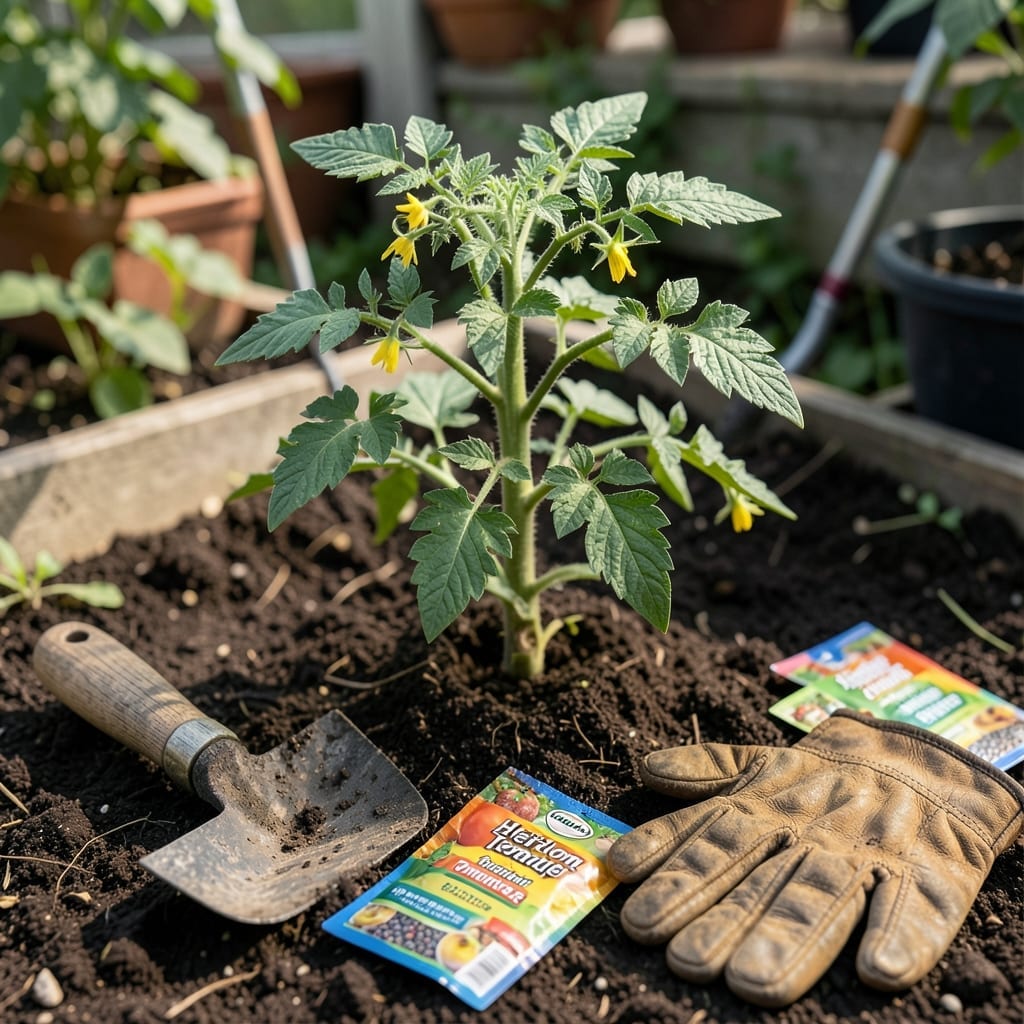
Timing is everything when planting your 🥕 Vegetable Garden in Oklahoma’s unpredictable climate. Get it right, and you’ll enjoy a bumper harvest all season long.
I’ve seen too many gardeners struggle because they planted too early or too late. In zones 6b-7a, timing can make or break your yield.
Whether you’re a beginner or a seasoned gardener, knowing the optimal windows is key. Cool-season crops thrive in early spring, while warm-season varieties need that extra heat.
Discover the exact schedule that works for Oklahoma’s unique growing conditions. Let’s set you up for success from the very first seed.
Oklahoma spans USDA zones 6b-8a, creating varied planting windows. I’ve found that cool-season crops like lettuce and peas thrive in early spring, while warm-season favorites need late spring warmth. 🌱
Your last frost date is critical—typically April 15 in central Oklahoma. This date separates early spring planting from summer crops. Know your zone to time it perfectly.
| Variety | Zone | Planting Window | Notes |
|---|---|---|---|
| Lettuce | 6b-8a | March-April | Cool-season, harvest in 30-60 days |
| Tomatoes | 6b-8a | April-May | After last frost, needs full sun |
| Peppers | 7a-8a | May-June | Warm soil, 70°F+ for germination |
| Okra | 7a-8a | June | Drought-tolerant, hot weather lover |
Zone 6b gardeners should start cool crops in late March, while zone 8a can begin earlier. I always check soil temperature—60°F minimum for most seeds.
For warm-season crops, wait until soil reaches 70°F. Tomatoes and peppers planted too early will struggle. Patience pays off with stronger plants.
Fall planting is Oklahoma’s secret weapon. Start second crops of lettuce and radishes in August for a late harvest. The mild fall extends your growing season beautifully.
I’ve learned that succession planting works wonders here. After harvesting spring peas, I immediately plant bush beans in the same space. This maximizes yield from every square foot.
Remember that microclimates matter. Urban areas may be 1-2 zones warmer than rural spots. Observe your specific area’s patterns for best results.
Oklahoma’s long growing season (about 180 frost-free days) allows for multiple harvests. With proper timing, you can enjoy fresh produce from spring through fall. 🌿
Always keep a garden journal to track what works. Note planting dates, weather patterns, and harvest times. This data becomes invaluable for future planning.
Timing your vegetable garden in Oklahoma means working with the seasons, not against them. I’ve found that spring planting starts as early as March for cold-hardy crops like spinach and kale. ☀️
As temperatures rise, April is perfect for transplanting tomatoes and peppers after the last frost. I always wait until soil warms to at least 60°F for best results.
Summer planting in Oklahoma can be tricky due to heat. I focus on heat-tolerant varieties like okra and sweet potatoes in June and July.
Fall gardening is often overlooked but incredibly productive. By August, I’m planting kale, beets, and turnips for a second harvest before winter.
I always use succession planting to extend my harvest. After pulling spring lettuce, I immediately sow bush beans in the same space. This keeps my garden productive all season.
Remember that watering needs change with the seasons. In summer, I water deeply 2-3 times a week, while spring and fall crops often need less frequent watering. 🌱
Tracking local weather patterns helps me adjust my schedule. Oklahoma’s weather can be unpredictable, so I stay flexible and ready to protect tender plants from late frosts or heatwaves.