
Beautiful Plants For Your Interior
Beautiful Plants For Your Interior
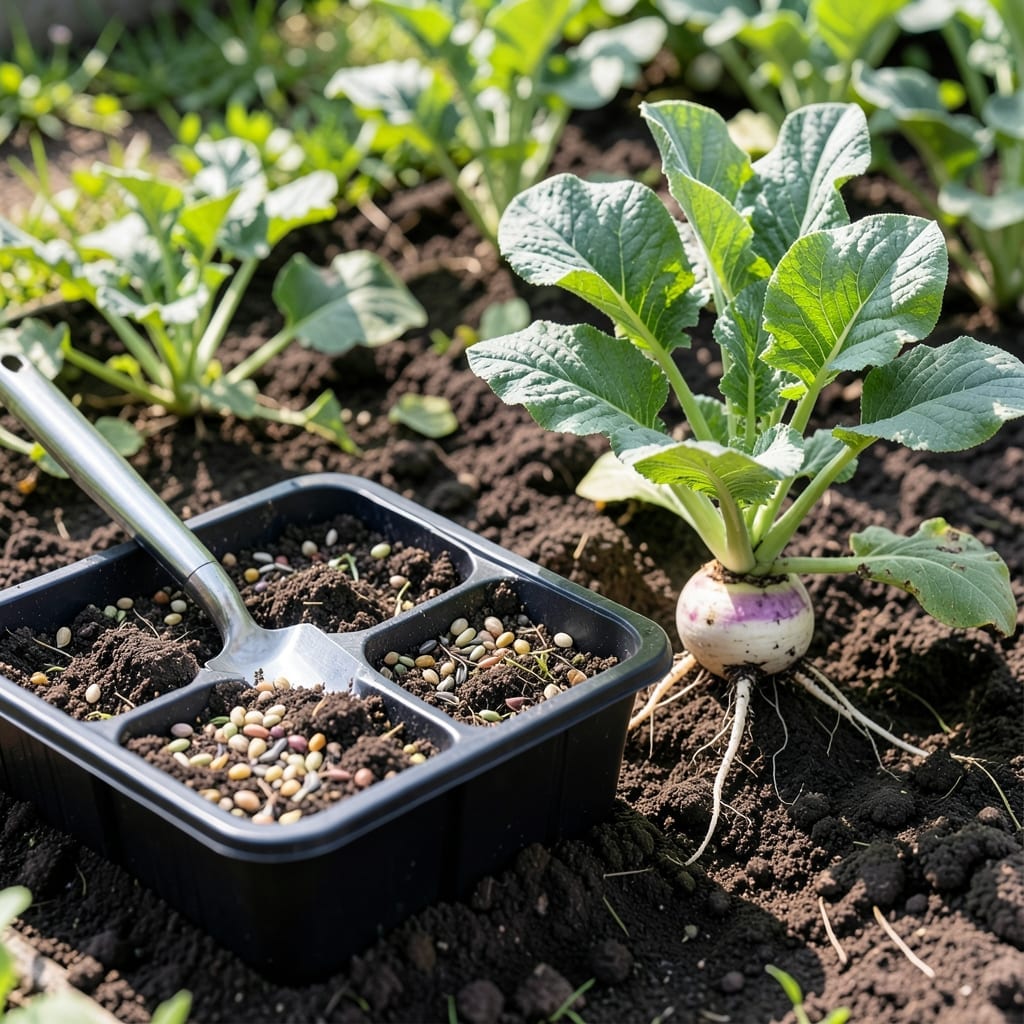
Timing is everything when growing Turnip 🥬 in Kansas—plant too early or too late, and you’ll miss the sweet, crisp harvest. Our state’s variable climate demands a precise schedule to avoid bolted greens or stunted roots.
I’ve seen gardeners struggle with timing, but the key is aligning your planting with Kansas’ USDA zones 5b-6a. This ensures your turnips thrive in the ideal conditions they need.
Whether you’re planning for spring or fall, knowing the optimal windows makes all the difference. I’ll break down exactly when to start for the best results in your garden.
Discover how to maximize your yield by planting at the right time, and enjoy a bountiful harvest of fresh, homegrown turnips.
Kansas spans USDA zones 5-7, meaning your exact timing for turnip planting depends on where you live. The state’s last frost date ranges from mid-April in the north to early April in the south.
For spring planting, sow seeds 2-4 weeks before your last frost when soil temps hit 40°F. This gives roots time to mature before summer heat kicks in 🌱
| Zone | Spring Planting | Fall Planting | Frost Dates |
|---|---|---|---|
| 5b | March 15-30 | Aug 15-Sept 1 | Last: Apr 15 | First: Oct 10 |
| 6a | March 1-15 | Aug 20-Sept 10 | Last: Apr 10 | First: Oct 20 |
| 7a | Feb 20-March 1 | Sept 1-15 | Last: Mar 25 | First: Nov 5 |
For fall turnips, plant 6-8 weeks before your first frost. This lets roots develop in cool soil without freezing. In zone 5b, that’s mid-August; in zone 7a, early September works.
Soil temperature is critical—40-75°F is ideal for germination. Use a soil thermometer to check before sowing. If soil is too cold, seeds may rot; too hot, and they won’t sprout.
Western Kansas gardeners should watch for late frosts in spring. I always cover young plants with row fabric if temps dip below 25°F. This protects tender greens from damage.
In eastern Kansas, humidity can lead to fungal issues. Plant in well-draining soil and space seeds 1 inch apart to improve airflow. Thin to 3-4 inches once seedlings emerge.
For best flavor, harvest spring turnips before temperatures exceed 75°F. Heat causes bitterness and woody texture. Fall crops taste sweeter after a light frost, which converts starches to sugars.
If you’re in zone 6b, you can sneak in a second spring crop by planting in early February under cold frames. This works well in urban areas like Wichita or Topeka 🌿
Remember, turnips mature in 50-70 days. Count backward from your frost dates to plan. I mark my garden calendar with both planting and harvest windows to stay on track.
With Kansas’ 180-day growing season, you’ve got time for two full crops. Just avoid the hottest months—turnips bolt in summer heat, sending up flower stalks instead of forming roots ✂️
In Kansas, I’ve found both spring and fall planting work well for turnips, but each season has unique benefits. Spring offers cool soil and mild temps, while fall avoids summer heat stress that can make roots woody.
Fall turnips often taste sweeter after light frosts, but spring crops mature faster in warming soil. The key is matching planting dates to your zone’s frost timeline.
I recommend spring planting for quick harvests in zones 5-6, starting 2-4 weeks before the last frost. In zone 7, fall planting often wins due to milder winters.
For fall crops, I sow 6-8 weeks before the first frost to ensure full maturity. Varieties like ‘Hakurei’ excel in fall with their sweet, tender roots.
Remember, soil temps should be 40-75°F for germination. In Kansas, that means March-April for spring and August-September for fall.
My pro tip: Use row covers in fall to protect young plants from early frosts while extending the growing season. 🌱