
Beautiful Plants For Your Interior
Beautiful Plants For Your Interior
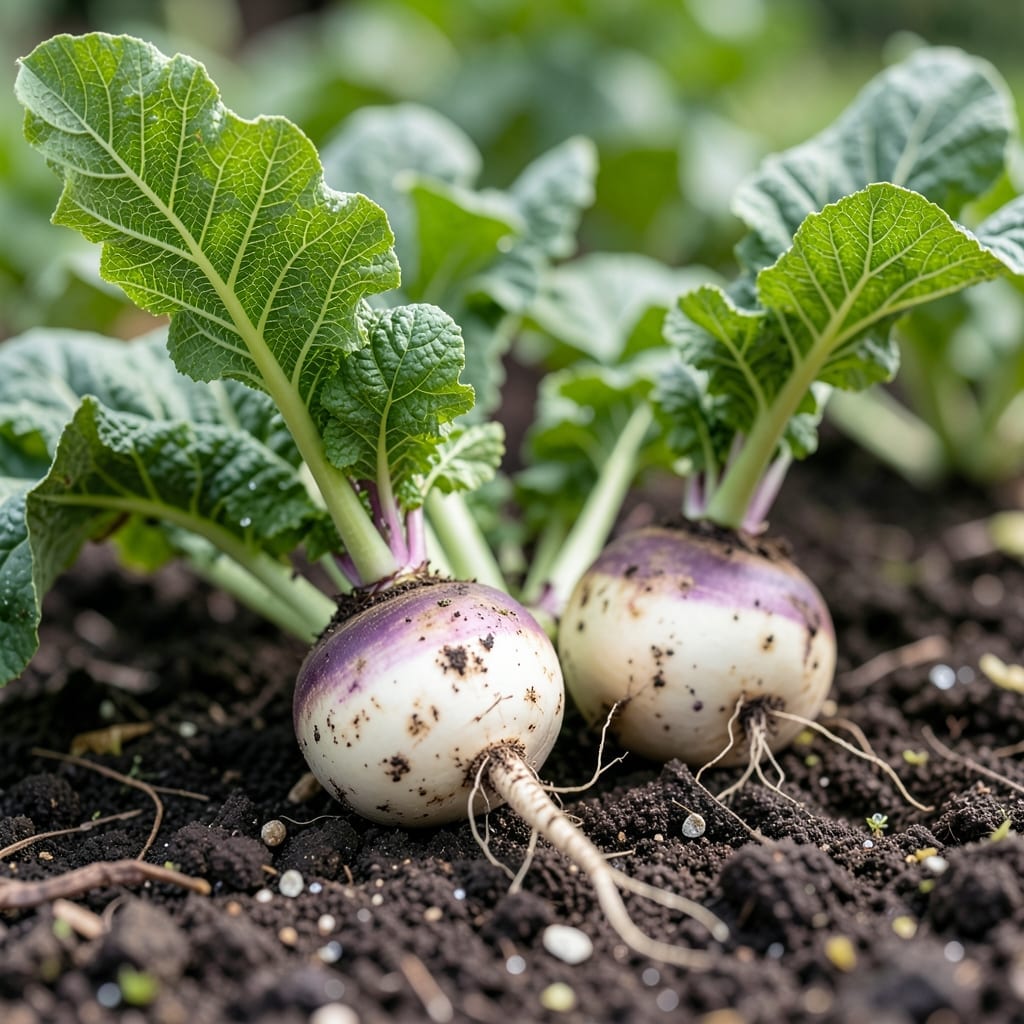
Planting turnips for deer in Kentucky requires perfect timing to create a thriving food plot. Get it wrong, and you might end up with sparse growth and disappointed wildlife.
In zone 6b, the window is narrow but critical. The 🥬 Turnip thrives when planted at the right moment, ensuring lush, nutrient-packed foliage that deer can’t resist.
I’ve seen firsthand how the right schedule transforms a plot. Whether you’re a seasoned hunter or just starting, knowing when to plant makes all the difference.
Discover the exact timing and techniques to maximize your Turnip plot’s potential and keep deer coming back all season long.
Timing is everything when establishing deer food plots in Kentucky. I’ve found that late summer to early fall offers the best window for planting turnips for deer, ensuring they mature before winter hits.
Kentucky’s USDA Zone 6b climate means you should aim to sow turnips 6-8 weeks before the first frost, which typically falls around October 15th. This gives the plants time to develop strong roots and foliage.
| Planting Window | Key Details |
|---|---|
| Early Fall (August-September) | Ideal for maximum growth before frost |
| Late Fall (October) | Riskier but works in mild winters |
| Soil Temperature | 50-85°F for best germination |
| Frost Consideration | Turnips tolerate light frost, improving sweetness |
I recommend starting your turnip food plots in mid-August through September for the best results. This timing allows the plants to establish before Kentucky’s first hard frost, which can stunt growth if it arrives too early.
The soil temperature should be between 50-85°F for optimal germination. In Kentucky, this range is typically met during the late summer and early fall months, making it the perfect time to plant.
If you plant too early, you risk the turnips bolting in hot weather, which makes them less palatable for deer. Too late, and they may not have enough time to develop strong root systems before winter sets in.
For the best deer attraction, I’ve seen that planting in stages can extend the feeding window. Try sowing a portion in early August and another in early September to provide a continuous food source.
Kentucky’s clay-heavy soils can be challenging, so ensure good drainage by amending with organic matter before planting. This helps the turnips establish quickly and withstand heavy deer pressure.
Remember, deer are attracted to tender, young turnip greens and the sweet roots that develop after a light frost. Planting at the right time ensures your food plot is irresistible to wildlife when they need it most.
Finally, always check the local weather forecast before planting. If an early frost is predicted, you may need to adjust your timeline slightly to avoid losing your crop to an unexpected cold snap.
With the right timing and care, your Kentucky turnip food plot will be a deer magnet all season long 🌱
Creating a thriving deer food plot in Kentucky starts with proper soil preparation. I always recommend testing your soil’s pH level first—turnips prefer a range of 6.0-7.5 for optimal growth.
For best results, amend heavy clay soils with compost or sand to improve drainage. This helps prevent waterlogging, which can stunt turnip growth and deter deer from feeding.
A common mistake I see is overcrowding seeds. Deer need access to the entire plant, so proper spacing ensures each turnip develops fully. Also, avoid planting in low-lying areas where water pools.
For Kentucky’s climate, I suggest using a seed drill or broadcast seeder for even distribution. After planting, lightly rake the soil to ensure good seed-to-soil contact, which boosts germination rates.
Remember that deer pressure can be intense. To protect young seedlings, consider using a temporary electric fence until plants are 4-6 inches tall. This gives them a fighting chance to establish.
Finally, monitor your plot’s moisture levels. Turnips need consistent moisture but not soggy soil. A light mulch layer can help retain moisture while keeping weeds at bay 🌱