
Beautiful Plants For Your Interior
Beautiful Plants For Your Interior
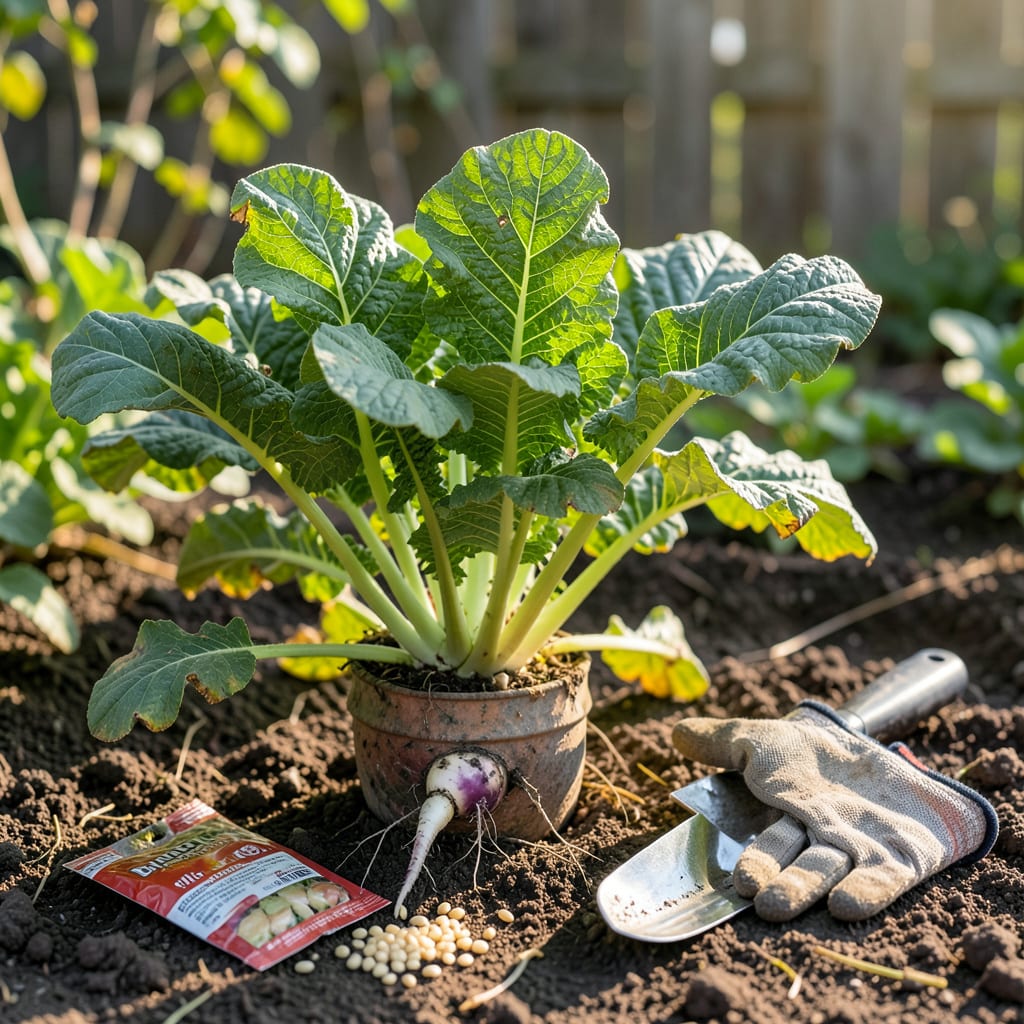
Growing Turnip Greens 🥗 in The South can be a rewarding experience when done right. In USDA Zone 8a, the climate allows for multiple planting seasons, making it possible to enjoy fresh greens throughout the year.
To achieve the best harvests, timing is everything. I’ll guide you through the optimal planting times and essential tips for cultivating delicious Turnip Greens in the Southern region.
When growing turnip greens in the South, understanding the region’s climate patterns is crucial for achieving the best harvests. The ideal planting times vary based on the specific location within the Southern United States.
The Southern region spans across different USDA Hardiness Zones, with Zone 8a being a common area for gardening. In this zone, turnip greens can be grown during two main seasons: fall and spring 🌱.
The fall season is particularly favorable for growing turnip greens as the cooler temperatures help prevent bolting and promote tender leaves. For a fall crop, it’s recommended to sow seeds 4-6 weeks before the first frost, which typically occurs around November 15 in USDA Zone 8a.
In contrast, the spring season offers another opportunity for planting turnip greens. To ensure a successful harvest, sow seeds 4-6 weeks before the last frost, which usually occurs around February 15 in Zone 8a.
Temperature plays a critical role in the growth of turnip greens. They thrive in cooler temperatures between 40°F and 75°F (4°C and 24°C). Extreme heat can cause the plants to bolt, while frost can damage or kill the crop 🌼.
To maximize yields, it’s essential to choose a variety suitable for the Southern climate. Some popular varieties include ‘Seven Top’ and ‘Shogoin’, which are known for their heat tolerance and flavor.
In addition to timing, soil preparation is vital for successful turnip greens cultivation. The soil should be well-draining and rich in organic matter. Adding compost or well-rotted manure can improve soil fertility and structure.
When planting turnip greens, sow seeds ¼ inch deep and 1-2 inches apart in rows that are 12-18 inches apart. Thin the seedlings to 4-6 inches apart as they grow to prevent overcrowding.
Turnip greens require consistent moisture, especially during germination and early growth. Keep the soil evenly moist but not waterlogged. Mulching can help retain soil moisture and suppress weeds.
Regular fertilization can promote healthy growth. Apply a balanced fertilizer (such as 10-10-10 NPK) every 4-6 weeks during the growing season. Follow the manufacturer’s instructions for application rates.
By understanding the optimal planting times and following these guidelines, gardeners in the South can enjoy a bountiful harvest of delicious turnip greens 🌿.
When growing turnip greens in the South, it’s essential to consider the regional variations in climate and temperature. The Southern United States encompasses different sub-regions, each with its unique characteristics that affect the optimal planting times 🌟.
The Deep South typically experiences a longer growing season, with mild winters and hot, humid summers. In this region, it’s best to plant turnip greens during the fall season (September to November) or early spring (February to March). These periods offer more favorable temperatures for growth 🌱.
In the Upper South, the climate is generally cooler than in the Deep South, with colder winters. Here, turnip greens can be planted in early spring (March to April) or late summer (August to September). These timing windows help avoid extreme temperatures and ensure a healthy crop 🌼.
Coastal areas within the South often have a more moderate climate, influenced by the ocean. When planting turnip greens in these regions, it’s crucial to avoid the hottest summer months and potential salt spray that can damage the plants. Instead, focus on the cooler months for planting 🌊.
For inland areas, the primary consideration is avoiding the extreme temperature fluctuations. Plant turnip greens during the milder seasons to achieve the best results. This typically means planting in early spring or fall, similar to the Upper South 🌾.
By understanding these regional variations and adjusting planting times accordingly, gardeners across the South can successfully cultivate turnip greens and enjoy a bountiful harvest 🌿.
To achieve a bountiful harvest of turnip greens in the South, it’s essential to follow some key cultivation tips beyond just the optimal planting times. Let’s explore these additional strategies that can help you grow delicious and healthy turnip greens 🌿.
For optimal growth, ensure your soil is well-draining and rich in organic matter. Add compost or well-rotted manure to improve soil fertility and structure.
When it comes to soil preparation, turnip greens prefer a slightly acidic to neutral soil pH, ranging from 6.0 to 7.0. Testing your soil pH and adjusting it if necessary can significantly impact the health of your crop 🌟.
Sowing seeds correctly is another critical factor. Plant seeds ¼ inch deep and 1-2 inches apart in rows that are 12-18 inches apart. As the seedlings grow, thin them to 4-6 inches apart to prevent overcrowding and promote healthy growth 🌱.
Water management is vital for turnip greens. They require consistent moisture, especially during germination and early growth. Keep the soil evenly moist but not waterlogged. Using mulch can help retain soil moisture and suppress weeds 🌼.
Fertilization plays a key role in promoting healthy growth. Apply a balanced fertilizer (10-10-10 NPK) every 4-6 weeks during the growing season. Always follow the manufacturer’s instructions for application rates to avoid over-fertilizing 📦.
To maximize your harvest, it’s crucial to monitor for pests and diseases. Common pests include aphids, flea beetles, and caterpillars. Regularly inspect your plants and use organic pest control methods when necessary to keep your crop healthy 🐜.
Finally, understanding when to harvest your turnip greens is essential. Harvest when the leaves are young and tender, usually 40-60 days after sowing. Regular harvesting will also encourage the plants to produce more leaves, giving you a continuous supply of fresh greens 🥗.
By following these additional tips, you can ensure a successful and bountiful harvest of turnip greens in the Southern region, enjoying fresh and delicious greens throughout the growing season 🌿.
In the Southern United States, particularly in USDA Zone 8a, the best times to plant turnip greens are during the fall (late August to early October) and spring (late February to early April) seasons. These periods offer the most favorable temperatures for growth.
Turnip greens prefer well-draining soil rich in organic matter. Test your soil pH and adjust it if necessary to maintain a slightly acidic to neutral range (6.0 to 7.0). Add compost or well-rotted manure to improve soil fertility and structure.
Turnip greens require consistent moisture, especially during germination and early growth. Water them weekly, providing about 1 inch of water. Mulching can help retain soil moisture and suppress weeds.
Turnip greens are ready to harvest 40-60 days after sowing when the leaves are young and tender. Regular harvesting encourages the plants to produce more leaves, giving you a continuous supply of fresh greens.
