
Beautiful Plants For Your Interior
Beautiful Plants For Your Interior
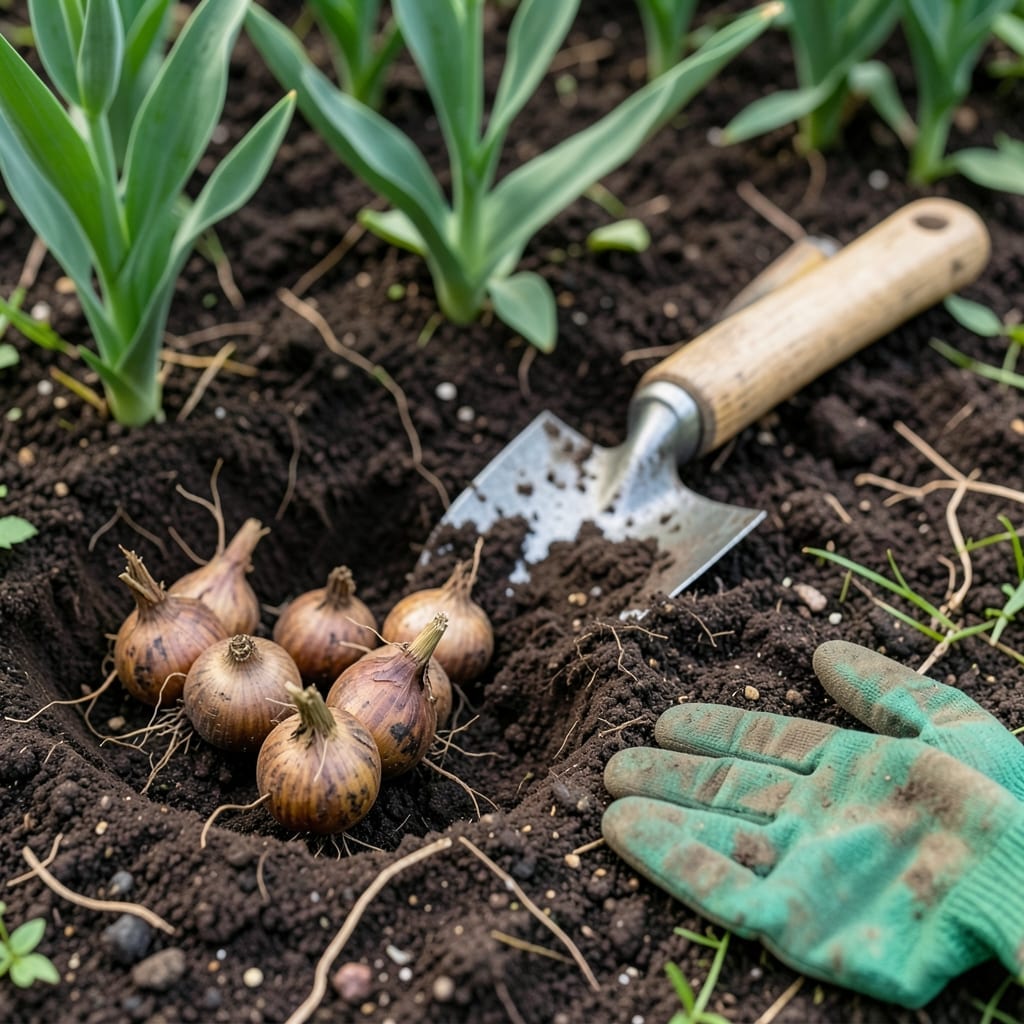
Tulips bring a burst of color to any garden, but timing is everything—especially in South Africa’s unique climate. Plant them too early or too late, and you might miss out on those stunning spring blooms.
The 🌷 Tulip thrives when planted at just the right moment. With our varied microclimates, knowing when to start can feel confusing. I’ll break it down so you can plant with confidence.
In zones 9a-10b, the ideal window is narrower than you might think. Get it right, and you’ll enjoy vibrant flowers when most gardens are still waking up.
Discover the exact months to plant for maximum impact and how to prepare your soil for success. Let’s make this your most colorful spring yet.
If you’re wondering when to plant tulips in South Africa, the answer depends on your region. South Africa’s diverse climates mean planting times vary significantly. I’ve found that cooler regions like Cape Town allow for earlier planting, while warmer areas need a later start.
For most gardeners, the ideal window falls between March and May. This timing ensures bulbs get the cold period they need to thrive. However, Johannesburg’s highveld climate differs from Durban’s coastal warmth.
| Region | Best Planting Months | Climate Notes |
|---|---|---|
| Cape Town | March–April | Cool winters, mild springs |
| Johannesburg | April–May | Cold winters, late frosts |
| Durban | May–June | Warm winters, humid summers |
| Pretoria | April–May | Similar to Johannesburg |
In Cape Town, the Mediterranean climate means you can start planting as early as March. The cooler nights help bulbs establish roots before spring. I’ve seen tulips bloom beautifully here with this timing.
For Johannesburg and Pretoria, wait until April or May. These areas experience late frosts, so planting earlier risks bulb damage. The soil needs to be consistently cool for best results.
Durban’s subtropical climate is trickier. Here, May to June works best. The warmth means bulbs need refrigeration before planting to mimic winter. I recommend chilling bulbs for 6–8 weeks prior.
If you’re in a milder coastal area like Port Elizabeth, March to April is ideal. The ocean moderates temperatures, creating perfect conditions. Just ensure well-draining soil to prevent rot.
For high-altitude areas, such as the Drakensberg, stick to April–May. The colder climate mimics a European winter, which tulips love. I’ve had great success with Darwin Hybrid varieties here.
Remember, soil temperature is key. Tulips need below 15°C (60°F) to root properly. Use a soil thermometer if you’re unsure. This small tool can make a big difference in your bloom success.
Finally, watering plays a role too. After planting, give bulbs a deep soak to settle the soil. Then, reduce watering until shoots appear. Overwatering can cause bulb rot, which I’ve learned the hard way!
With these regional tips, you’ll be set for stunning tulip displays no matter where you are in South Africa 🌷
Getting tulips to thrive in South Africa starts with soil prep. I always test my soil first to ensure it’s well-draining and slightly acidic. Tulip bulbs hate soggy feet, so amend heavy clay with compost or sand before planting.
Timing is critical for vibrant blooms. In most regions, March to May is your sweet spot. This aligns with cooler soil temps, which bulbs need to establish roots before spring growth kicks in.
After planting, I mark the spots to avoid accidental digging. Tulips need consistent moisture during their active growth phase, so I check soil moisture weekly, especially in drier regions like the Karoo.
Fertilizing is simple but often overlooked. I use a balanced bulb fertilizer (5-10-10) at planting and again when shoots emerge. This gives bulbs the nutrients they need for strong roots and vibrant flowers.
Pests can be an issue, so I keep an eye out for aphids and snails. A layer of crushed eggshells around the planting area deters slugs naturally. Neem oil sprays work well for aphids without harming beneficial insects.
Finally, after blooming, resist the urge to cut back foliage immediately. I let mine die back naturally for 6 weeks, allowing the plant to store energy for next year’s blooms. This simple step ensures my tulips return year after year 🌷