
Beautiful Plants For Your Interior
Beautiful Plants For Your Interior
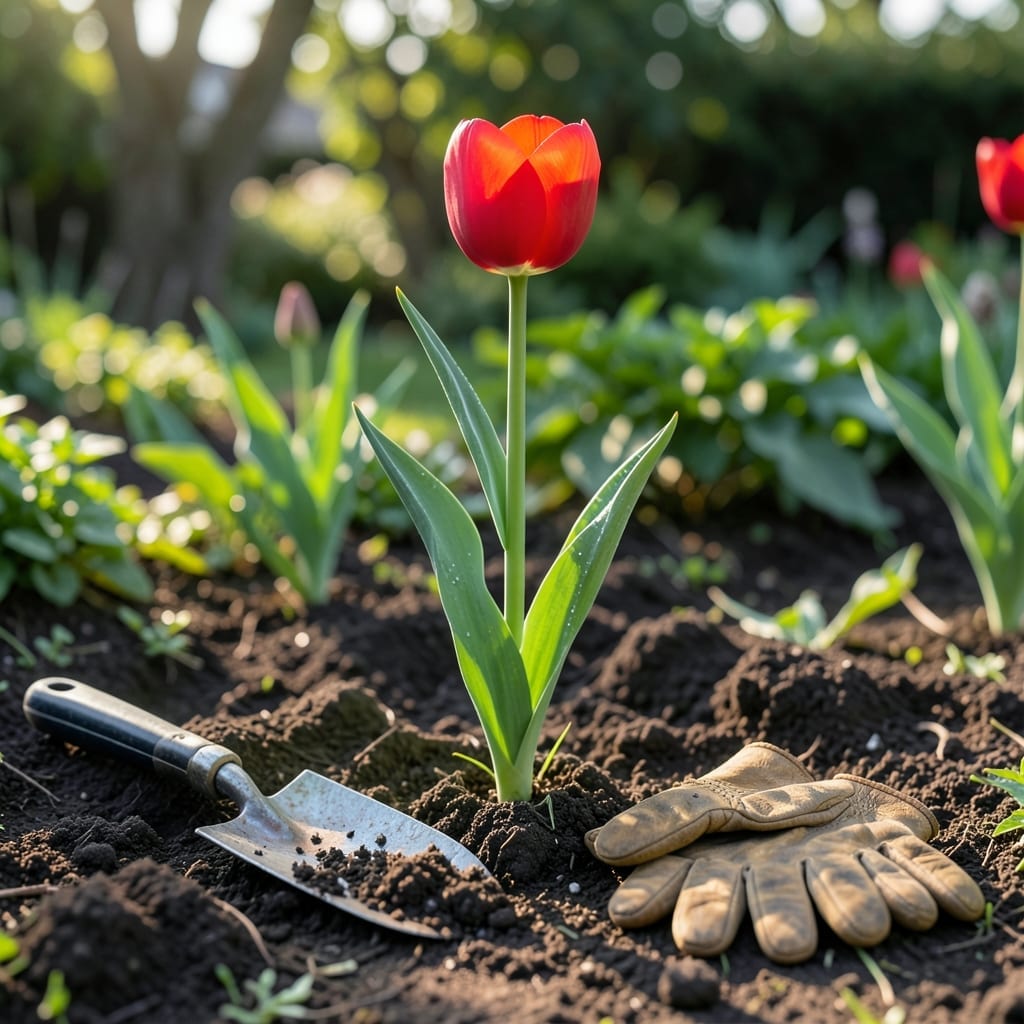
Timing is everything when planting Tulips in Nova Scotia’s maritime climate, where unpredictable weather can make or break your spring bloom. I’ve learned the hard way that even a week can mean the difference between vibrant flowers and disappointment.
Our 5b zone demands precision, and getting the timing right ensures your 🌷 will establish strong roots before winter hits. The window is tighter than you might think, and missing it could cost you next year’s display.
I’ll show you exactly when to get those bulbs in the ground for the best results. We’ll cover the key factors that Nova Scotia gardeners need to consider.
Discover how to work with our unique climate instead of against it, and set yourself up for a stunning spring garden.
Nova Scotia’s maritime climate creates unique challenges for tulip planting, but timing it right ensures vibrant spring blooms. The key is to get bulbs in the ground before the first hard frost, typically in September or October. 🌷
I always aim to plant 6-8 weeks before the ground freezes, which gives tulip bulbs enough time to establish strong root systems before winter dormancy. This window aligns perfectly with Nova Scotia’s USDA zones 5-7. 🌱
| Planting Factor | Nova Scotia Guidance |
| Best Months | September-October |
| Soil Temperature | Below 60°F |
| Frost Deadline | 6-8 weeks before freeze |
| Depth | 6-8 inches deep |
| Spacing | 4-6 inches apart |
In Halifax and coastal areas, I recommend planting closer to late September because the ocean moderates temperatures, delaying frost. Inland areas like Annapolis Valley can often wait until mid-October for ideal conditions. ☀️
The soil temperature should be below 60°F at planting depth to prevent premature sprouting. Use a soil thermometer if you’re unsure—this simple tool removes all the guesswork from timing. 🌡️
I’ve found that planting in well-draining soil is especially critical in Nova Scotia, where heavy rains can waterlog beds. Consider raised beds if your garden has clay soil that retains too much moisture. 💧
Remember that tulip bulbs need that cold period to trigger spring blooming. Planting too early in warm soil can lead to blind bulbs that won’t flower. 🌷
For the best results, I suggest watering thoroughly after planting to settle the soil and eliminate air pockets. Then, mulch with straw to insulate the bulbs from temperature swings. ✂️
Nova Scotia’s first frost typically arrives around October 15, making early October the latest I’d recommend for planting. This gives bulbs enough time to grow roots but not shoots before winter. ⏰
If you miss the window, don’t despair—you can still plant bulbs in November if the ground isn’t frozen. Just add extra mulch protection and hope for the best. The earlier you plant, the better your chances for spectacular spring color. 🌻
Planting tulips in Nova Scotia’s maritime climate requires more than just good timing. I’ve seen many gardeners struggle because they overlook the unique challenges of our coastal environment. The Atlantic’s influence means moisture and microclimates play a huge role in success.
One of the biggest mistakes is planting too late. If bulbs go in after the first frost, they won’t establish strong roots before winter. Another issue is ignoring drainage in heavy clay soils, which can rot bulbs during wet falls.
⚠️ Watch Out for These Pitfalls
Planting after October 15 risks poor root growth before winter dormancy.
Heavy clay or sandy soils without amendments can suffocate bulbs or drain too quickly.
Ignoring microclimates near the coast can expose tulips to harsh winds or salt spray.
Another common error is not accounting for salt spray in coastal areas. Tulips planted too close to the shore can suffer from salt damage. I always recommend adding a windbreak or choosing a slightly more sheltered spot.
Poor soil preparation is another culprit. Nova Scotia’s soils can be acidic or compacted, which tulips hate. Testing your soil’s pH and adding compost or sand can make a world of difference.
Don’t forget about depth either. Planting bulbs too shallow leaves them vulnerable to freezing, while planting too deep can delay sprouting. Aim for 6-8 inches deep, with the pointy end facing up.
Finally, neglecting mulching after planting can expose bulbs to temperature swings. A 2-3 inch layer of straw or leaves helps insulate the soil and retain moisture without waterlogging.
Taking these steps ensures your tulips thrive despite our challenging coastal conditions 🌷