
Beautiful Plants For Your Interior
Beautiful Plants For Your Interior
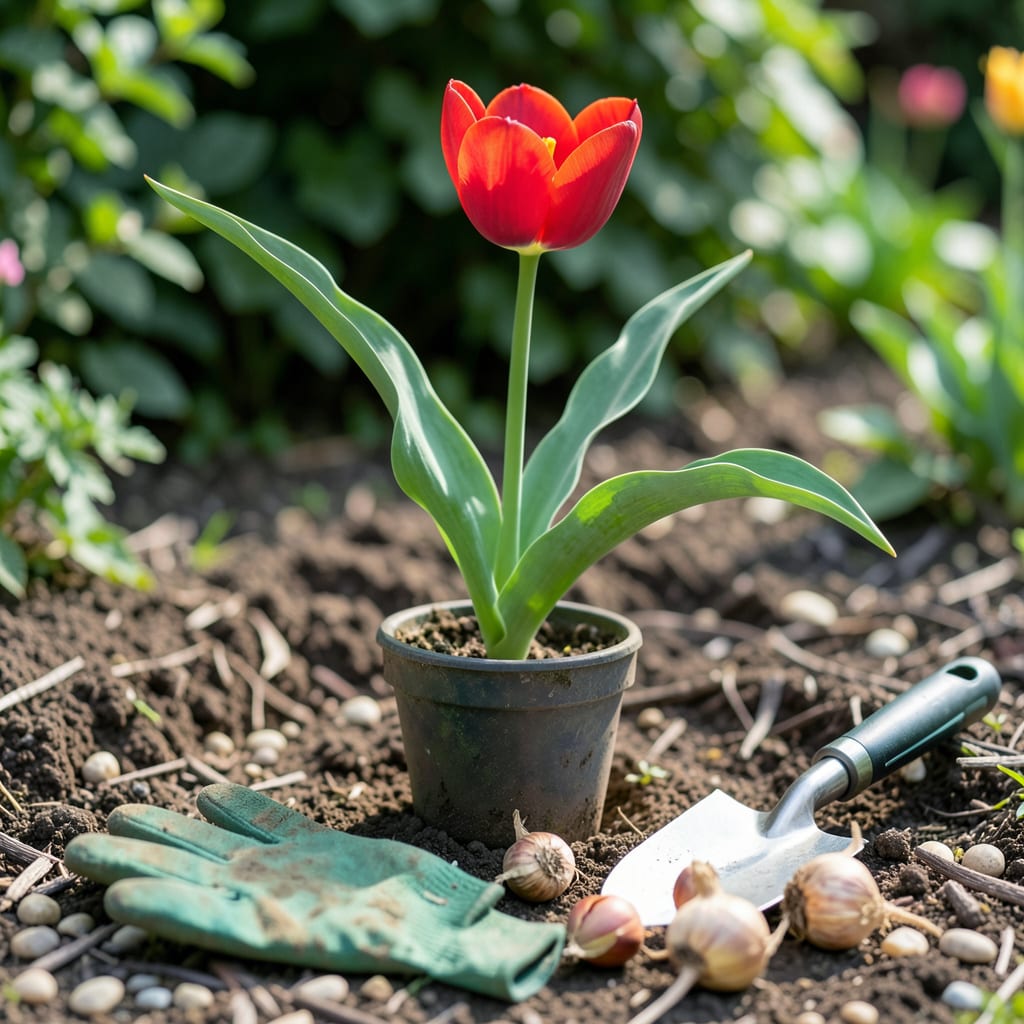
Planting tulips in North Carolina requires precise timing to achieve spectacular spring blooms 💐. The ideal time is in the fall, about 6-8 weeks before the ground freezes.
In North Carolina’s USDA Zone 7b, this typically falls between September and November. Planting during this window allows tulips to establish roots before winter, ensuring a vibrant display come spring.
Planting tulips in North Carolina requires understanding the state’s climate zones and ideal planting windows. North Carolina falls within USDA Hardiness Zones 6b to 8a, with the majority of the state being Zone 7b. This variation affects when to plant tulips for optimal growth.
The ideal time to plant tulips in NC is during the fall season, typically between September and November. This allows the bulbs to establish roots before winter, ensuring a vibrant display come spring 🌼.
Understanding these factors helps gardeners in North Carolina determine the best planting time for their specific region. The fall planting allows tulips to develop a strong root system before the ground freezes, leading to healthier plants and more vibrant blooms in the spring 🌻.
For regions in western North Carolina, which may be in a slightly cooler zone, planting might be slightly earlier (late August to early September), while coastal areas might plant later (October to November) due to their specific climate conditions 🌊.
Tulip bulbs should be planted at a depth 2-3 times their height and spaced about 3-6 inches apart. Proper soil preparation is also crucial, as tulips prefer well-draining soil with a pH between 6.0 and 7.0 🌿.
By planting tulips during the recommended fall window and following proper planting techniques, North Carolina gardeners can enjoy a beautiful spring display of these popular flowers 💐.
It’s also important to note that tulips require a period of cold winter dormancy to bloom well in the spring. This natural cold period is essential for the bulbs to break dormancy and produce flowers 🌼.
In North Carolina’s climate, tulips typically bloom in the spring, from March to May, depending on the specific variety and weather conditions 🌷.
To ensure successful tulip cultivation, gardeners should also be aware of potential challenges such as squirrels and other wildlife that may damage the bulbs or flowers 🐿️.
Overall, with proper timing and care, tulips can be a beautiful and rewarding addition to any North Carolina garden, providing vibrant color and beauty in the spring 🌸.
Preparing the soil properly is crucial for successful tulip cultivation in North Carolina. Tulips require well-draining soil with a pH between 6.0 and 7.0 to thrive 🌿.
The first step in soil preparation is to test your soil’s pH level. You can purchase a soil testing kit or consult with your local nursery for guidance 📊.
For optimal tulip growth, mix compost or well-rotted manure into the soil before planting to improve its structure and fertility 🌼.
Once you’ve determined your soil’s pH level, you can take steps to adjust it if necessary. If your soil is too acidic, add lime to raise the pH. If it’s too alkaline, add sulfur or peat moss to lower it 🔬.
In addition to adjusting the pH, it’s essential to improve soil drainage. Tulips don’t like wet feet, so mixing in organic matter like compost can help prevent waterlogged soil 🌿.
When planting tulips,
Plant tulip bulbs at a depth 2-3 times their height and space them about 3-6 inches apart. This will give them enough room to grow and allow for good air circulation 🌸.
By following these soil preparation tips and planting guidelines, you’ll be well on your way to growing beautiful, thriving tulips in North Carolina 💐.
For more specific advice tailored to your region, consider consulting with local gardening experts or your county’s cooperative extension office 📚.
With proper soil preparation and care, you can enjoy a vibrant display of tulips in your North Carolina garden come spring 🌷.
After planting tulips in North Carolina, proper care is essential to ensure they bloom beautifully in the spring 🌼. One of the most critical factors is watering. Tulips need moderate watering during the fall to establish roots.
By following these care tips, you can enjoy a vibrant display of tulips in your North Carolina garden come spring 🌷. Proper care not only ensures beautiful blooms but also helps the bulbs naturalize and return year after year.
It’s also important to be aware of potential challenges such as squirrels and other wildlife that may damage the bulbs or flowers 🐿️. Using physical barriers or repellents can help protect your tulips.
With the right care and attention, tulips can be a beautiful and rewarding addition to any North Carolina garden, providing vibrant color and beauty in the spring 🌸.
In North Carolina’s climate, tulips typically bloom in the spring, from March to May, depending on the specific variety and weather conditions 🌼.
To maximize the blooming period, consider planting a mix of early, mid-season, and late-blooming tulip varieties. This will extend the flowering season and provide a continuous display of color in your garden 🌺.
The ideal time is during fall, between September and November, about 6-8 weeks before the ground freezes. This allows bulbs to establish roots before winter. Planting during this window ensures a vibrant spring display .
Tulips require well-draining soil with a pH between 6.0 and 7.0. Test your soil’s pH and adjust if necessary. Mix in compost or well-rotted manure to improve soil structure and fertility .
Plant tulip bulbs at a depth 2-3 times their height and space them about 3-6 inches apart. This allows for proper growth and air circulation. Proper spacing helps prevent disease and promotes healthy blooms .
Water thoroughly after planting and keep soil moist but not waterlogged. Apply a low-nitrogen, high-phosphorus fertilizer after planting. Remove spent flowers and allow foliage to die back naturally for best results .
