
Beautiful Plants For Your Interior
Beautiful Plants For Your Interior
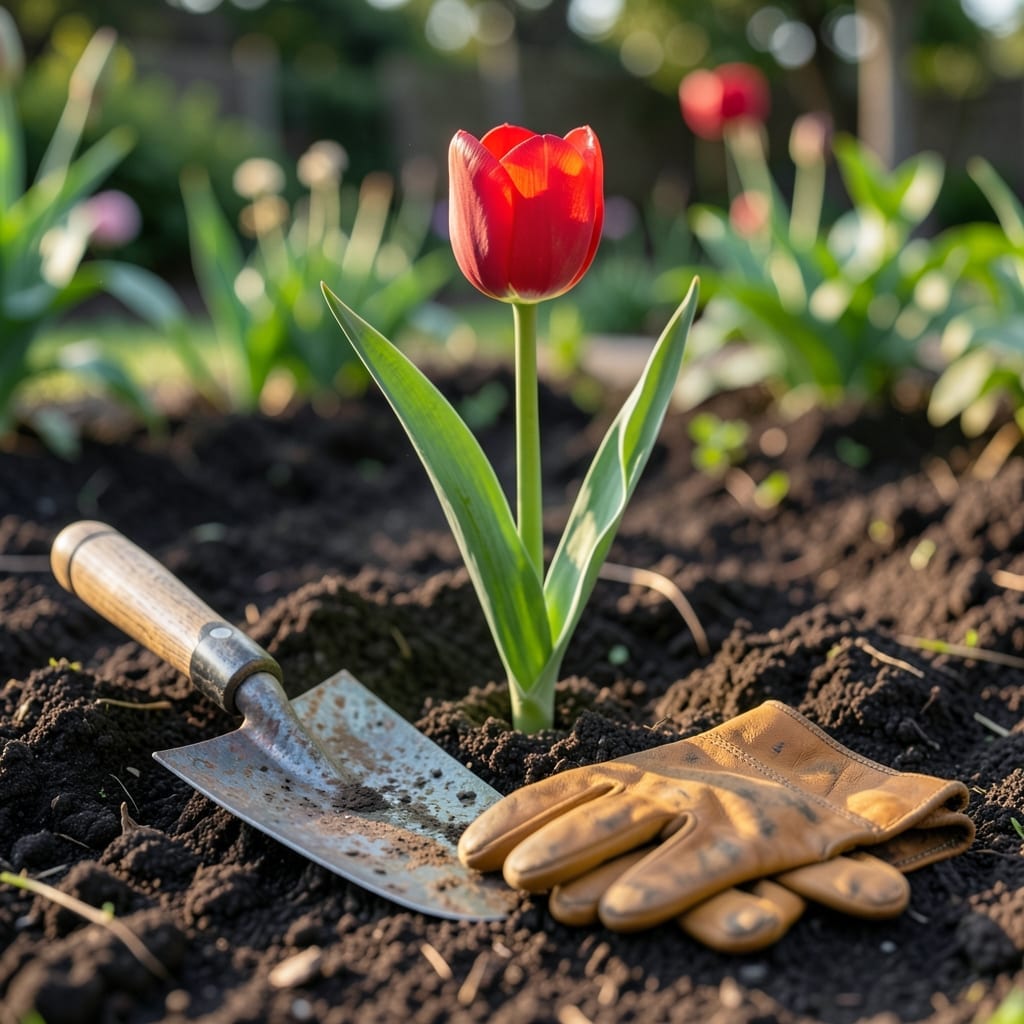
Timing is everything when it comes to planting Tulips 🌷 in Indiana. Get it right, and you’ll be rewarded with vibrant blooms come spring.
In our 5b-6a zone, the window is narrow but critical. Plant too early, and bulbs may sprout prematurely; too late, and they won’t establish roots before winter.
I’ve learned the hard way that fall is the only reliable season for this task. The soil needs to cool, but not freeze, for the magic to happen.
Discover the exact months and techniques that ensure your Indiana Tulips thrive. Let’s dig into the details that make all the difference.
In Indiana’s Zone 5 climate, the optimal tulip planting window is from mid-October to early November. This timing ensures bulbs establish roots before winter dormancy, leading to vibrant spring blooms. I always aim for 6-8 weeks before the first hard frost.
The soil temperature should drop below 60°F at planting depth (about 6 inches). This triggers root growth while preventing premature sprouting. Planting too early in warm soil risks rot, while late planting may not allow enough root development.
🌱 Key Takeaway: Indiana Tulip Planting
Plant tulip bulbs in October-November when soil is below 60°F. Aim for 6-8 weeks before frost for strong root growth before winter.
I’ve found that northern Indiana gardeners should plant earlier in October due to earlier frost dates. In southern regions, you can push planting into early November as the ground stays warmer longer. Always check your local frost dates for precision.
For the best results, choose healthy, firm bulbs and plant them pointy-end up at a depth of 2-3 times their height. In Indiana’s clay-heavy soils, I recommend adding compost or sand to improve drainage and prevent bulb rot.
Sunlight exposure is crucial for tulips. Select a spot with full sun (at least 6 hours daily). In Indiana, south-facing locations work best, but east-facing areas can also thrive. Avoid low-lying spots where water pools after rain.
After planting, I water thoroughly to settle the soil and encourage root growth. Then, I add a 2-3 inch layer of mulch (straw or shredded leaves) to insulate the soil. This protects bulbs from temperature fluctuations and retains moisture.
Many gardeners ask about fertilizing at planting time. I use a low-nitrogen, high-phosphorus bulb fertilizer (like 5-10-10) mixed into the soil below the bulbs. This supports root development without promoting premature top growth.
Monitor your planting site through winter. If Indiana delivers an unusually warm spell, your tulips might start sprouting early. Don’t panic—this is normal. However, if hard freezes follow, add extra mulch for protection.
By spring, you’ll see green shoots emerging as the soil warms. This is when the magic happens! Your careful timing and preparation in fall will reward you with stunning tulip blooms from March to May, depending on the variety. ☀️
Remember, Indiana’s unpredictable weather means flexibility is key. If you miss the ideal window, you can still plant bulbs in early December if the ground isn’t frozen. Just be sure to mulch heavily for insulation.
I often get asked if spring planting works for tulips in Indiana. The short answer is yes, but with major caveats. Our Zone 5 climate isn’t ideal for it.
Tulips need a 12-14 week chilling period at 40-45°F to bloom properly. Indiana springs often warm too quickly, skipping this requirement. Weak stems and no flowers are common results.
⚠️ Spring Planting Warning
Planting tulips in spring often leads to blind bulbs (no flowers) or stunted growth. Pre-chilled bulbs improve success rates, but fall planting remains the gold standard.
If you’re determined to try, pre-chilled bulbs are your best bet. Purchase them from reputable suppliers who’ve stored them at proper temperatures. Plant them as early as possible in spring.
Another workaround is container planting. Start bulbs in pots indoors, then move them outside. This gives you more temperature control during the critical chilling period.
Even with these methods, spring-planted tulips often bloom a year later than fall-planted ones. They may also produce smaller flowers or fewer blooms per stem.
For the best results, stick to fall planting between mid-October and early November. This mimics the natural cycle tulips need for spectacular spring displays. 🌷