
Beautiful Plants For Your Interior
Beautiful Plants For Your Interior
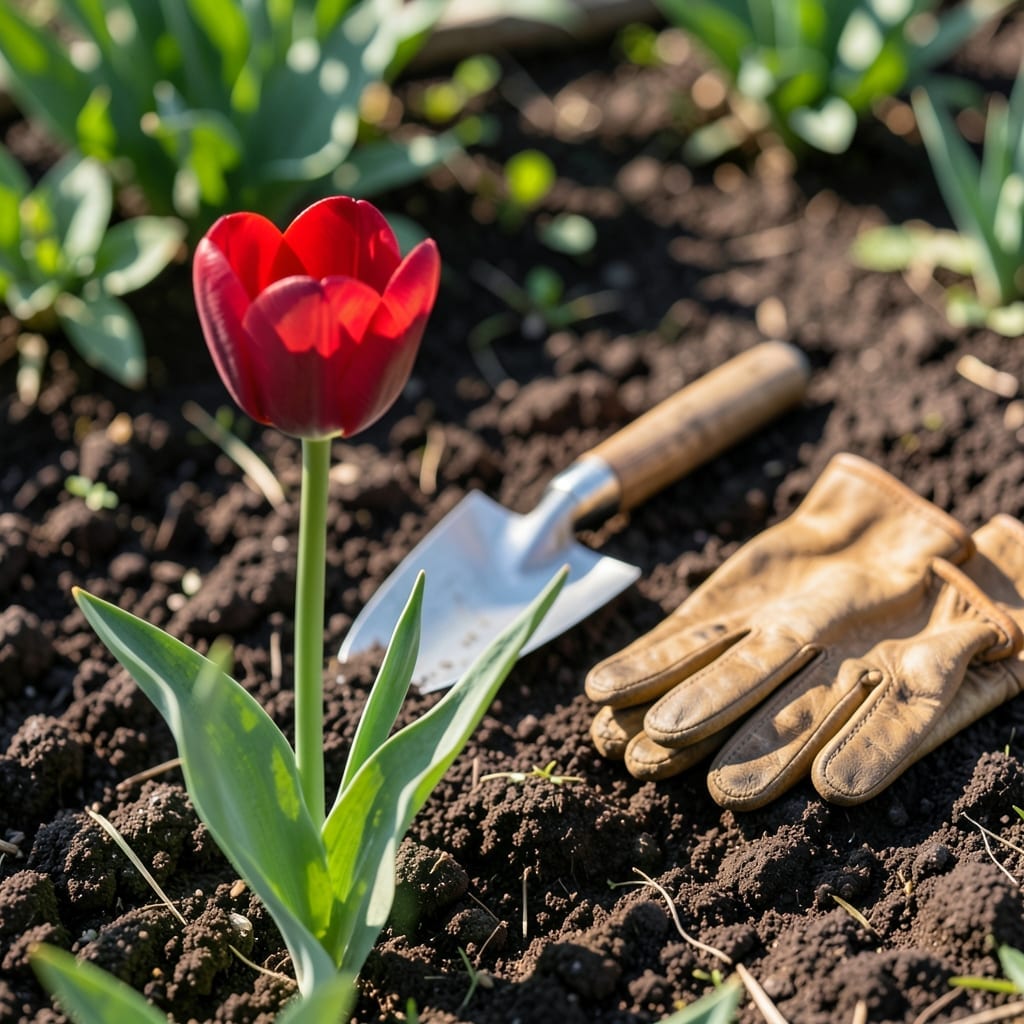
Timing is everything when planting tulips in Idaho’s unique mountain climate. Plant too early, and bulbs may sprout prematurely; too late, and they’ll miss their spring bloom window.
I’ve seen gardeners struggle with 🌷 Tulip timing, but getting it right means vibrant blooms come March. The key lies in understanding Idaho’s zones 4-7 and seasonal shifts.
Whether you’re in Boise or the rugged north, fall planting is non-negotiable. The soil temperature and frost dates play the most important role in root establishment.
Discover exactly when to dig in those bulbs for a spectacular spring display. Let’s make your garden the talk of the neighborhood.
Idaho’s mountain climate demands precise timing for planting tulip bulbs. The sweet spot is 6-8 weeks before the first hard frost, which typically hits in mid-October. This window allows roots to establish before winter dormancy.
In most of Idaho, that means planting from early September to mid-October. Soil temperatures below 60°F signal it’s time to get bulbs in the ground. This timing ensures strong root growth without premature sprouting.
In Zone 7 (Boise area), you can push planting to late October if winters are mild. But in Zones 4-5 (northern Idaho), aim for early September to beat the freeze. Always check your local frost dates for accuracy.
Soil preparation is key. I recommend testing your soil pH (tulips prefer 6.0-7.0) and amending with compost for drainage. Plant bulbs 6-8 inches deep, pointed end up, in well-draining soil to prevent rot.
For cold protection, add a 2-3 inch layer of mulch after planting. This insulates bulbs from freeze-thaw cycles that can damage roots. Straw or shredded leaves work well in Idaho’s climate.
Elevation plays a big role in Idaho. For every 1,000 feet above sea level, temperatures drop 3-5°F. If you’re gardening in higher elevations, plant bulbs 2-3 weeks earlier than suggested for your zone.
After planting, water thoroughly to settle soil and encourage root growth. Then, water weekly until the ground freezes. This helps roots establish before winter dormancy kicks in.
Remember, tulips need a cold period to bloom. Idaho’s winters provide this naturally, but if you’re in a warmer microclimate, consider pre-chilling bulbs for 12-14 weeks before planting.
With the right timing and care, your Idaho tulips will reward you with vibrant spring blooms that brighten up your garden after the long winter.
🌷Idaho’s diverse climate means tulip planting timing varies by region. In the Boise Valley, aim for late September to early October. The warmer fall allows bulbs to establish roots before winter sets in.
For Northern Idaho and higher elevations, plant earlier in mid-September. Colder temperatures arrive sooner, so bulbs need extra time to root before the ground freezes.
In the Eastern Mountain areas, early September is ideal. The short growing window demands quick root establishment before the first hard frost hits.
No matter the region, always plant tulips when soil temperatures drop below 60°F. This ensures bulbs stay dormant until spring, avoiding premature sprouting.
I always recommend adding compost to the planting hole for extra nutrients. This gives tulips a strong start, especially in Idaho’s sometimes rocky soil.
Finally, mulch heavily after planting to insulate bulbs from freezing temperatures. A 2-3 inch layer of straw or wood chips works perfectly.
This simple step can make the difference between a vibrant spring display and a disappointing no-show 🌷