
Beautiful Plants For Your Interior
Beautiful Plants For Your Interior
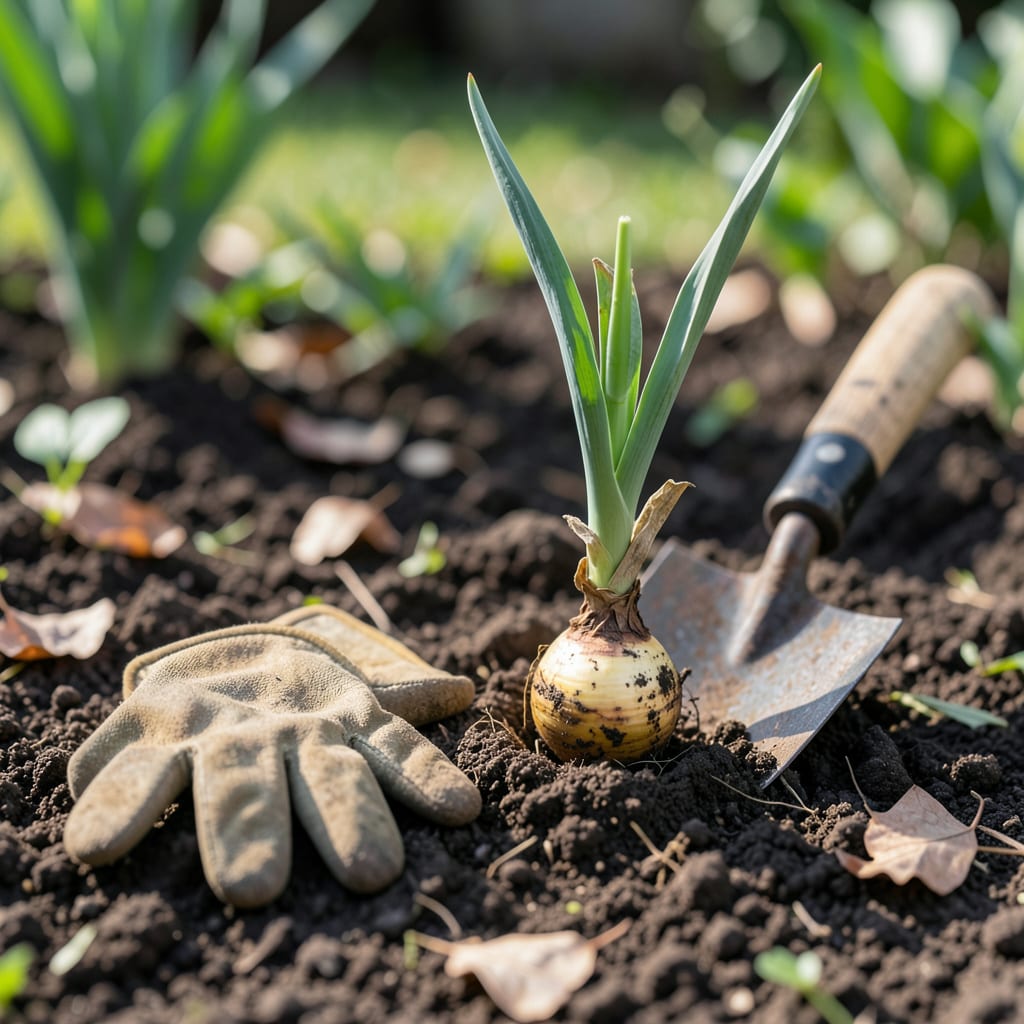
As a Colorado gardener, I’ve learned that timing is everything when it comes to planting tulips 💐. The key to vibrant spring blooms lies in planting at the right moment in the fall.
In Colorado’s climate, particularly in zone 5b, the ideal time to plant tulips is from September to November, about 6-8 weeks before the ground freezes. This allows the bulbs to establish roots before winter, setting them up for a stunning display come May.
When it comes to planting tulips in Colorado, timing is everything. The state’s climate presents unique challenges for gardeners, making it crucial to understand the best time to plant for optimal growth.
I recommend planting tulips in the fall, about 6-8 weeks before the ground freezes. This allows the bulbs to establish roots before winter, setting them up for a vibrant display come spring 🌼.
Understanding Colorado’s climate zones is essential for successful tulip cultivation. The state spans multiple zones, but most regions fall within zone 5b, which experiences cold winters and moderate summers 🌡️.
The ideal planting time allows tulips to develop roots before the ground freezes. This typically means planting between September and November, when temperatures are cooler but the soil is still workable 🌿.
Colorado’s first frost date usually occurs around September 15, marking the beginning of the planting window. Gardeners should aim to plant tulips 6-8 weeks before this date to ensure proper root establishment ❄️.
During this period, tulip bulbs can develop the necessary root system to survive winter and produce healthy growth in spring. This timing is critical for achieving vibrant blooms come May and June 🌸.
While September to November is ideal, August can be a good alternative in warmer years, and December might work in mild winters. However, these are less reliable options and require careful monitoring of weather conditions ⏰.
For optimal results, gardeners should also consider factors like soil quality, drainage, and sunlight exposure when planting tulips. Proper care during the planting phase sets the foundation for long-lasting, healthy blooms 🌻.
By planting at the right time and providing appropriate conditions, Colorado gardeners can enjoy a spectacular tulip display each spring, making the effort well worth the planning and preparation 💐.
In summary, the key to successful tulip cultivation in Colorado lies in understanding the local climate and planting at the optimal time. By doing so, gardeners can look forward to a beautiful and vibrant spring display 🌼.
With proper timing and care, tulips can thrive in Colorado’s climate, providing a stunning floral display that brightens up any garden or landscape 🌸.
Preparing the soil properly is crucial for successful tulip cultivation in Colorado. I always start by testing my soil to determine its pH level and nutrient content. Colorado’s soil tends to be alkaline, so it’s essential to adjust the pH if necessary 🌿.
The ideal soil for tulips is well-draining and rich in organic matter. I recommend adding compost or well-rotted manure to improve soil structure and fertility. This not only helps with drainage but also provides essential nutrients for healthy tulip growth 🌱.
When preparing your soil, avoid using fresh manure as it can introduce diseases and pests. Instead, opt for composted organic matter to create a healthy growing environment for your tulips.
When planting tulips, I
In Colorado’s climate, it’s also important to consider the soil’s moisture levels. Tulips need adequate moisture during the growing season, but the soil should be dry during the summer months. I recommend watering thoroughly after planting and then reducing watering as the weather cools down ⛔️.
Another key factor is soil depth. Tulip bulbs should be planted at a depth that’s 2-3 times their height. This helps to protect them from extreme temperatures and ensures they have enough room to grow 🌼.
By following these soil preparation tips, you can create an ideal environment for your tulips to thrive in Colorado’s climate.
With the right soil preparation and care, your tulips will be well on their way to a stunning display come spring. Happy planting! 🌸
After planting tulips in Colorado, proper care is essential for achieving long-lasting blooms. I recommend focusing on watering, fertilizing, and deadheading to ensure healthy tulip displays 🌼.
Proper watering techniques are crucial during the growing season. Tulips need adequate moisture during spring when they’re actively growing, but the soil should be dry during the summer months 🌞.
Fertilization is another important aspect of tulip care. I recommend using a 5-10-10 NPK fertilizer after planting, as this promotes root development and overall plant health 🌿.
Deadheading is a simple yet effective technique to encourage tulips to focus their energy on re-growing and storing energy for next year’s bloom. By removing spent flowers, you can enjoy a more vibrant display year after year 💐.
In addition to these care strategies, it’s essential to allow the foliage to die back naturally after blooming. This process can take several weeks to a few months, depending on the variety and weather conditions 🌼.
By following these post-planting maintenance tips, you can enjoy a stunning tulip display in your Colorado garden for years to come. With proper care and attention, your tulips will continue to thrive and provide a beautiful spring spectacle 🌸.
For long-term success, remember that tulips are perennial in Colorado’s climate, meaning they’ll come back year after year with proper care. Enjoy the process of nurturing these beautiful flowers, and happy gardening! 🌻.
The ideal time to plant tulips in Colorado is in the fall, from September to November, about 6-8 weeks before the ground freezes. This allows the bulbs to establish roots before winter.
While it’s technically possible to plant tulips in the spring, it’s not recommended in Colorado’s climate. Spring-planted tulips often don’t perform well due to the state’s dry summers and hot temperatures.
Plant tulip bulbs at a depth that’s 2-3 times their height. This helps protect them from extreme temperatures and ensures they have enough room to grow. For most tulips, this means planting 6-8 inches deep.
Yes, tulips need proper care after planting. Water them thoroughly after planting, then reduce watering as the weather cools. Also, consider fertilizing with a low-nitrogen, high-phosphorus fertilizer to promote healthy growth.
