
Beautiful Plants For Your Interior
Beautiful Plants For Your Interior
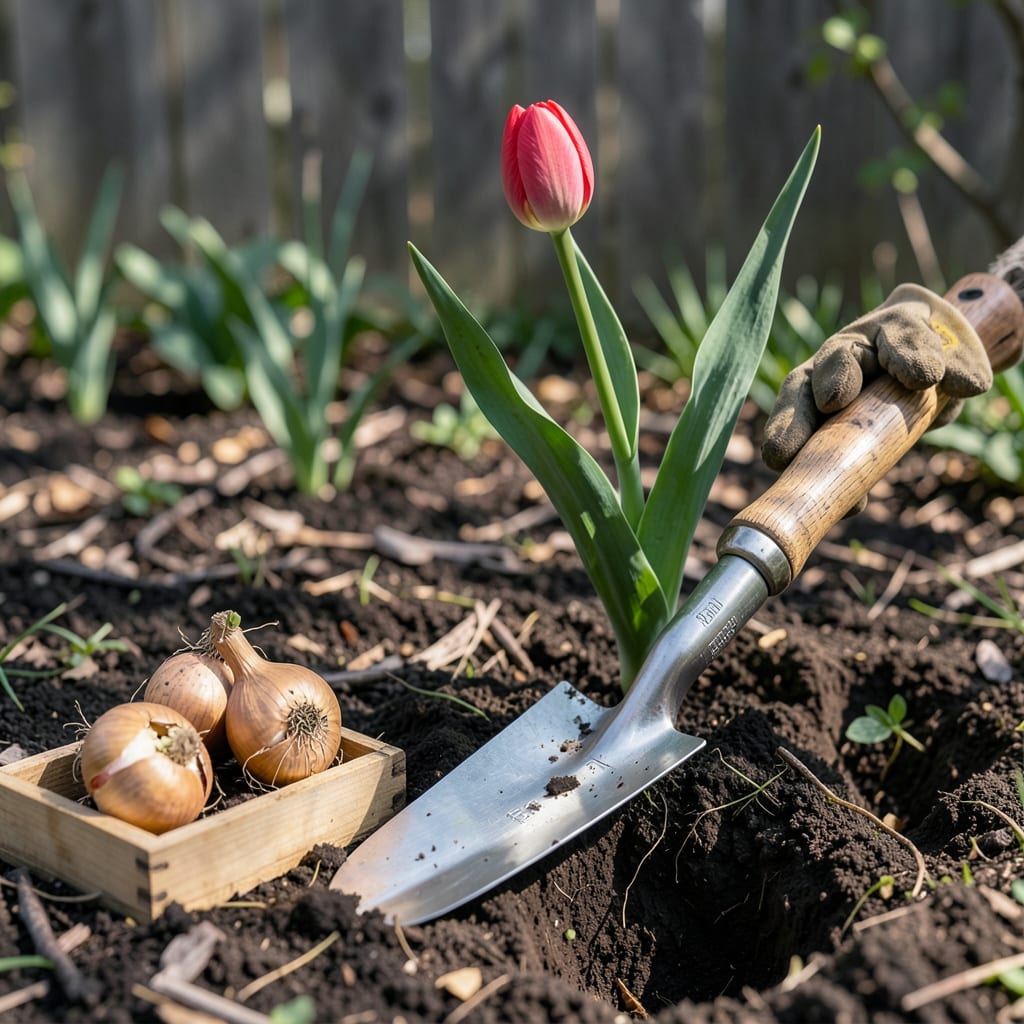
Dreaming of a garden bursting with vibrant 🌷 tulips next spring? In California, timing isn’t just important—it’s everything. Plant too early, and your bulbs might rot; wait too long, and you’ll miss the window for those stunning blooms.
I’ve tested the perfect fall planting schedule across California’s zones, from foggy coasts to warm inland valleys. Whether you’re in 10a or 7b-9b, I’ll show you exactly when to get those bulbs in the ground for a showstopping display. Let’s dig in.
If you’ve ever dreamed of a spring garden bursting with tulips, California’s varied climates mean timing is everything. Unlike colder states, our mild winters and diverse microclimates—from foggy coasts to scorching inland valleys—demand precise planning. Plant too early, and bulbs may rot; too late, and you’ll miss the show.
Here’s the golden rule: Tulips need 6-8 weeks of chilling (below 50°F) to bloom. In coastal zones (like San Francisco or LA), where winters are gentle, you’ll need to pre-chill bulbs in the fridge. Meanwhile, inland gardeners (Sacramento, Fresno) can plant directly in fall as temps drop.
| Region | USDA Zone | Planting Window | Chill Requirement | Pro Tip |
|---|---|---|---|---|
| Coastal (SF, LA, SD) | 9-10 | Dec–Jan | Pre-chill 6-8 weeks in fridge | Plant in well-draining soil; avoid summer waterlogging |
| Central Valley (Sacramento, Fresno) | 7b-9a | Oct–Nov | Natural chill (no pre-chilling needed) | Add mulch to insulate against heat spikes |
| Mountain/Foothills (Tahoe, Shasta) | 5-7a | Sep–Oct | Natural chill (plant early for frost protection) | Use deer-resistant varieties like ‘Tulipa greigii’ |
| Desert (Palm Springs, Death Valley) | 8b-9a | Nov–Dec | Pre-chill 8+ weeks; plant in partial shade | Avoid clay soil—amend with sand/compost |
In coastal areas, where winters rarely dip below 40°F, I recommend pre-chilling bulbs in the fridge’s crisper drawer (away from fruit—ethylene gas can damage them!). Aim for 6-8 weeks before planting in December or January for March–April blooms.
For inland gardeners, the sweet spot is October–November, once soil temps hit 60°F or below. Use a soil thermometer to check—planting too early in warm soil can lead to rot or weak roots. I’ve found that ‘Darwin Hybrid’ tulips thrive here thanks to their heat tolerance.
Up in the mountains, where frost arrives early, get bulbs in by late September. Choose early-blooming varieties like ‘Tulipa fosteriana’ to avoid late-spring frosts. A 2-inch mulch layer (straw or shredded leaves) protects bulbs from freeze-thaw cycles.
Desert gardeners face a double challenge: intense heat and poor soil. Plant in November–December, after pre-chilling, and opt for shadier spots to prevent scorching. Amend soil with compost and perlite to improve drainage—tulips hate wet feet!
No matter your zone, plant bulbs 6–8 inches deep (measure from the bulb’s base) and 4–6 inches apart. Water deeply after planting to settle soil, then reduce watering until sprouts appear in late winter. Trust me—your patience will pay off with a spectacular spring display! 🌷
Pro tip: If squirrels or gophers are a problem, line planting holes with hardware cloth or use repellent bulbs like daffodils nearby. I’ve saved countless tulips this way!
Remember, California’s microclimates can vary wildly even within a zone. When in doubt, check your local frost dates and adjust accordingly. Happy planting—your future self will thank you come spring! 🌿
Even with perfect timing, small errors can sabotage your tulip display. After years of trial (and error!), I’ve pinpointed the three biggest mistakes California gardeners make—along with easy fixes to save your blooms. Let’s avoid these pitfalls together.
First up: skipping the chill. In our mild winters, especially along the coast, tulip bulbs often don’t get the 6-8 weeks of cold they need to bloom. Without this, you’ll get leafy greens but no flowers. The fix? Pre-chill bulbs in your fridge for 8+ weeks before planting.
The second blunder? Planting too shallow. In California’s warm soil, bulbs planted at the standard 6-inch depth can overheat. I’ve lost count of how many gardeners ask why their tulips fizzled out—only to find they planted too close to the surface. Dig deeper: 8 inches in hot zones.
Third, ignoring soil prep is a recipe for disaster. Our clay-heavy soils (looking at you, Central Valley!) hold moisture, which causes bulbs to rot. Before planting, amend beds with compost and perlite to improve drainage. A simple soil test can save you heartache—aim for a pH of 6.0–7.0.
Bonus tip: Avoid overwatering after planting. Tulips need moisture to root, but soggy soil = fungus. Water once deeply after planting, then hold off until sprouts appear in late winter. I use a moisture meter to take the guesswork out of it.
Lastly, don’t forget pest protection. Squirrels and gophers adore tulip bulbs like a buffet. I’ve had entire beds dug up overnight! Protect bulbs by planting them in wire cages or interplanting with daffodils (which critters avoid). A sprinkle of red pepper flakes in the hole can also deter diggers.
By sidestepping these mistakes, you’ll set your tulips up for a spectacular spring debut. Trust me—your future self will high-five you when those vibrant blooms pop up! 🌷
Not all tulips thrive in California’s mild winters and hot springs. After testing dozens of varieties, I’ve found the top performers that handle our unique climate with grace. These cultivars don’t just survive—they flourish, delivering bold blooms year after year.
The secret? Look for heat-tolerant and early-blooming varieties. Traditional Dutch tulips often struggle here, but these California-tough picks laugh at our warm winters and dry springs. Here’s my shortlist of winners, tested in gardens from Sacramento to San Diego.
For coastal gardeners (Zones 9-10), ‘Tulipa clusiana’ is my #1 pick. It naturalizes easily, spreads over time, and blooms reliably even without much winter chill. Pair it with ‘Lady Tulip’ for a low-water, high-impact combo that thrives in sandy soil.
In the Central Valley (Zones 7b-9a), ‘Darwin Hybrids’ like ‘Apeldoorn’ or ‘Beauty of Apeldoorn’ are powerhouses. They return for 3-5 years with minimal care and handle heat spikes better than most. I plant mine in full sun with a thick mulch to keep roots cool.
Mountain gardeners (Zones 5-7a) can experiment with wild tulips like ‘Tulipa turkestanica’. These cold-hardy beauties bloom early, often poking through snow. Their star-shaped flowers and low-growing habit make them perfect for rock gardens or slopes.
No matter your zone, plant in clusters (at least 10 bulbs per variety) for maximum impact. Mix early, mid, and late bloomers to extend your tulip season from March through May. And don’t forget to deadhead spent blooms—but leave foliage until it yellows to feed next year’s bulbs! 🌷
Yes, if you’re in Zones 9-10 (coastal areas like LA or San Diego). These warmer regions lack the 6-8 weeks of chill tulips need. Refrigerate bulbs for 8+ weeks before planting in December–January for best results.
In California’s warmer zones, plant 8 inches deep instead of the standard 6 inches. This extra depth protects bulbs from heat stress and drying out. Use a ruler to measure from the bulb’s base to the soil surface for accuracy.
Containers are great for small spaces or poor soil. Use a well-draining potting mix and plant bulbs 6-8 inches deep. Pre-chill bulbs if you’re in Zones 9-10, then place pots in a sunny spot after planting.
The most common reasons are lack of chill hours (especially in mild winters) or overwatering. Coastal gardeners often forget to pre-chill bulbs, while inland gardeners may plant too shallow. Check your planting depth and chill time next season.
