
Beautiful Plants For Your Interior
Beautiful Plants For Your Interior
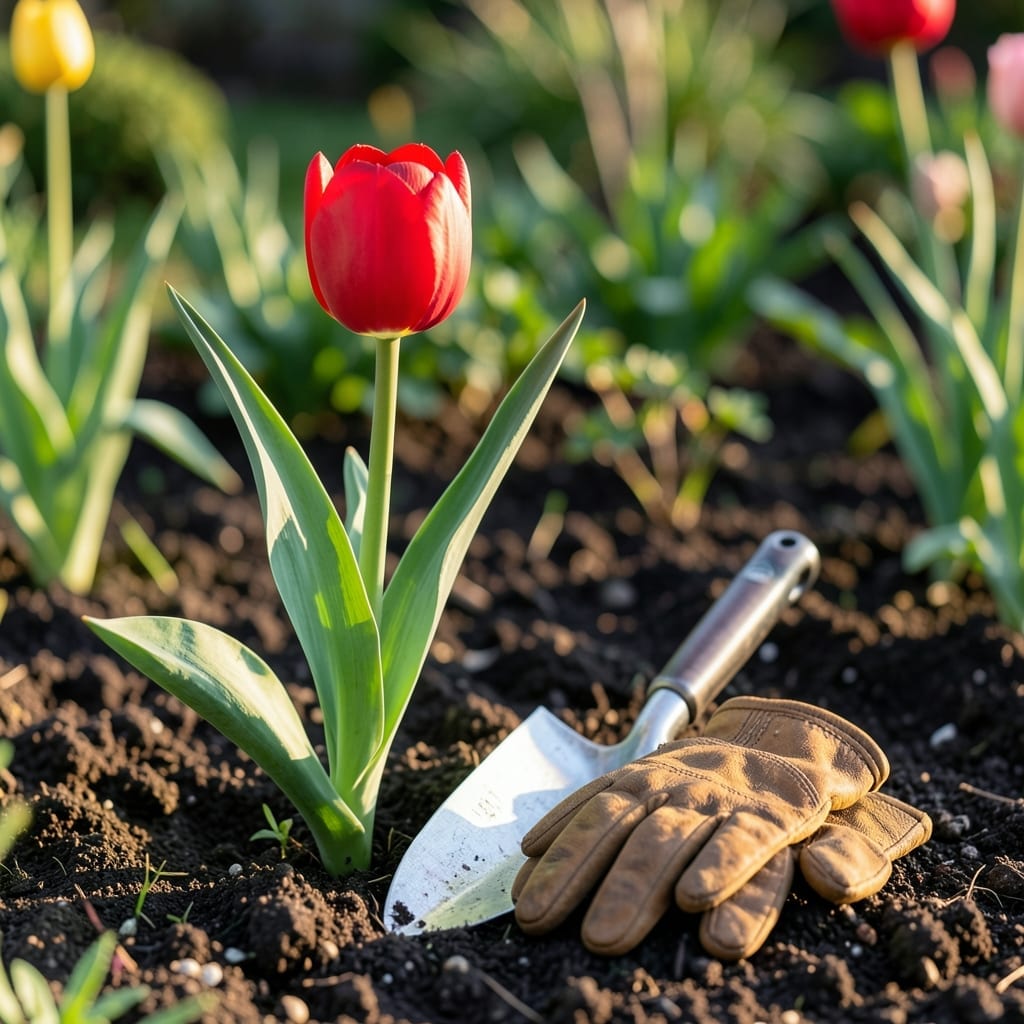
Timing is everything when planting Tulip bulbs in Washington State—plant too early and they may sprout prematurely, too late and they’ll miss their spring bloom.
Get the timing right, and you’ll enjoy vibrant 🌷 colors come March. The key is working with our unique climate in zone 8b.
I’ve tested different planting windows, and there’s a perfect fall sweet spot that ensures healthy root development before winter hits.
Discover exactly when to get those bulbs in the ground for the most stunning spring display in your Washington garden.
Washington State’s unique climate means your tulip planting timing depends on your exact location. In Western WA, the mild, wet falls require a slightly different approach than the colder Eastern regions. I’ve found that timing is everything for those vibrant spring blooms.
The ideal window is mid-October to November, when soil temperatures drop below 60°F. This gives bulbs 6-8 weeks to establish roots before the ground freezes, which is critical for spring success.
| Region | Best Planting Window | Key Consideration |
|---|---|---|
| Western WA | Mid-October to November | Avoid soggy soil |
| Eastern WA | Late September to October | Plant before hard frost |
In Western Washington, the mild maritime climate means you can plant a bit later. The cool, moist soil in October and November is perfect for root growth without risking premature sprouting.
For Eastern Washington, where winters are colder, aim for late September to early October. This ensures bulbs establish roots before the first hard frost, which typically arrives in mid-November.
Soil temperature is your best guide. Use a soil thermometer to check—when it reads below 60°F at a 6-inch depth, it’s time to plant. This usually aligns with nighttime air temperatures consistently in the 40s°F.
If you plant too early in warm soil, bulbs may sprout prematurely and be damaged by winter cold. Too late, and they won’t have enough time to develop strong roots before the ground freezes, leading to weak or no blooms in spring.
Washington’s USDA zone 8b gives us a long growing season, but tulips need that cold period to trigger spring blooming. Planting in the right window ensures they get just enough chill without being harmed by extreme cold.
I always mark my calendar for mid-October in Seattle. By then, the summer heat has passed, and the soil is cooling down. If you’re in Spokane, move that up to late September to account for the earlier frost.
Remember, well-draining soil is non-negotiable, especially in our wet falls. Tulip bulbs will rot in waterlogged soil, so amend heavy clay with compost or plant in raised beds if needed.
With the right timing and soil prep, you’ll be rewarded with a spectacular spring display of tulips that will make your neighbors jealous 🌷
Planting tulip bulbs in Washington requires careful timing and preparation. Our wet fall and mild winters create unique conditions that demand attention to detail for the best results.
I’ve found that October to November is ideal, but the process itself matters just as much as the timing. Proper soil prep and planting depth ensure your bulbs thrive through the season.
| Task | Action |
|---|---|
| Soil Prep | Loosen soil 12 inches deep |
| Bulb Depth | 6-8 inches deep, pointy end up |
| Spacing | 4-6 inches apart for full blooms |
| Post-Care | Water once then mulch lightly |
Start by loosening the soil to 12 inches deep—this helps roots establish before winter. Washington’s clay-heavy soils benefit from compost mixed in for better drainage.
Place each tulip bulb 6-8 inches deep with the pointy end facing up. This depth protects them from frost while allowing roots to anchor properly.
Space bulbs 4-6 inches apart for a full, lush display. If you’re planting in clusters, dig a wider hole and place multiple bulbs together for a natural look.
After planting, water thoroughly to settle the soil and encourage root growth. Then, add a light mulch layer to insulate against temperature swings common in Washington winters.
This method ensures your tulips will emerge strong and vibrant when spring arrives 🌷