
Beautiful Plants For Your Interior
Beautiful Plants For Your Interior
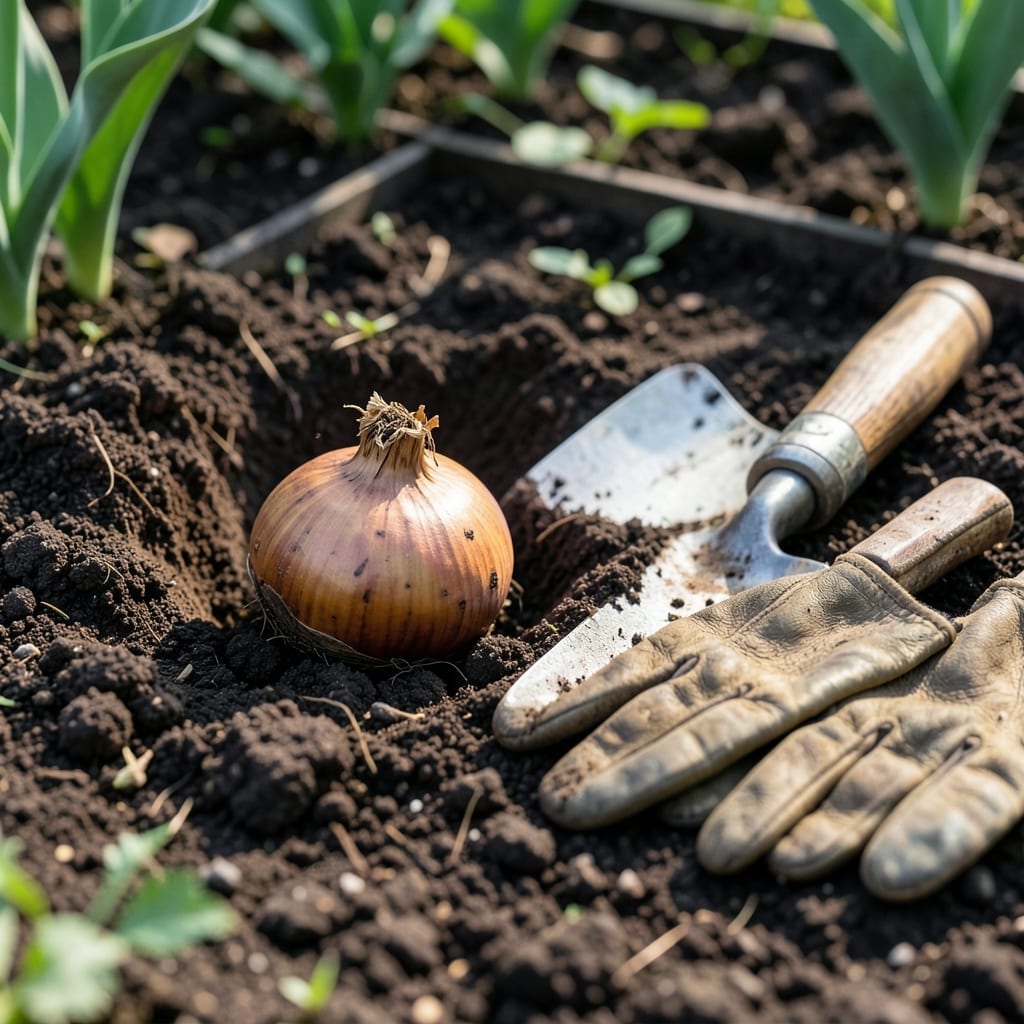
Timing is everything when planting Tulip 🌷 bulbs in Utah—plant too early and they may sprout prematurely, too late and you’ll miss those vibrant spring blooms.
Utah’s unique climate in zones 5b-7a demands precision. The fall window is your golden opportunity to get it right, but knowing exactly when can feel like guessing.
I’ve tested the ideal timing through multiple seasons, and what I’ve learned will save you from common mistakes. The secret lies in Utah’s first frost and soil temperature cues.
Discover the precise fall timing that ensures your Tulips thrive and burst into color come spring. Let’s get your garden ready for success.
Getting tulips to thrive in Utah starts with perfect timing. The state’s USDA zones 5b-7a mean fall planting is non-negotiable for spring blooms. I’ve found that 6-8 weeks before the first hard frost is the sweet spot.
In most Utah areas, that means mid-September to mid-October. This schedule lets bulbs establish roots before winter without risking premature sprouting. Soil temperature below 60°F is crucial for proper chilling.
| Utah Region | Planting Window | First Frost |
|---|---|---|
| Northern Utah | Sept 15 – Oct 10 | Mid-October |
| Southern Utah | Oct 1 – Oct 31 | Early November |
| High Elevation | Aug 15 – Sept 15 | Late September |
Northern Utah gardeners should aim for September 15 to October 10. The Wasatch Front typically sees its first frost around October 10, making early October the absolute deadline. I always check the 10-day forecast to avoid sudden cold snaps.
Southern Utah’s milder climate allows planting until October 31. St. George and similar areas can even push into early November if temperatures stay mild. Soil thermometers are worth the investment for precision.
For high elevation areas like Park City or Heber Valley, start earlier. August 15 to September 15 works best as frost arrives sooner at altitude. These areas often get their first frost in late September.
Remember that bulb quality matters as much as timing. Choose firm, plump bulbs and plant them 6-8 inches deep with the pointy end up. This depth protects against Utah’s temperature swings.
After planting, I recommend a 2-3 inch mulch layer to insulate the soil. Straw or shredded leaves work well. This extra protection helps bulbs survive Utah’s freeze-thaw cycles that can push bulbs out of the ground.
Water thoroughly after planting to help roots establish. Then, reduce watering as winter approaches. The bulbs need moisture but not soggy soil as they enter dormancy.
By following these Utah-specific timelines, you’ll give your tulips the best chance to develop strong root systems before winter. Come spring, you’ll be rewarded with vibrant blooms that make the effort worthwhile. 🌷
Planting tulip bulbs in Utah requires careful timing and preparation. I always start by checking the soil temperature—it should be below 60°F to prevent premature sprouting. This usually aligns with late September to early October for most of the state.
Utah’s dry climate and variable elevations mean you’ll need to adjust slightly. Northern Utah gardeners should aim for early fall planting, while southern regions can wait a bit longer. Always plant 6-8 weeks before the first hard frost for best results.
I’ve found that well-draining soil is critical in Utah. Tulips hate soggy roots, so amend heavy clay with sand or compost. If your soil is sandy, mix in some organic matter to retain moisture without waterlogging.
After planting, water thoroughly to help roots establish before winter. I recommend 1 inch of water per week until the ground freezes. This ensures bulbs develop strong root systems for spring growth.
For extra protection against Utah’s cold snaps, apply a 2-3 inch layer of mulch. Straw or shredded leaves work well. This keeps soil temperature stable and prevents frost heaving, which can push bulbs out of the ground.
Finally, mark your planting spots! It’s easy to forget where bulbs are, and you don’t want to accidentally dig them up during spring garden prep. I use small wooden stakes or plant winter annuals like pansies as living markers. 🌷