
Beautiful Plants For Your Interior
Beautiful Plants For Your Interior
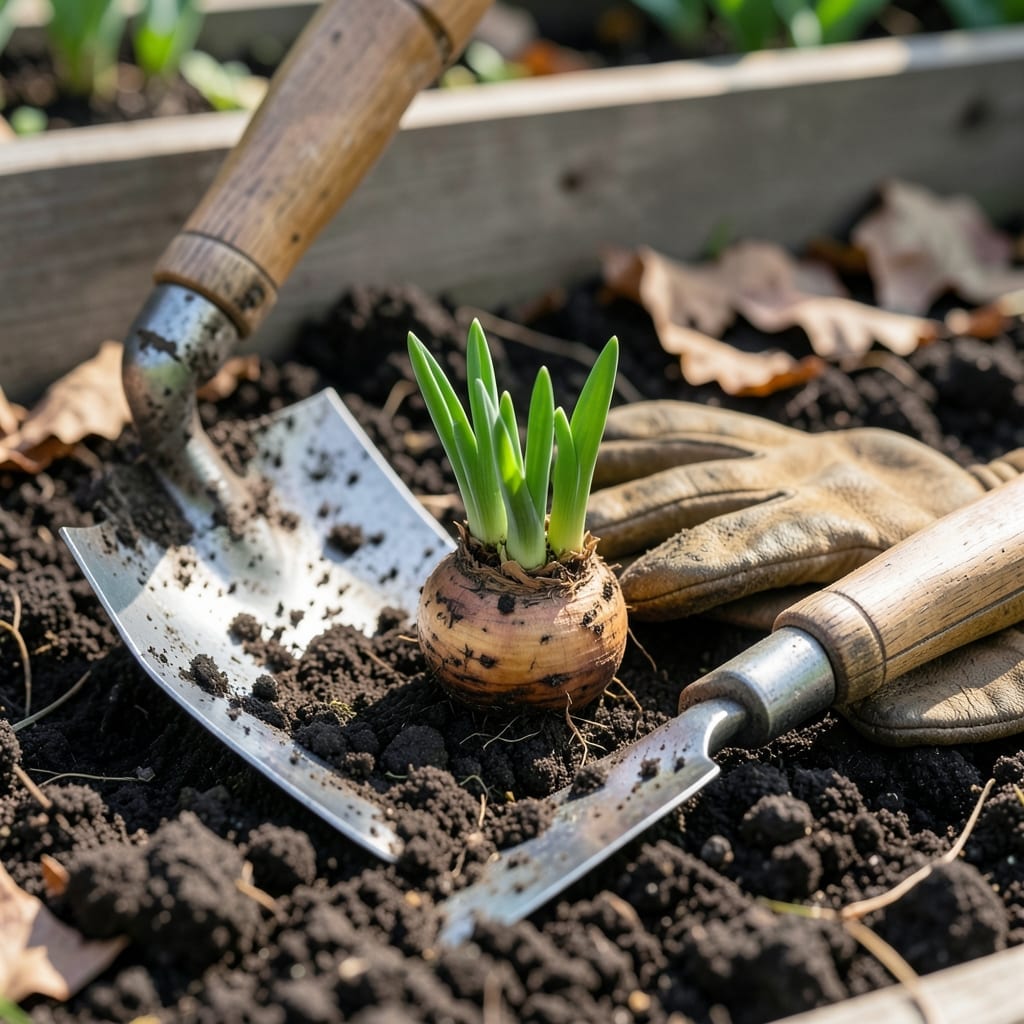
Timing is everything when you’re planting 🌷Tulip bulbs in Oklahoma. Get it wrong, and you might end up with lackluster blooms—or none at all.
Our state’s unique Zone 7a climate means you’ve got a specific window to hit. Plant too early, and warm soil can cause problems. Wait too long, and frost might beat your bulbs to the punch.
That’s why I’m sharing the exact fall timing that works best for Oklahoma gardeners. It’s all about giving your tulips the right start before winter sets in.
Discover the simple but critical timing that ensures vibrant spring color in your garden. Let’s get it right the first time.
In Oklahoma’s Zone 7, timing your tulip bulb planting is key to vibrant spring blooms. I always aim for mid-October to mid-November, giving bulbs enough time to establish roots before winter. This window ensures they experience the necessary cold period for spring flowering.
The magic happens when soil temperatures drop below 60°F. This typically occurs after our first light frost. I’ve found that planting 6-8 weeks before the first hard frost (around November 1st) gives the best results, as it allows for proper root development.
| Stage | Timing | Key Action |
|---|---|---|
| Ideal Window | Mid-October to mid-November | Plant bulbs |
| Soil Temp | Below 60°F | Check with thermometer |
| Before Frost | 6-8 weeks prior | Establish roots |
| First Hard Frost | ~November 1 | Avoid planting after |
| Latest Safe Date | Early December | Only if soil workable |
I recommend using a soil thermometer to confirm conditions. If you plant too early in warm soil, bulbs may sprout prematurely. Too late, and they won’t establish roots before freezing. Early December can work if the ground isn’t frozen, but it’s riskier.
Oklahoma’s weather can be unpredictable. In warmer years, I’ve successfully planted as late as early December, but this is pushing it. The bulbs need that cold period to break dormancy, so earlier is always safer in our climate.
For the best results, I prepare my beds in early fall. This gives me time to amend the soil with compost and check drainage. Tulips hate soggy feet, so I always ensure the planting area has good drainage to prevent rot.
I’ve noticed that bulbs planted in full sun locations perform best in Oklahoma. They need at least 6-8 hours of daily sunlight to produce those gorgeous spring blooms. Partial shade works, but you might get fewer flowers.
Remember that bigger bulbs (12cm+) produce better flowers. When selecting bulbs, I always choose firm, plump ones without soft spots. These will give you the most vibrant spring display in your Oklahoma garden.
After planting, I add a 2-3 inch layer of mulch to insulate the soil. This helps maintain consistent temperatures and protects against our occasional winter temperature swings. Straw or shredded leaves work well.
Finally, mark your planting spots! I use garden flags or small stakes to remember where my tulips are. This prevents accidental digging in spring when you’re eager to start planting other flowers. ☀️
Planting tulip bulbs in Oklahoma requires careful timing and preparation. I always start by choosing a well-draining location with plenty of sunlight, as tulips thrive in 6-8 hours of sun daily.
For best results, plant your bulbs in October or November, about 6-8 weeks before the first hard frost. This gives the roots time to establish before winter sets in.
In Oklahoma’s Zone 7 climate, soil temperature is key. I wait until the soil drops below 60°F to prevent premature sprouting. A soil thermometer can help you time it perfectly.
After planting, I water the bulbs thoroughly once to settle the soil. Then I hold off on watering again unless we have an unusually dry fall. Overwatering can cause bulbs to rot.
For extra protection against Oklahoma’s temperature swings, I add a 2-3 inch layer of mulch. This helps maintain consistent soil temperatures and retains moisture.
Remember, tulips are perennial in Oklahoma if given proper care. Each spring, I’m rewarded with vibrant blooms that make the fall effort worthwhile. 🌷