
Beautiful Plants For Your Interior
Beautiful Plants For Your Interior
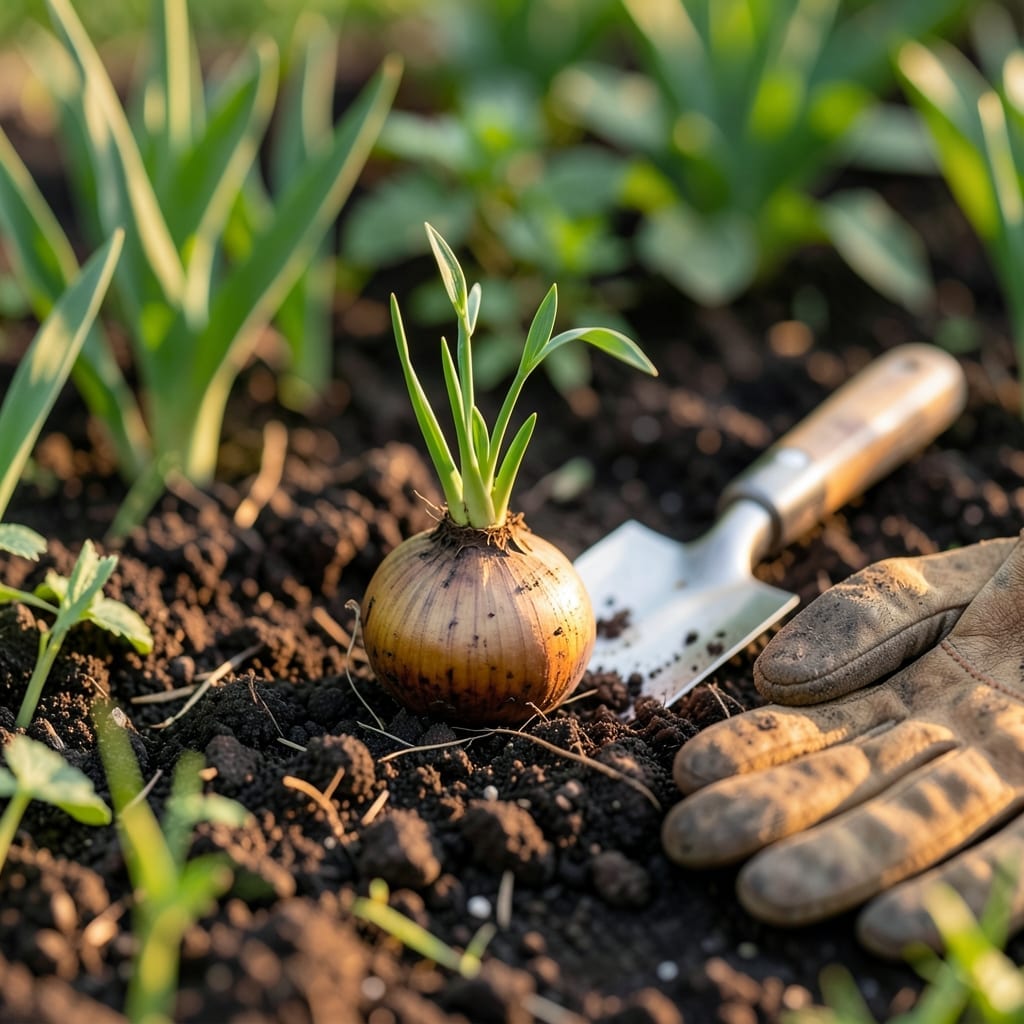
Timing is everything when planting 🌷 Tulip bulbs in Kentucky—plant too early and they may sprout prematurely; too late and they’ll miss their spring bloom.
This guide reveals the perfect fall window for vibrant Kentucky tulips next season. I’ve tested various timing strategies in zones 6b-7a to find what works best.
You’ll discover how to align your planting with the first hard frost and soil temperature drops. These insights come from years of hands-on experience in Kentucky gardens.
Let me show you exactly when to get those bulbs in the ground for stunning spring color that will make your neighbors jealous.
Kentucky’s USDA zones 6-7 create a unique window for planting tulip bulbs. The key is timing it right before the first hard frost. I’ve found that mid-October to early November works best for most of the state.
Soil temperature is critical—you want it below 60°F to prevent premature sprouting. Tulips need 6-8 weeks to establish roots before the ground freezes, so timing is everything for vibrant spring blooms. 🌷
| Requirement | Specification |
|---|---|
| USDA Zones | 6b-7a |
| Ideal Months | October-November |
| Soil Temp | Below 60°F |
| Root Time | 6-8 weeks |
| First Frost | Mid-October |
In eastern Kentucky, where winters arrive earlier, aim for early October planting. The western region can often push planting to early November thanks to its milder climate.
I always check the 10-day forecast before planting. If nighttime temperatures are consistently in the 40s, it’s a good sign to get those bulbs in the ground. This ensures they’ll develop strong roots before winter dormancy.
Kentucky’s clay soil can be tricky, so I recommend amending with compost or sand to improve drainage. Tulips hate soggy feet, and well-draining soil prevents rot during our wet winters.
The 6-8 inch planting depth is non-negotiable. Shallow planting leads to frost damage, while too-deep bulbs may struggle to emerge. I use a measuring stick to ensure consistency across my garden beds.
For best results, plant tulips in a location with full sun to partial shade. They’ll need at least 6 hours of sunlight daily once spring arrives to fuel those stunning blooms.
Don’t forget to mulch after planting! A 2-3 inch layer of straw or shredded leaves insulates the soil, maintaining consistent temperatures and protecting your bulbs from freeze-thaw cycles. 🌿
If you’re in urban areas like Louisville or Lexington, the heat island effect might delay your planting by a week or two. Always prioritize soil temperature over calendar dates for the best outcome.
Finally, mark your planting spots. It’s easy to forget where you’ve placed bulbs, and accidental digging in spring can ruin your tulip display before it even begins. ✂️
Planting tulip bulbs in Kentucky is all about preparation. I always start by selecting a spot with well-draining soil and full sun exposure, as tulips thrive in these conditions. Kentucky’s clay-heavy soil can be tricky, so I amend it with compost for better drainage.
Before digging, I check the soil pH—tulips prefer a range of 6.0 to 7.0. If the pH is off, I adjust it with lime or sulfur. This step ensures my bulbs get the best start possible.
After planting, I give my tulips a deep watering to help the roots establish. Kentucky’s fall weather can be unpredictable, so I make sure the soil stays moist but not soggy. This balance is key for healthy bulb development.
I also apply a 2-inch layer of mulch to protect the bulbs from freezing temperatures. This is especially important in Kentucky, where winter temps can dip below freezing. The mulch acts like a cozy blanket for my tulips.
Finally, I mark the planting area with garden stakes or labels. This helps me avoid accidentally digging up the bulbs while working in the garden. It’s a simple step that saves a lot of heartache later on.
With these steps, I’m confident my tulips will bloom beautifully come spring. Kentucky’s climate is perfect for tulips when you get the timing and care just right 🌷