
Beautiful Plants For Your Interior
Beautiful Plants For Your Interior
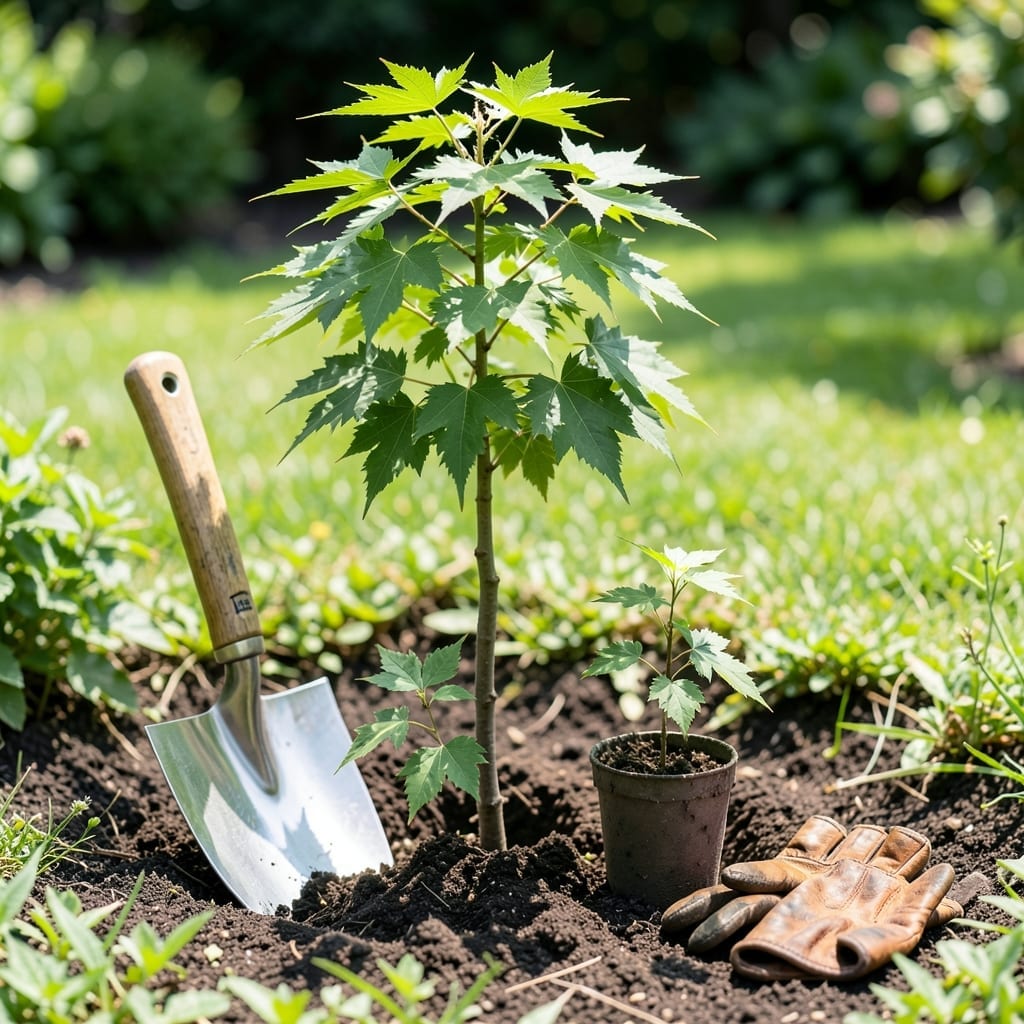
Timing is everything when planting 🌳 Tree in Zone 5—plant too early or too late, and you risk stunted growth or even failure. The difference between thriving trees and struggling ones often comes down to just a few weeks.
In this climate, your planting window is more precise than you might think. The right timing helps your Tree establish strong roots before extreme weather hits, whether that’s summer heat or winter frosts.
I’ve seen firsthand how choosing the optimal season can transform your results. Whether you’re planting deciduous or evergreen varieties, the same principles apply for success in Zone 5.
Discover the exact months that give your Tree the best start for healthy growth and long-term survival in this unique growing zone.
In USDA Zone 5, timing your tree planting is critical for root establishment and long-term health. The ideal windows are early spring and early fall, when temperatures are mild and stress on new trees is minimal.
Spring planting should occur between April and May, after the last frost date (typically April 15). This allows roots to grow before summer heat arrives.
| Season | Ideal Months | Soil Temperature | Tree Type Suitability |
|---|---|---|---|
| Spring | April-May | 50-60°F | Deciduous, Evergreen |
| Fall | September-October | 55-65°F | Deciduous, Evergreen |
Fall planting from September to October is equally effective, giving roots time to establish before winter dormancy. The first frost in Zone 5 usually hits around October 15, so aim to finish planting at least 4-6 weeks beforehand.
Deciduous trees like maples and oaks thrive when planted in either season. Evergreens, such as spruce or pine, prefer early fall to avoid winter burn from late-season planting.
Avoid planting during summer due to heat stress and drought conditions, which can shock young trees. Similarly, winter planting is risky because frozen soil prevents proper root growth.
For best results, plant on a cloudy day to reduce transplant shock. Water deeply after planting and add 2-3 inches of mulch to retain moisture and insulate roots.
If you’re planting bare-root trees, spring is your only option, as they require dormant season handling. Container-grown trees offer more flexibility but still benefit from the mild temperatures of spring or fall.
Remember that soil preparation is key. Test your soil’s pH and drainage before planting. Zone 5 soils often tend toward clay-heavy or sandy textures, so amending with organic matter improves success rates.
Finally, monitor weather forecasts closely. A sudden late frost in spring or early freeze in fall can damage new plantings. Using tree wraps or burlap barriers can provide extra protection during these transitional periods. 🌳
Even experienced gardeners make costly mistakes when planting trees in Zone 5. The most common error is planting during summer heat, which stresses young trees and hinders root growth. I’ve seen too many new saplings struggle when planted in July or August.
Another frequent misstep is ignoring the frost depth in fall. Planting too close to the first frost (October 15) leaves roots vulnerable. Always aim to finish 4-6 weeks before this date to allow proper establishment.
⚠️ Zone 5 Planting Pitfalls
Avoid summer planting due to heat stress and winter planting due to frozen soil. Late fall planting risks root damage from early frosts.
Spring plantings can fail if done too early. Planting before the last frost (April 15) exposes young trees to cold damage. Always check that the soil is workable and not frozen before starting.
Bare-root trees are particularly sensitive to timing. Planting them outside their dormant season can be disastrous. Stick to early spring for these varieties to ensure they have the best chance to establish.
Don’t overlook soil conditions. Planting in waterlogged soil after heavy rains can suffocate roots. Similarly, dry, compacted soil makes it hard for roots to spread. Always test soil drainage and moisture before planting.
Finally, neglecting aftercare is a common mistake. New trees need consistent watering (about 1-2 inches per week) and mulching to retain moisture. Skipping these steps can lead to transplant shock or even death. 🌳